



AD
4-Acetoxybenzoic acid(CAS: 2345-34-8)
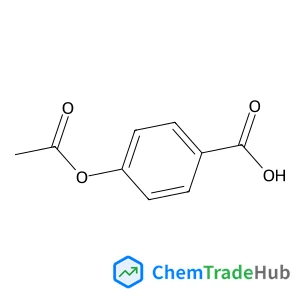
CAS Number
Related Products
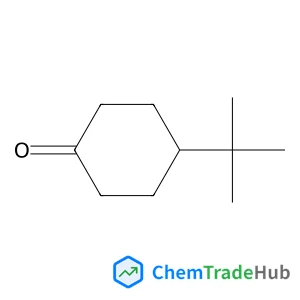
4-(2-Methyl-2-propanyl)cyclohexanone
CAS Number: 98-53-3
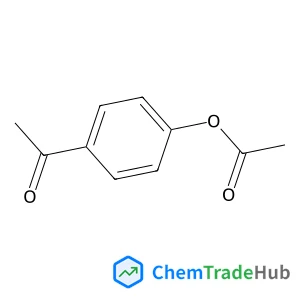
4-Acetylphenyl acetate
CAS Number: 13031-43-1
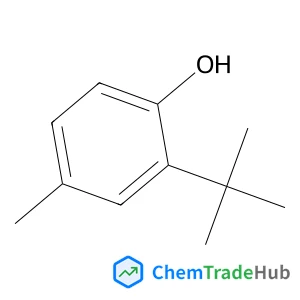
4-Methyl-2-(2-methyl-2-propanyl)phenol
CAS Number: 2409-55-4
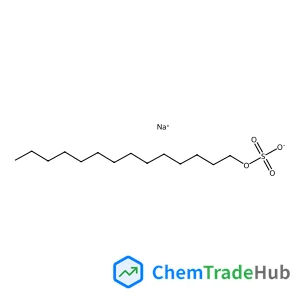
sodium tetradecyl sulfate
CAS Number: 1191-50-0
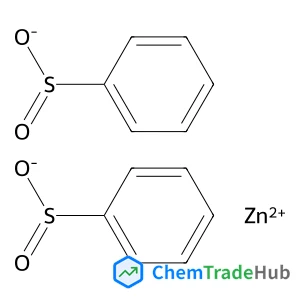
Zinc benzenesulfinate dihydrate
CAS Number: 24308-84-7
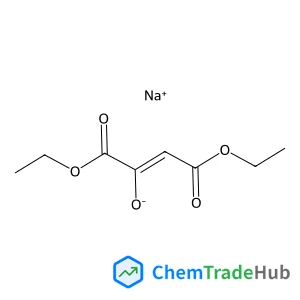
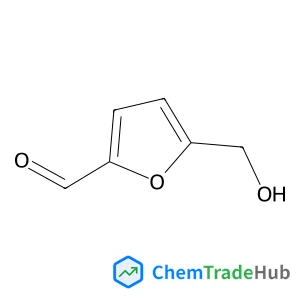
5-(Hydroxymethyl)-2-furaldehyde
CAS Number: 67-47-0
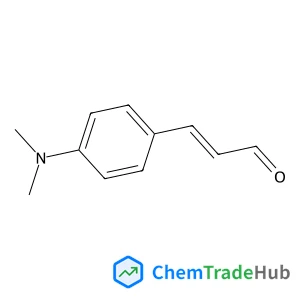
4-Dimethylaminocinnamaldehyde
CAS Number: 6203-18-5
Other Suppliers for 4-Acetoxybenzoic acid





Basic Information
Molecular Formula
C9H8O4
Molecular Weight
180.16 g/mol
Physical Properties
Melting Point
190.0 to 196.0 deg-C
Boiling Point
272.96°C (rough estimate)
Flash Point
133.2 °C
Chemical Identifiers
SMILES
CC(=O)OC1=CC=C(C=C1)C(=O)O
InChIKey
GDBUZIKSJGRBJP-UHFFFAOYSA-N
Database References
MDL Number
MFCD00002540
Beilstein Registry Number
1871997
FAQ
4-Acetoxybenzoic acid (CAS: 2345-34-8) is subject to various regulatory guidelines including GHS classification, REACH regulations, and FDA/EPA requirements. It is classified as a hazardous chemical based on its physical and chemical properties, which necessitates adherence to specific safety data sheet (SDS) and material safety data sheet (MSDS) provisions. Additionally, manufacturers and importers must comply with REACH for registration, evaluation, authorization, and restriction. In the US, EPA regulations under the Toxic Substances Control Act (TSCA) also apply, ensuring that the compound is handled in an environmentally responsible manner.
While 4-Acetoxybenzoic acid (CAS: 2345-34-8) is a well-established compound, there are alternative reagents and synthetic approaches available. For instance, 2-Acetylphenol can serve as a precursor in some reactions due to its similar functional groups. Other alternatives include using isomers like 4-Hydroxybenzoic acid or employing different acid derivatives. These alternatives can offer similar reactivity but with varying degrees of toxicity and environmental impact.
The market for 4-Acetoxybenzoic acid (CAS: 2345-34-8) is driven by its applications in pharmaceuticals, agrochemicals, and analytical chemistry. Recent research trends focus on its use in developing new drug candidates and as an intermediate in synthetic pathways. Market trends indicate increasing demand due to its role in synthesizing compounds with therapeutic potential. Additionally, there is a growing emphasis on sustainable and eco-friendly chemical processes, which could influence the development of alternative, less hazardous compounds or production methods.
Waste containing 4-Acetoxybenzoic acid (CAS: 2345-34-8) should be managed according to strict environmental and safety protocols. Collection and storage should be done in properly labeled containers to prevent contamination. Incineration is a common method of disposal, but it should be performed in specialized facilities to minimize air pollution. Alternatively, professional waste disposal services can handle the waste through chemical waste treatment and disposal methods that comply with environmental regulations. Adequate protective measures, such as personal protective equipment (PPE), must be used during handling to ensure worker safety and prevent environmental contamination.
Safety Notice
Please verify product specifications and safety data before use. Contact the supplier for detailed safety information.
Always follow proper handling procedures
Contact Information
3127859172@qq.com