



AD
Sodium 4-amino-2-hydroxybenzoate(CAS: 133-10-8)
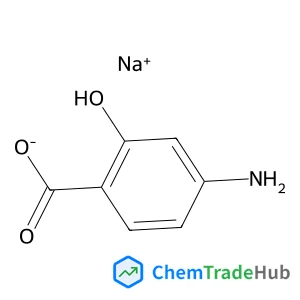
CAS Number
Related Products
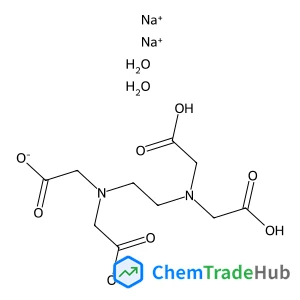
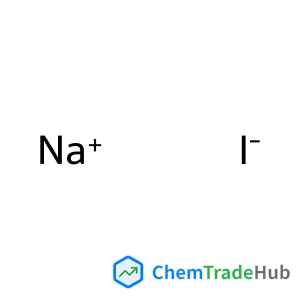
Sodium iodide
CAS Number: 7681-82-5
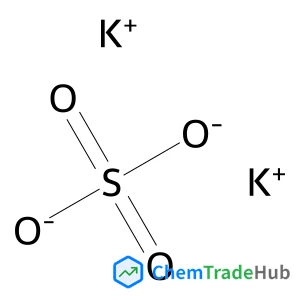
Dipotassium sulfate
CAS Number: 7778-80-5
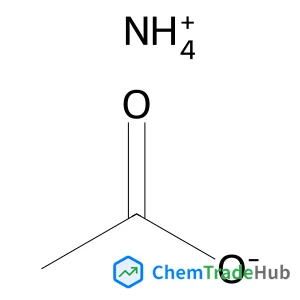
Acetic acid ammoniate (1:1)
CAS Number: 631-61-8
![disodium [oxido(oxoboranyloxy)boranyl]oxy-oxoboranyloxy-borinate pentahydrate](https://static.chemtradehub.com/structs/121/12179-04-3-137e.webp)
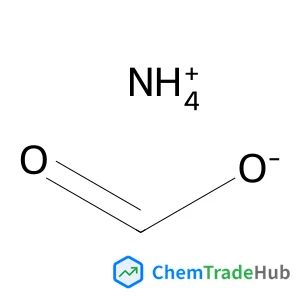
Formic acid ammoniate (1:1)
CAS Number: 540-69-2
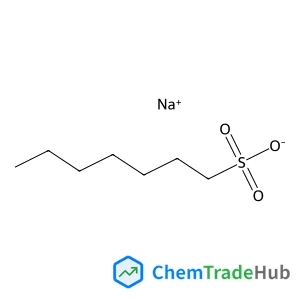
Sodium 1-heptanesulfonate
CAS Number: 22767-50-6
![2-[(2-Aminoethyl)amino]ethanol](https://static.chemtradehub.com/structs/111/111-41-1-83e1.webp)
2-[(2-Aminoethyl)amino]ethanol
CAS Number: 111-41-1
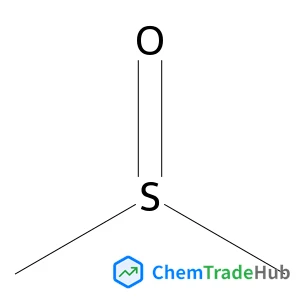
(Methylsulfinyl)methane
CAS Number: 67-68-5
Other Suppliers for Sodium 4-amino-2-hydroxybenzoate



Basic Information
Molecular Formula
C7H6NNaO3
Molecular Weight
175.12 g/mol
Physical Properties
Melting Point
150-151 deg C, with effervescence
Boiling Point
380.8 °C at 760 mmHg
Density
1.491
Flash Point
184.1 °C
Chemical Identifiers
SMILES
C1=CC(=C(C=C1N)O)C(=O)[O-].[Na+]
InChIKey
FVVDKUPCWXUVNP-UHFFFAOYSA-M
Database References
MDL Number
MFCD00064392
FAQ
Sodium 4-amino-2-hydroxybenzoate (CAS: 133-10-8) is a white crystalline solid with a molecular weight of approximately 220.14 g/mol. It has a pKa of about 4.8 and is slightly soluble in water. The compound is reactive and can undergo hydrolysis and substitution reactions. It has a melting point of 233-235°C and a boiling point of around 340°C under reduced pressure.
Sodium 4-amino-2-hydroxybenzoate is typically synthesized by reacting 4-amino-2-hydroxybenzoic acid with sodium hydroxide. The reaction is carried out in an aqueous medium, and the product is isolated by crystallization. Commonly used methods include direct neutralization and ion exchange techniques, yielding a product with high selectivity and good yield.
Sodium 4-amino-2-hydroxybenzoate (CAS: 133-10-8) is used in the pharmaceutical industry as a precursor for the synthesis of various medicinals. It is also utilized in the polymer industry for the modification of certain polymers and in the production of sensors and semiconductors due to its functional groups.
When handling Sodium 4-amino-2-hydroxybenzoate (CAS: 133-10-8), it is important to wear appropriate personal protective equipment (PPE) such as gloves, goggles, and a lab coat. The substance should be handled in a well-ventilated area or within a fume hood to avoid inhalation. Spills should be cleaned up using appropriate materials and procedures as outlined in the Safety Data Sheet (SDS). Ensure proper storage and disposal according to regulatory requirements.
Safety Notice
Please verify product specifications and safety data before use. Contact the supplier for detailed safety information.
Always follow proper handling procedures
Contact Information
Contact Person
Wu Hua