



AD
N-(2,4-Dimethylphenyl)-3-oxobutanamide(CAS: 97-36-9)
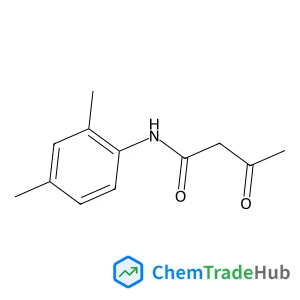
CAS Number
Related Products
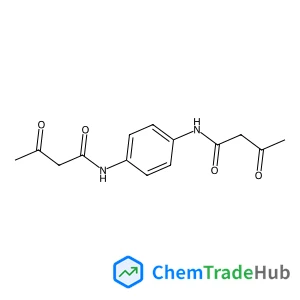
N,N'-1,4-Phenylenebis(3-oxobutanamide)
CAS Number: 24731-73-5

Diethyl methylphosphonate
CAS Number: 683-08-9
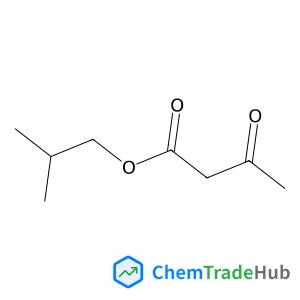
Isobutyl 3-oxobutanoate
CAS Number: 7779-75-1
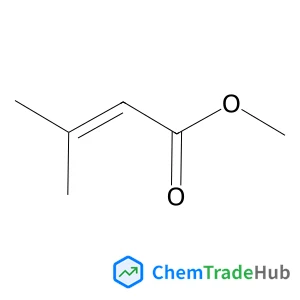
Methyl 3-methyl-2-butenoate
CAS Number: 924-50-5
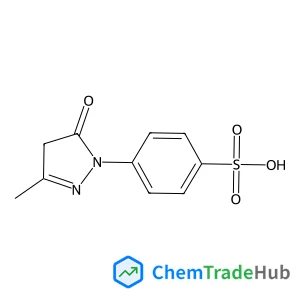
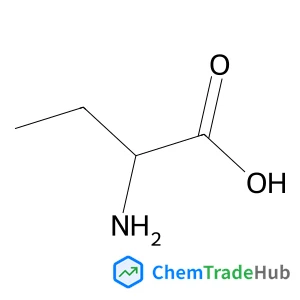
2-Aminobutyric acid
CAS Number: 80-60-4
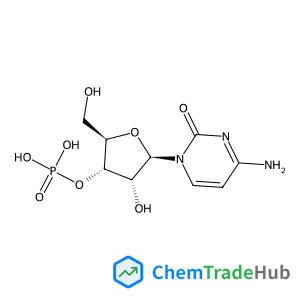
3'-Cytidylic acid
CAS Number: 84-52-6
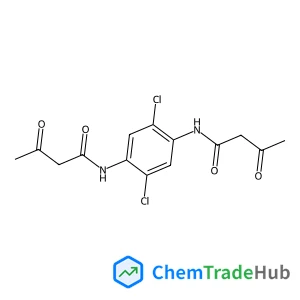
Other Suppliers for N-(2,4-Dimethylphenyl)-3-oxobutanamide







Basic Information
Molecular Formula
C12H15NO2
Molecular Weight
205.26 g/mol
Physical Properties
Melting Point
88-91 ºC
Boiling Point
343.93°C (rough estimate)
Density
1.24
Flash Point
171 °C
Chemical Identifiers
SMILES
CC1=CC(=C(C=C1)NC(=O)CC(=O)C)C
InChIKey
HGVIAKXYAZRSEG-UHFFFAOYSA-N
Database References
MDL Number
MFCD00039836
FAQ
N-(2,4-Dimethylphenyl)-3-oxobutanamide (CAS: 97-36-9) is an organic compound with the chemical formula C14H14O3N. It is a substituted amide derived from butanoic acid and 2,4-dimethylphenylamine. The compound is typically a solid at room temperature and has moderate solubility in organic solvents. It exhibits structural features common to many pharmaceutical intermediates.
N-(2,4-Dimethylphenyl)-3-oxobutanamide (CAS: 97-36-9) is primarily used as a pharmaceutical intermediate in the synthesis of various drugs. It may also find applications in chemical research for developing new compounds and in industrial processes. Its unique chemical structure makes it relevant for the production of derivatives with potential therapeutic uses.
N-(2,4-Dimethylphenyl)-3-oxobutanamide (CAS: 97-36-9) is generally considered safe when handled properly. However, as with many chemical compounds, it should be treated with caution. Protective measures such as gloves, goggles, and a well-ventilated area are recommended. It is important to follow safety standards and guidelines to minimize exposure and ensure safe handling.
N-(2,4-Dimethylphenyl)-3-oxobutanamide (CAS: 97-36-9) should be stored in a cool, dry, and dark place to maintain its stability. It is best kept in a sealed container away from moisture and air. Storage at temperatures below 25°C is recommended to prevent degradation. Avoid exposure to high humidity and direct light to ensure long-term integrity.
Safety Notice
Please verify product specifications and safety data before use. Contact the supplier for detailed safety information.
Always follow proper handling procedures
Contact Information
Contact Person
Wang Dasheng