



AD
2-(3,4-Dichlorophenoxy)-N,N-diethylethanamine(CAS: 65202-07-5)
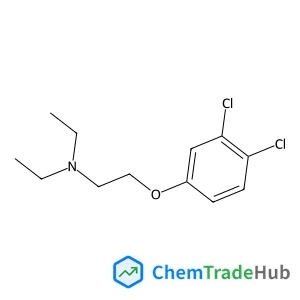
CAS Number
Related Products
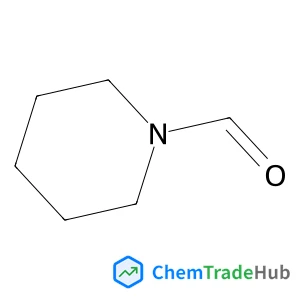
1-Piperidinecarbaldehyde
CAS Number: 2591-86-8
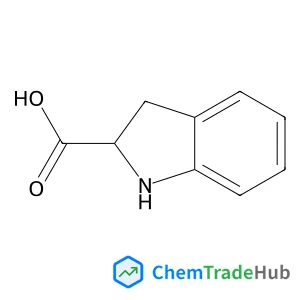
(2S)-2-Indolinecarboxylic acid
CAS Number: 79815-20-6
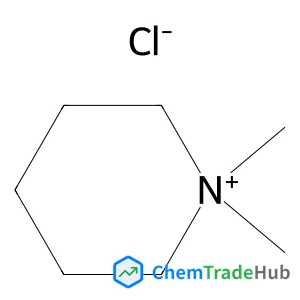
1,1-Dimethylpiperidinium chloride
CAS Number: 24307-26-4
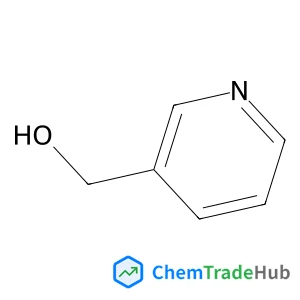
3-Pyridinylmethanol
CAS Number: 100-55-0
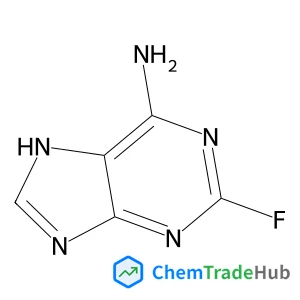
2-Fluoro-7H-purin-6-amine
CAS Number: 700-49-2
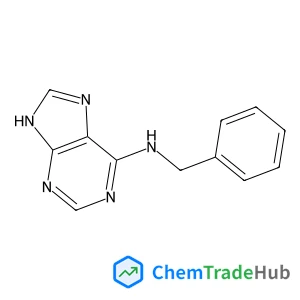
N-Benzyl-9H-purin-6-amine
CAS Number: 1214-39-7
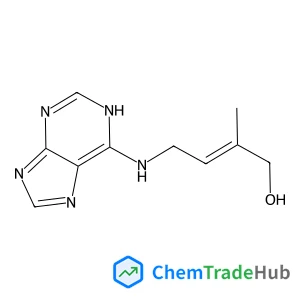
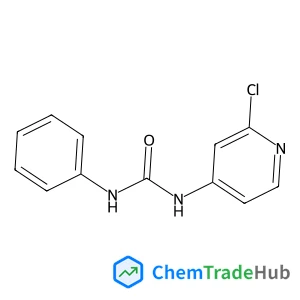
1-(2-Chloro-4-pyridinyl)-3-phenylurea
CAS Number: 68157-60-8
Other Suppliers for 2-(3,4-Dichlorophenoxy)-N,N-diethylethanamine


Basic Information
Molecular Formula
C12H17Cl2NO
Molecular Weight
262.18 g/mol
Physical Properties
Boiling Point
332.9 °C at 760 mmHg
Density
1.154
Flash Point
332.9 °C at 760 mmHg
Chemical Identifiers
SMILES
CCN(CC)CCOC1=CC(=C(C=C1)Cl)Cl
InChIKey
LOVYCUYJRWLTSU-UHFFFAOYSA-N
Database References
MDL Number
MFCD09838952
FAQ
What regulatory guidelines apply to 2-(3,4-Dichlorophenoxy)-N,N-diethylethanamine (CAS: 65202-07-5)?
2-(3,4-Dichlorophenoxy)-N,N-diethylethanamine (CAS: 65202-07-5) is regulated under the Globally Harmonized System (GHS) for classification and labeling of chemicals. It falls under REACH regulations in the European Union, which require registration and assessment of substances for safety. Additionally, the FDA and EPA in the United States may have specific requirements for its use and disposal, including reporting of significant releases and proper labeling.
Synthetic alternatives to 2-(3,4-Dichlorophenoxy)-N,N-diethylethanamine include other chlorophenoxy compounds or diethylethylamines, depending on the specific needs of the synthesis. Isomers and analogs such as 2-(4-chlorophenoxy)-N,N-diethylethanamine are also considered. Common substitutes include other alkylated amines or halogenated phenols, which may offer similar functionality with different reactivity profiles.
The market for 2-(3,4-Dichlorophenoxy)-N,N-diethylethanamine (CAS: 65202-07-5) is primarily driven by its use in pesticide formulations due to its herbicidal properties. Research trends are focusing on understanding its mechanisms of action and developing safer alternatives with similar efficacy. Market trends show a stable demand, with potential growth in agricultural applications as new formulations are developed.
Waste containing 2-(3,4-Dichlorophenoxy)-N,N-diethylethanamine (CAS: 65202-07-5) should be collected in a sealed, labeled container and disposed of according to local hazardous waste regulations. Incineration is a common method for disposal, and professional waste disposal services should be utilized. Environmental protection measures include ensuring no release into water or air, and following all safety guidelines to prevent exposure. Proper documentation of waste generation and disposal is essential for compliance with regulatory requirements.
Safety Notice
Please verify product specifications and safety data before use. Contact the supplier for detailed safety information.
Always follow proper handling procedures