



AD
Dibenzyl (E)-1,2-diazenedicarboxylate(CAS: 2449-05-0)
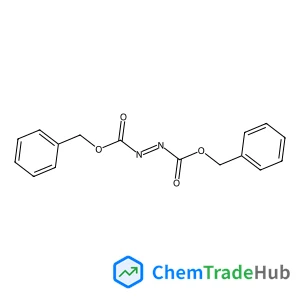
CAS Number
Related Products
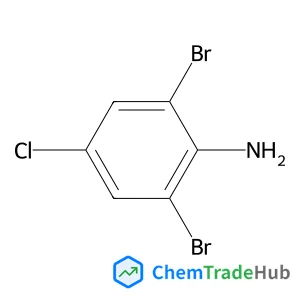
2,6-Dibromo-4-chloroaniline
CAS Number: 874-17-9
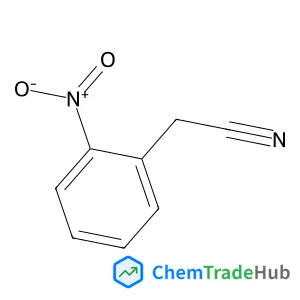
2-Nitrobenzylcyanide
CAS Number: 610-66-2
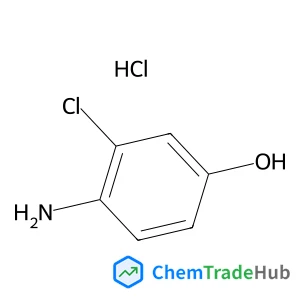
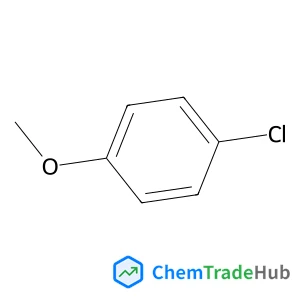
1-Chloro-4-methoxybenzene
CAS Number: 623-12-1
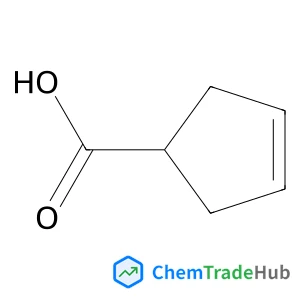
3-Cyclopentene-1-carboxylic acid
CAS Number: 7686-77-3

2-Bromo-6-chlorobenzoic acid
CAS Number: 93224-85-2

(2-Bromo-5-fluorophenyl)methanol
CAS Number: 202865-66-5

3,5-bis(Trifluoromethyl) Benzoic Acid
CAS Number: 725-89-3

1,1-Cyclobutanedicarboxylic acid
CAS Number: 5445-51-2
Other Suppliers for Dibenzyl (E)-1,2-diazenedicarboxylate





Basic Information
Molecular Formula
C16H14N2O4
Molecular Weight
298.3 g/mol
Physical Properties
Melting Point
43-47 °C (lit.)
Boiling Point
456.8℃ at 760 mmHg
Flash Point
>110 ºC
Chemical Identifiers
SMILES
C1=CC=C(C=C1)COC(=O)N=NC(=O)OCC2=CC=CC=C2
InChIKey
IRJKSAIGIYODAN-ISLYRVAYSA-N
Database References
MDL Number
MFCD00016737
Beilstein Registry Number
2298734
FAQ
Dibenzyl (E)-1,2-diazenedicarboxylate, also known as 1,2-bis(diazenyl)benzene, is a compound with the chemical formula C14H10N4O2. It is an organic compound with a diazo group attached to a benzene ring. The compound is a colorless solid with a pungent odor.
Dibenzyl (E)-1,2-diazenedicarboxylate is primarily used in the synthesis of organic compounds, as a reagent in chemical reactions, and in the preparation of other diazo compounds. It is also used in pharmaceuticals and as a precursor in the development of dyes and pigments.
Dibenzyl (E)-1,2-diazenedicarboxylate is generally considered safe for laboratory use when handled with proper precautions. However, it is toxic if ingested or inhaled. It is important to handle the compound in a well-ventilated area, wear appropriate personal protective equipment (PPE), and follow all safety guidelines. Exposure to skin or eyes should be avoided, and contact with food and water should be strictly prohibited.
Dibenzyl (E)-1,2-diazenedicarboxylate should be stored in a cool, dry place away from direct sunlight and heat sources. It should be kept in a tightly sealed container to protect it from moisture. The storage temperature should be below 25°C to ensure stability. Avoid storing in high humidity environments to prevent degradation. Handle with care to prevent spills or exposure to air, which can lead to decomposition.
Safety Notice
Please verify product specifications and safety data before use. Contact the supplier for detailed safety information.
Always follow proper handling procedures
Contact Information
sales@nastchem.com