



AD
(3-Cyanophenyl)boronic acid(CAS: 150255-96-2)
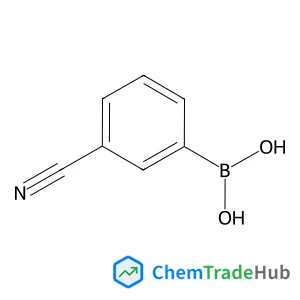
CAS Number
Related Products
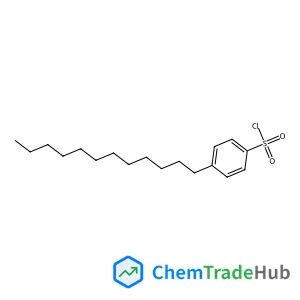
p-Dodecylbenzenesulphonyl chloride
CAS Number: 52499-14-6
![2-[(2S)-2-Piperidinyl]ethanol](https://static.chemtradehub.com/structs/103/103639-57-2-06e9.webp)
2-[(2S)-2-Piperidinyl]ethanol
CAS Number: 103639-57-2
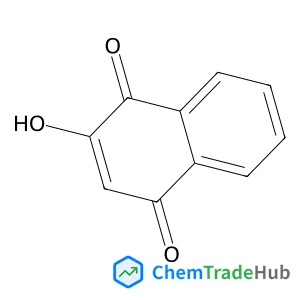
2-Hydroxy-1,4-naphthoquinone
CAS Number: 83-72-7
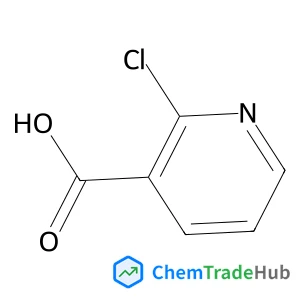
2-Chloronicotinic acid
CAS Number: 2942-59-8
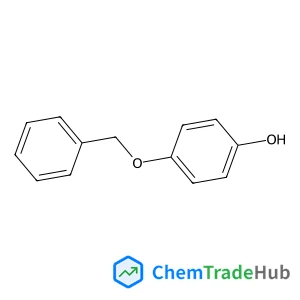
4-(Benzyloxy)phenol
CAS Number: 103-16-2
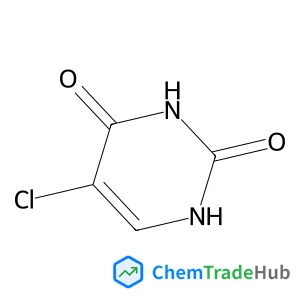
5-Chlorouracil
CAS Number: 1820-81-1
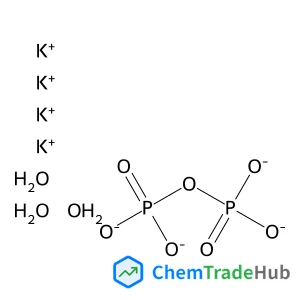
Diphosphoric acid, tetrapotassium salt
CAS Number: 7320-34-5
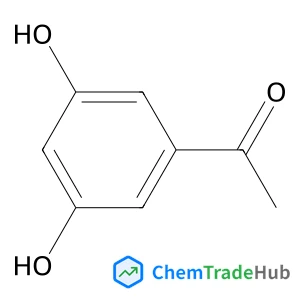
1-(3,5-Dihydroxyphenyl)ethanone
CAS Number: 51863-60-6
Other Suppliers for (3-Cyanophenyl)boronic acid





Basic Information
Molecular Formula
C7H6BNO2
Molecular Weight
146.94 g/mol
Physical Properties
Melting Point
298 °C (dec.) (lit.)
Boiling Point
347.4℃ at 760 mmHg
Density
1.2500
Flash Point
163.9℃
Chemical Identifiers
SMILES
B(C1=CC(=CC=C1)C#N)(O)O
InChIKey
XDBHWPLGGBLUHH-UHFFFAOYSA-N
Database References
MDL Number
MFCD01318967
Beilstein Registry Number
6136720
FAQ
(3-Cyanophenyl)boronic acid is a white crystalline solid with a molecular weight of approximately 180.12 g/mol. It is slightly soluble in water and more soluble in organic solvents. Chemically, it is reactive towards nucleophiles and can undergo condensation reactions. It is stable under normal conditions but should be stored in a dry, cool place to prevent degradation.
(3-Cyanophenyl)boronic acid can be synthesized via a multistep process involving the reaction of phenylboronic acid with a cyanide source, such as sodium cyanide, in the presence of a base. The reaction is typically carried out in an organic solvent like dimethylformamide (DMF) at elevated temperatures. The yield and selectivity can be optimized using appropriate catalytic systems.
(3-Cyanophenyl)boronic acid is used in various industries, including pharmaceuticals, where it serves as a building block for synthesizing drug candidates, and in polymer chemistry for modifying the properties of polymers. It is also utilized in sensor technology and semiconductor manufacturing due to its reactivity and specific functional groups.
When handling (3-Cyanophenyl)boronic acid, appropriate personal protective equipment (PPE) such as gloves, goggles, and a lab coat should be worn. Work should be conducted in a well-ventilated fume hood to minimize inhalation risks. Spills should be cleaned up using absorbent materials and disposed of according to local regulations. Always consult the Safety Data Sheet (SDS) for detailed handling instructions.
Safety Notice
Please verify product specifications and safety data before use. Contact the supplier for detailed safety information.
Always follow proper handling procedures
Contact Information
1572938790@qq.com