



AD
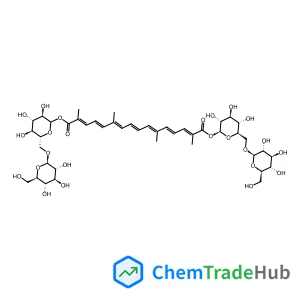
CROCIN(CAS: 42553-65-1)
CAS Number
Related Products
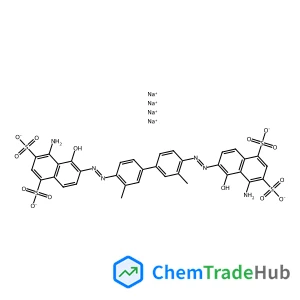
Evans blue
CAS Number: 314-13-6
![Sodium;2-[3,5-bis(2-hydroxyethyl)-1,3,5-triazinan-1-yl]ethanolate](https://static.chemtradehub.com/structs/904/9041-08-1-f8b0.webp)
![acetoxy-[[2-(bis-o-tolylphosphanyl)phenyl]methyl]palladium](https://static.chemtradehub.com/structs/172/172418-32-5-5ae9.webp)
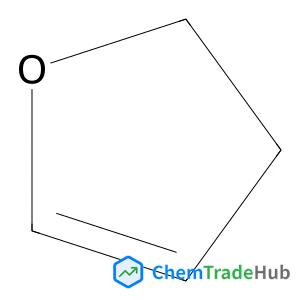
2,3-Dihydrofuran
CAS Number: 1191-99-7
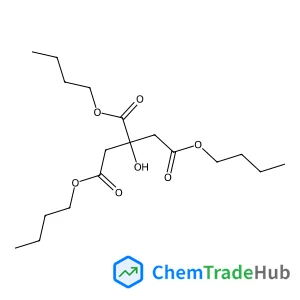
Tributyl citrate
CAS Number: 77-94-1
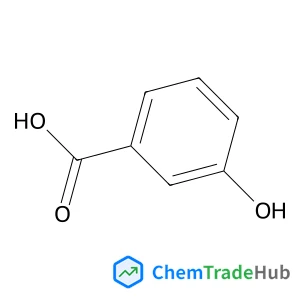
3-Hydroxybenzoic acid
CAS Number: 99-06-9
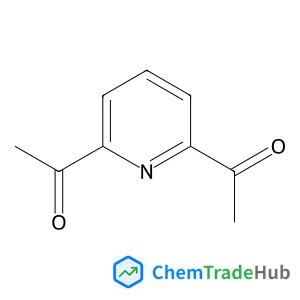
1,1'-(2,6-Pyridinediyl)diethanone
CAS Number: 1129-30-2
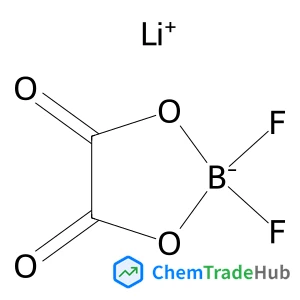
Lithium difluoro(oxalato)borate
CAS Number: 409071-16-5
Other Suppliers for CROCIN

Basic Information
Molecular Formula
C44H64O24
Molecular Weight
976.96 g/mol
Physical State
Powder
Physical Properties
Melting Point
186° (effervescence)
Boiling Point
1174.7°C at 760 mmHg
Density
1.4800
Chemical Identifiers
SMILES
OC[C@H]1O[C@@H](OC[C@H]2OC(OC(=O)/C(=C/C=C/C(=C/C=C/C=C(/C=C/C=C(/C(=O)O[C@@H]3O[C@H](CO[C@@H]4O[C@H](CO)[C@H]([C@@H]([C@H]4O)O)O)[C@H]([C@@H]([C@H]3O)O)O)\C)\C)/C)/C)[C@@H]([C@H]([C@@H]2O)O)O)[C@@H]([C@H]([C@@H]1O)O)O
InChIKey
SEBIKDIMAPSUBY-JVRKWAACSA-N
Database References
MDL Number
MFCD11044877
Beilstein Registry Number
6473367
FAQ
CROCIN is a naturally occurring carotenoid pigment derived from the crocus flower, specifically Crocus sativus. It has the chemical formula C44H68O19 and is known for its vibrant red color and antioxidant properties. CROCIN is widely used in food, pharmaceutical, and cosmetic industries due to its stability and beneficial effects.
CROCIN is primarily used as a natural food coloring agent in products like confectionery, beverages, and dairy items. It also finds applications in pharmaceuticals for its antioxidant and anti-inflammatory properties, and in cosmetics as a colorant and skin protectant. Additionally, it is used in research for studying its biological activities and potential health benefits.
CROCIN is generally considered safe for use in food, cosmetics, and pharmaceuticals when used within recommended limits. It is non-toxic and has a good safety profile. However, proper handling and protective measures should be taken during production to avoid skin or eye irritation. Safety standards are in place to ensure its appropriate application in various industries.
CROCIN should be stored in a cool, dry, and dark place to maintain its stability and color. It is best kept at temperatures below 25°C and humidity levels below 60%. Avoid exposure to light and air to prevent degradation. It should be stored in airtight, light-resistant containers to ensure long-term quality and safety.
Safety Notice
Please verify product specifications and safety data before use. Contact the supplier for detailed safety information.
Always follow proper handling procedures

Contact Information
Contact Person
Li Shuang
lishuang@hwrkchemical.com
Mobile
13269663372
Telephone
010-89508211
Visit Website
http://www.hwrkchemical.comAddress
No. 10 Building, 5th Floor, Unit 501-044, Liuxiang Road, Fengtai District, Beijing