



AD
Bismuth(3+) tris(2-ethylhexanoate)(CAS: 67874-71-9)

CAS Number
Related Products

Calcium Lactate Pentahydrate
CAS Number: 5743-47-5
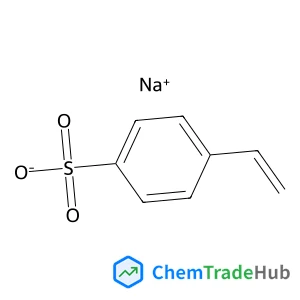
Sodium 4-vinylbenzenesulfonate
CAS Number: 2695-37-6
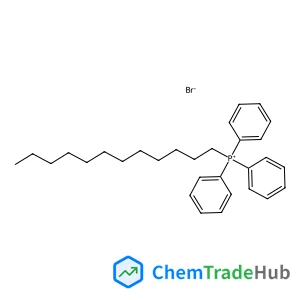
Dodecyl(triphenyl)phosphonium bromide
CAS Number: 15510-55-1


Poly(Propylene Glycol)
CAS Number: 25791-96-2

LANTHANUM CARBONATE
CAS Number: 587-26-8

Copper(1+) chloride
CAS Number: 1344-67-8

Sodium 1-tetradecanesulfonate
CAS Number: 6994-45-2

Tetramethyl methylenebis(phosphonate)
CAS Number: 16001-93-7
Other Suppliers for Bismuth(3+) tris(2-ethylhexanoate)






Basic Information
Molecular Formula
C24H45BiO6
Molecular Weight
638.6 g/mol
EINECS
267-499-7
Physical Properties
Boiling Point
228°Cat760mmHg
Density
1,28 g/cm3
Flash Point
72°C
Water Solubility
Not miscible with water.
Chemical Identifiers
SMILES
CCCCC(CC)C(=O)[O-].CCCCC(CC)C(=O)[O-].CCCCC(CC)C(=O)[O-].[Bi+3]
InChIKey
YSHSHVHVNURLRI-UHFFFAOYSA-K
Database References
MDL Number
MFCD00043803
FAQ
Bismuth(3+) tris(2-ethylhexanoate) is a colorless or white crystalline solid. Its molecular weight is approximately 334.4 g/mol. It is poorly soluble in water but readily soluble in organic solvents. The compound is stable under normal conditions but can react with strong acids. It has a low reactivity with most organic substances and is often used in the formulation of biocompatible coatings and pharmaceuticals.
Bismuth(3+) tris(2-ethylhexanoate) is typically synthesized by the reaction of bismuth(III) oxide with 2-ethylhexanoic acid in an alcohol solvent. The reaction involves the esterification of the carboxylic acid with the bismuth(III) species, leading to a high yield of the desired tris complex. The process is catalyzed by a metal oxide or a Lewis acid, and the product is purified by recrystallization from an appropriate solvent.
Bismuth(3+) tris(2-ethylhexanoate) is widely used in the pharmaceutical industry for its biocompatibility and anti-inflammatory properties. It is also utilized in the polymer industry as a stabilizer and in the production of sensors and semiconductors due to its unique electronic properties. Additionally, it is used in the formulation of coatings and paints for its corrosion-resistant characteristics.
What precautions should be taken when handling Bismuth(3+) tris(2-ethylhexanoate) (CAS: 67874-71-9)?
When handling Bismuth(3+) tris(2-ethylhexanoate), it is important to wear appropriate personal protective equipment (PPE) including gloves, goggles, and a lab coat. Work should be conducted in a fume hood to minimize inhalation risks. Spills should be cleaned up with appropriate absorbent material and disposed of according to local regulations. Always refer to the Safety Data Sheet (SDS) for detailed handling and storage information.
Safety Notice
Please verify product specifications and safety data before use. Contact the supplier for detailed safety information.
Always follow proper handling procedures
Contact Information
Contact Person
Manager Shi
1373640151@qq.com