



AD
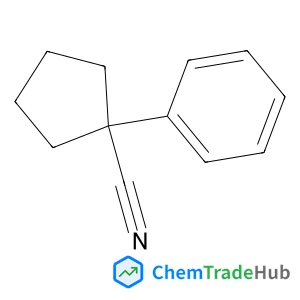
1-Phenylcyclopentanecarbonitrile(CAS: 77-57-6)
CAS Number
Related Products
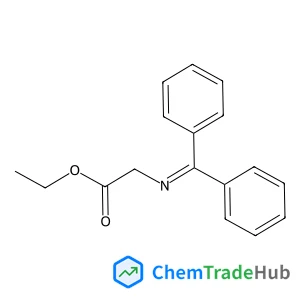
Ethyl N-(diphenylmethylene)glycinate
CAS Number: 69555-14-2
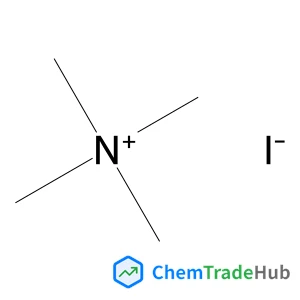
N,N,N-Trimethylmethanaminium iodide
CAS Number: 75-58-1
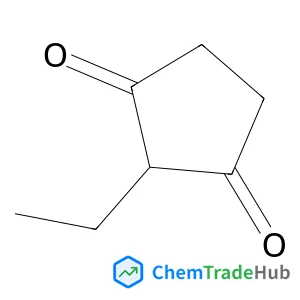
2-Ethyl-1,3-cyclopentanedione
CAS Number: 823-36-9
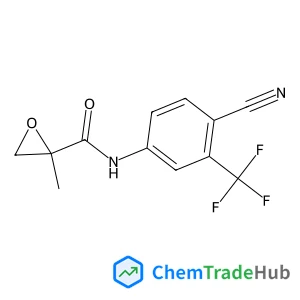
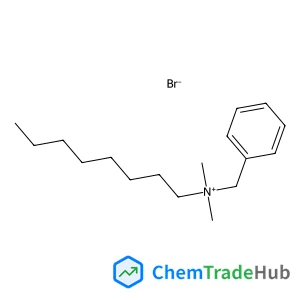
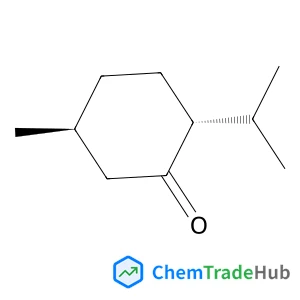
(2R,5S)-2-Isopropyl-5-methylcyclohexanone
CAS Number: 89-80-5
Other Suppliers for 1-Phenylcyclopentanecarbonitrile







Basic Information
Molecular Formula
C12H13N
Molecular Weight
17.03 g/mol
Physical Properties
Boiling Point
108°C/0.8mmHg(lit.)
Density
1.03
Flash Point
113.5°C
Chemical Identifiers
SMILES
C1CCC(C1)(C#N)C2=CC=CC=C2
InChIKey
GDXMFFGTPGAGGX-UHFFFAOYSA-N
Database References
MDL Number
MFCD00001358
FAQ
1-Phenylcyclopentanecarbonitrile is a colorless to light yellow crystalline solid with a molecular weight of approximately 152.18 g/mol. It is slightly soluble in water but miscible with organic solvents like ethanol and acetone. Chemically, it is stable under normal conditions but reacts with strong bases to form phenylcyclopentane. It has a melting point of 64-66°C and a boiling point of 259°C. This compound is used in various applications due to its chemical stability and reactivity.
1-Phenylcyclopentanecarbonitrile is typically synthesized by the reaction of phenylcyclopentane with hydrogen cyanide. Commonly, this reaction is conducted in the presence of a catalyst like palladium on carbon under pressure. The yield is generally high, and the product can be isolated by simple distillation. The reaction conditions include a temperature range of 50-60°C and a pressure of 2-3 atm. This method ensures high selectivity and purity of the product.
1-Phenylcyclopentanecarbonitrile is used in various industries. It is primarily used in the pharmaceutical industry as a precursor for synthesizing drugs. In the polymer industry, it serves as a monomer for producing certain types of plastics. Additionally, it is employed in the electronics industry for the fabrication of semiconductors and sensors. Its unique chemical properties make it a valuable intermediate in these applications.
When handling 1-Phenylcyclopentanecarbonitrile, it is essential to follow strict safety protocols. Wear appropriate personal protective equipment (PPE) including gloves, safety glasses, and a lab coat. Work in a well-ventilated area or a fume hood to avoid inhalation of the compound. Spills should be cleaned up immediately with appropriate absorbent materials. In case of skin contact, thoroughly wash the affected area with soap and water. For detailed safety information, refer to the Safety Data Sheet (SDS) for this compound.
Safety Notice
Please verify product specifications and safety data before use. Contact the supplier for detailed safety information.
Always follow proper handling procedures
Contact Information
sales@witofly.com