



AD
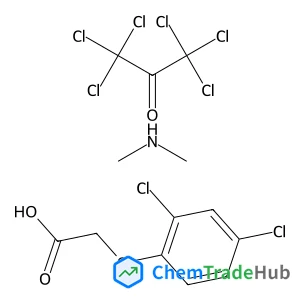
2-(2,4-dichlorophenoxy)acetic acid; 1,1,1,3,3,3-hexachloropropan-2-one; N-methylmethanamine(CAS: 68603-42-9)
CAS Number
Related Products
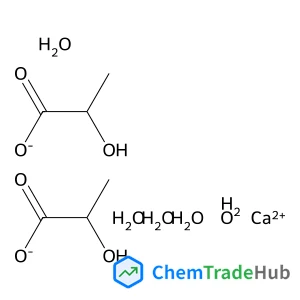
Calcium Lactate Pentahydrate
CAS Number: 5743-47-5
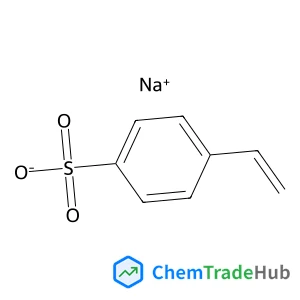
Sodium 4-vinylbenzenesulfonate
CAS Number: 2695-37-6
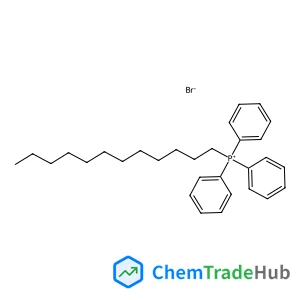
Dodecyl(triphenyl)phosphonium bromide
CAS Number: 15510-55-1
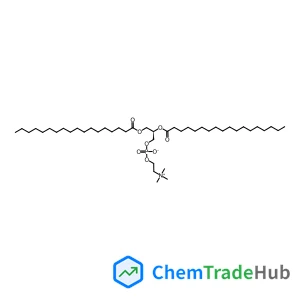
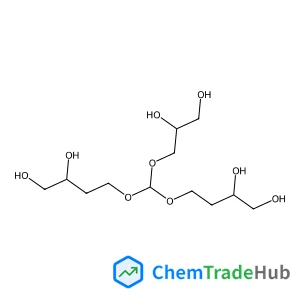
Poly(Propylene Glycol)
CAS Number: 25791-96-2
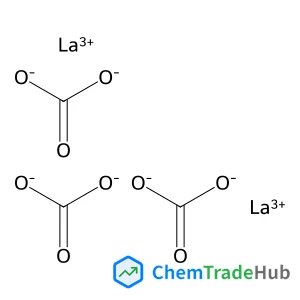
LANTHANUM CARBONATE
CAS Number: 587-26-8
Copper(1+) chloride
CAS Number: 1344-67-8
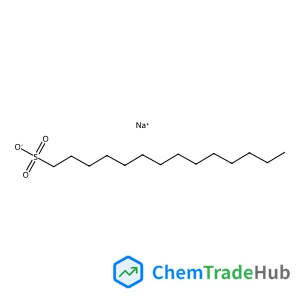
Sodium 1-tetradecanesulfonate
CAS Number: 6994-45-2
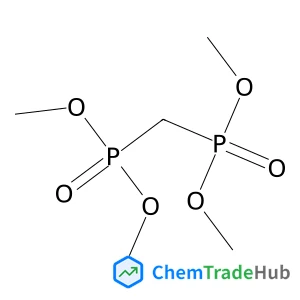
Tetramethyl methylenebis(phosphonate)
CAS Number: 16001-93-7
Other Suppliers for 2-(2,4-dichlorophenoxy)acetic acid; 1,1,1,3,3,3-hexachloropropan-2-one; N-methylmethanamine






Basic Information
Molecular Formula
C13H13Cl8NO4
Molecular Weight
530.87 g/mol
EINECS
271-657-0
Physical Properties
Boiling Point
168-274°C
Water Solubility
5-10 g/100 mL at 18 ºC
Chemical Identifiers
SMILES
CNC.c1cc(c(cc1Cl)Cl)OCC(=O)O.C(=O)(C(Cl)(Cl)Cl)C(Cl)(Cl)Cl
InChIKey
VSIOJDPUQMSMND-UHFFFAOYSA-N
Database References
MDL Number
MFCD01779098
FAQ
2-(2,4-dichlorophenoxy)acetic acid, also known as 2,4-D, is a synthetic organic compound commonly used as a herbicide. Its chemical formula is C8H6Cl2O3. It is a white crystalline solid with a moderate melting point and is soluble in water and organic solvents. This compound is widely recognized for its effectiveness in controlling broadleaf weeds in agricultural and non-agricultural settings.
2-(2,4-dichlorophenoxy)acetic acid (2,4-D) is primarily used as a herbicide in agriculture to manage weeds. It is also employed in industrial applications such as in the production of other chemicals. In research, it serves as a model compound for studying herbicidal activity. Additionally, it has been used historically in the formulation of certain pesticides and in the development of plant growth regulators.
2-(2,4-dichlorophenoxy)acetic acid (2,4-D) is generally considered safe when used according to guidelines. However, it may cause skin and eye irritation, and inhalation of its vapors can be harmful. Proper handling, including the use of protective gloves and eyewear, is essential. It is classified as a moderate hazard to the environment and should be managed with care to prevent contamination of water sources.
2-(2,4-dichlorophenoxy)acetic acid should be stored in a cool, dry, and well-ventilated area, away from direct sunlight. It is best kept in a sealed container at a temperature below 25°C. Ensure humidity levels are low to prevent degradation. Always store it in a location inaccessible to children and not in proximity to incompatible materials to maintain stability and safety.
Safety Notice
Please verify product specifications and safety data before use. Contact the supplier for detailed safety information.
Always follow proper handling procedures
Contact Information
Contact Person
Manager Shi
1373640151@qq.com