



AD
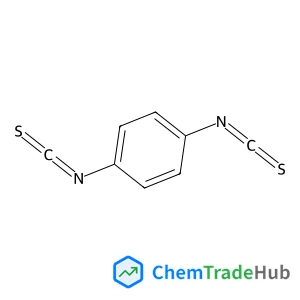
1,4-Diisothiocyanatobenzene(CAS: 4044-65-9)
CAS Number
Related Products
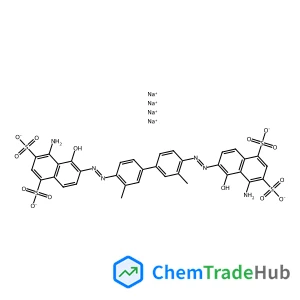
Evans blue
CAS Number: 314-13-6
![Sodium;2-[3,5-bis(2-hydroxyethyl)-1,3,5-triazinan-1-yl]ethanolate](https://static.chemtradehub.com/structs/904/9041-08-1-f8b0.webp)
![acetoxy-[[2-(bis-o-tolylphosphanyl)phenyl]methyl]palladium](https://static.chemtradehub.com/structs/172/172418-32-5-5ae9.webp)
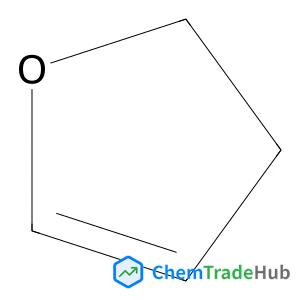
2,3-Dihydrofuran
CAS Number: 1191-99-7
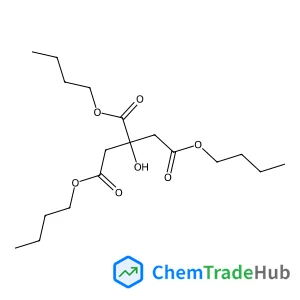
Tributyl citrate
CAS Number: 77-94-1
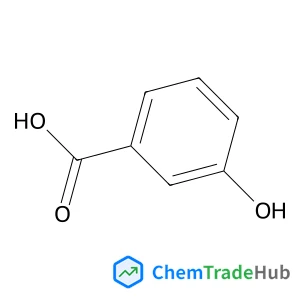
3-Hydroxybenzoic acid
CAS Number: 99-06-9
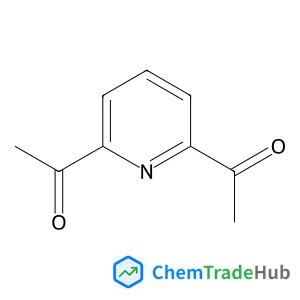
1,1'-(2,6-Pyridinediyl)diethanone
CAS Number: 1129-30-2
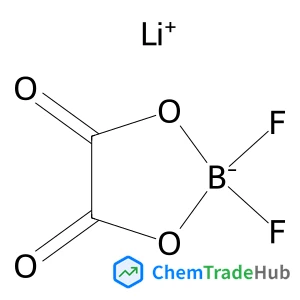
Lithium difluoro(oxalato)borate
CAS Number: 409071-16-5
Other Suppliers for 1,4-Diisothiocyanatobenzene







Basic Information
Molecular Formula
C8H4N2S2
Molecular Weight
192.27 g/mol
Physical Properties
Melting Point
129-131 °C (lit.)
Boiling Point
339.4°C at 760 mmHg
Flash Point
167.2°C
Water Solubility
Hydrolyzes in water.
Chemical Identifiers
SMILES
C1=CC(=CC=C1N=C=S)N=C=S
InChIKey
OMWQUXGVXQELIX-UHFFFAOYSA-N
Database References
MDL Number
MFCD00004811
Beilstein Registry Number
2414340
FAQ
1,4-Diisothiocyanatobenzene (CAS: 4044-65-9) is classified under the Globally Harmonized System of Classification and Labeling of Chemicals (GHS) as a skin and eye irritant. For manufacturing and handling, companies should comply with REACH regulations, ensuring that the chemical does not pose an unreasonable risk to human health and the environment. Additionally, FDA and EPA regulations govern its use in consumer products and environmental releases in the United States.
There are several alternatives to 1,4-Diisothiocyanatobenzene (CAS: 4044-65-9) in synthesis, including 1,3-Diisothiocyanatobenzene and 1,2-Diisothiocyanatobenzene. Other potential substitutes include isomeric diisothiocyanates and related thiocyanates, which can serve as effective reagents in similar chemical processes.
The market for 1,4-Diisothiocyanatobenzene (CAS: 4044-65-9) is driven by its use in the synthesis of drugs, dyes, and polymers. Research trends indicate growing interest in its application in the development of new materials and pharmaceuticals. The trend towards sustainable and environmentally friendly chemical processes is also influencing the demand for this compound.
Waste containing 1,4-Diisothiocyanatobenzene (CAS: 4044-65-9) should be collected and disposed of in accordance with local and national regulations. Incineration is a common method for disposal, provided that it is done in a controlled and properly licensed facility. Professional waste disposal services should be used to ensure safe and environmentally sound handling. Proper protective equipment and safety measures should be followed during waste handling to prevent exposure and environmental contamination.
Safety Notice
Please verify product specifications and safety data before use. Contact the supplier for detailed safety information.
Always follow proper handling procedures
Contact Information
Contact Person
Li Shuang
lishuang@hwrkchemical.com
Mobile
13269663372
Telephone
010-89508211
Visit Website
http://www.hwrkchemical.comAddress
No. 10 Building, 5th Floor, Unit 501-044, Liuxiang Road, Fengtai District, Beijing