



AD
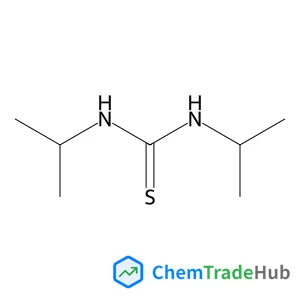
N,N'-Diisopropylcarbamimidothioic acid(CAS: 2986-17-6)
CAS Number
Related Products
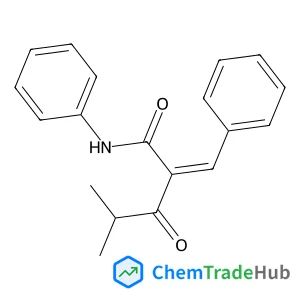
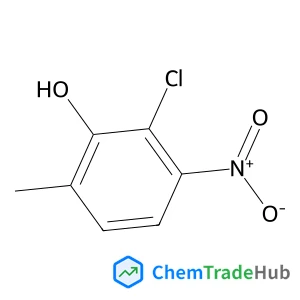
2-Chloro-6-methyl-3-nitrophenol
CAS Number: 39183-20-5
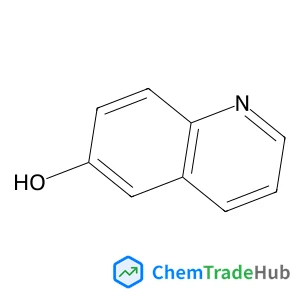
6-Quinolinol
CAS Number: 580-16-5
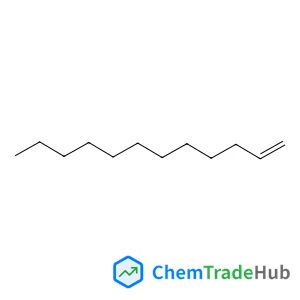
1-Dodecene
CAS Number: 112-41-4
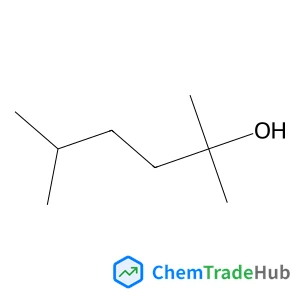
2,5-Dimethyl-2-hexanol
CAS Number: 3730-60-7
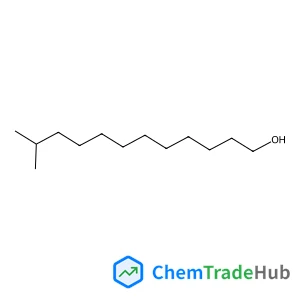
11-Methyl-1-dodecanol
CAS Number: 68526-86-3
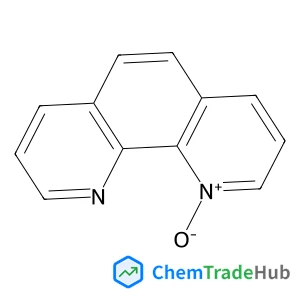
1,10-Phenanthroline 1-oxide
CAS Number: 1891-19-6
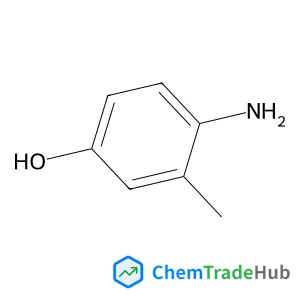
4-Amino-3-methylphenol
CAS Number: 2835-99-6
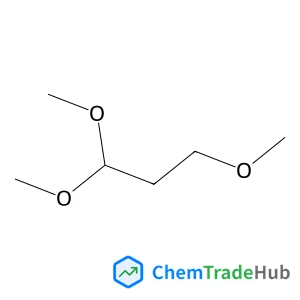
1,1,3-Trimethoxypropane
CAS Number: 14315-97-0
Other Suppliers for N,N'-Diisopropylcarbamimidothioic acid






Basic Information
Molecular Formula
C7H16N2S
Molecular Weight
160.29 g/mol
Physical Properties
Melting Point
143.0 to 146.0 deg-C
Boiling Point
110°C (rough estimate)
Flash Point
74.9 °C
Chemical Identifiers
SMILES
CC(C)NC(=S)NC(C)C
InChIKey
KREOCUNMMFZOOS-UHFFFAOYSA-N
Database References
MDL Number
MFCD00040485
Beilstein Registry Number
0605861
FAQ
N,N'-Diisopropylcarbamimidothioic acid is a crystalline compound with a molecular weight of approximately 215.34 g/mol. It has a melting point of 165-167°C and is only slightly soluble in water. The compound is reactive towards nucleophiles and can form adducts with them. It is a colorless to slightly yellow solid with a pungent odor.
N,N'-Diisopropylcarbamimidothioic acid can be synthesized by reacting diisopropylamine with carbon disulfide followed by treatment with hydroxylamine. The reaction involves the formation of an imidodicarbamate intermediate, which then undergoes a rearrangement to form the final product. The process typically yields 80-85% purity with good selectivity.
N,N'-Diisopropylcarbamimidothioic acid is used in the synthesis of various pharmaceuticals, including antiviral agents and immunosuppressants. It also finds applications in the polymer industry as a cross-linking agent and in the production of sensors for detecting volatile organic compounds. Additionally, it is used in the semiconductor industry as a component in etching solutions.
When handling N,N'-Diisopropylcarbamimidothioic acid, it is crucial to use appropriate personal protective equipment (PPE), including gloves, goggles, and a lab coat. The compound should be handled in a well-ventilated area or a fume hood due to its pungent odor and potential reactivity. Spills should be neutralized with a suitable base before cleaning up. Always refer to the Safety Data Sheet (SDS) for detailed information and emergency procedures.
Safety Notice
Please verify product specifications and safety data before use. Contact the supplier for detailed safety information.
Always follow proper handling procedures
Contact Information
Contact Person
Fang Chao
3003755934@qq.com