



AD
TITANIUM(III,IV) OXIDE(CAS: 12065-65-5)
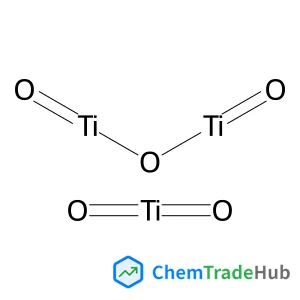
CAS Number
Related Products
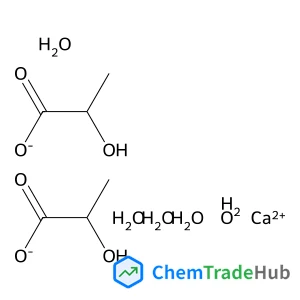
Calcium Lactate Pentahydrate
CAS Number: 5743-47-5
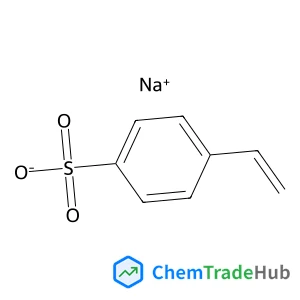
Sodium 4-vinylbenzenesulfonate
CAS Number: 2695-37-6
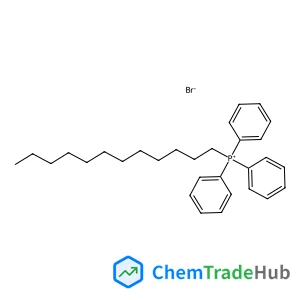
Dodecyl(triphenyl)phosphonium bromide
CAS Number: 15510-55-1
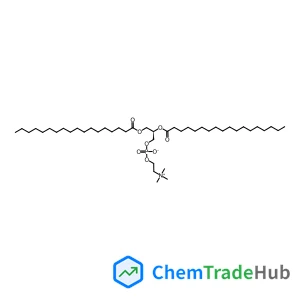
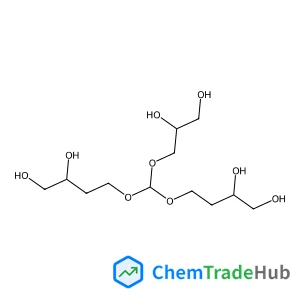
Poly(Propylene Glycol)
CAS Number: 25791-96-2
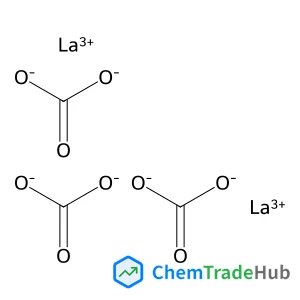
LANTHANUM CARBONATE
CAS Number: 587-26-8
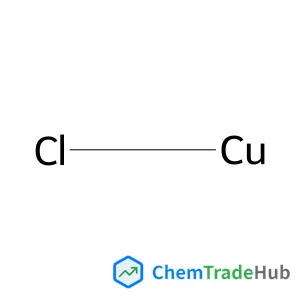
Copper(1+) chloride
CAS Number: 1344-67-8
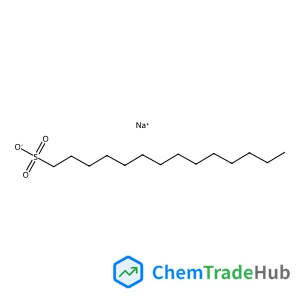
Sodium 1-tetradecanesulfonate
CAS Number: 6994-45-2
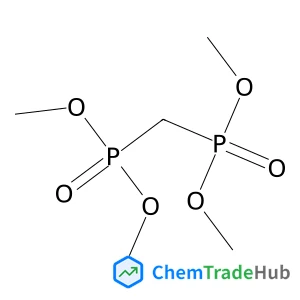
Tetramethyl methylenebis(phosphonate)
CAS Number: 16001-93-7
Other Suppliers for TITANIUM(III,IV) OXIDE

Basic Information
Molecular Formula
O5Ti3
Molecular Weight
223.6 g/mol
Physical Properties
Melting Point
1800°C
Chemical Identifiers
SMILES
O=[Ti]=O.O=[Ti]O[Ti]=O
InChIKey
KEYBBJSJLXNJNN-UHFFFAOYSA-N
Database References
MDL Number
MFCD00210650
FAQ
Titanium(III,IV) Oxide (CAS: 12065-65-5) is a yellow to brown amorphous or crystalline powder. It has a high melting point and is insoluble in water. Its molecular weight is approximately 79.87 g/mol. Chemically, it is a stable compound with limited reactivity under normal conditions. It is a semiconductor material with a bandgap of around 3.2 eV.
Titanium(III,IV) Oxide (CAS: 12065-65-5) is typically synthesized through the reduction of titanium dioxide by carbon or hydrogen at high temperatures. Common methods include thermal reduction and hydrogenation. The yield and selectivity of these methods are high, and the product can be further processed to achieve desired particle size and morphology.
Titanium(III,IV) Oxide (CAS: 12065-65-5) is widely used in the pharmaceuticals industry for drug delivery and imaging agents. It is also used in the polymer industry for UV protection and barrier properties. In the electronics industry, it serves as a semiconductor material for sensors and other applications. It is also used in the cosmetics industry as a pigment.
When handling Titanium(III,IV) Oxide (CAS: 12065-65-5), it is important to wear appropriate personal protective equipment (PPE) such as gloves, safety goggles, and lab coat. Work in a well-ventilated area or fume hood to avoid inhalation of dust. Spills should be cleaned up with caution, using appropriate absorbents. Always consult the Safety Data Sheet (SDS) for detailed handling and disposal information.
Safety Notice
Please verify product specifications and safety data before use. Contact the supplier for detailed safety information.
Always follow proper handling procedures
Contact Information
Contact Person
Manager Shi
1373640151@qq.com