



AD
1,4-Dioxane-2,5-dione(CAS: 502-97-6)
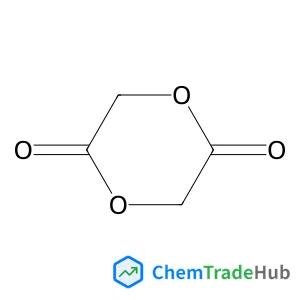
CAS Number
Related Products
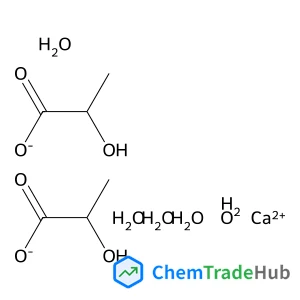
Calcium Lactate Pentahydrate
CAS Number: 5743-47-5
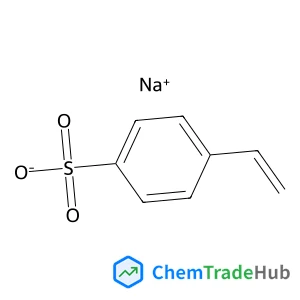
Sodium 4-vinylbenzenesulfonate
CAS Number: 2695-37-6
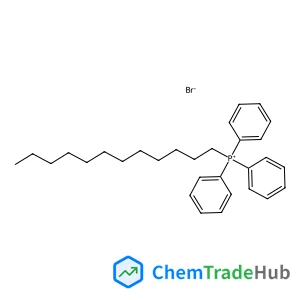
Dodecyl(triphenyl)phosphonium bromide
CAS Number: 15510-55-1
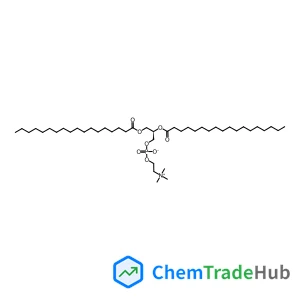
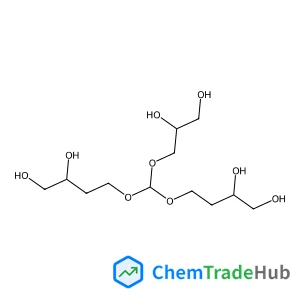
Poly(Propylene Glycol)
CAS Number: 25791-96-2
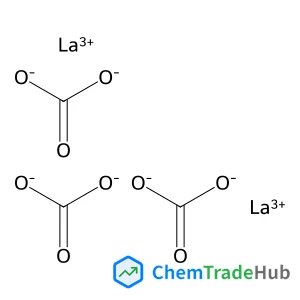
LANTHANUM CARBONATE
CAS Number: 587-26-8

Copper(1+) chloride
CAS Number: 1344-67-8
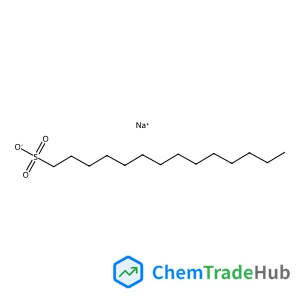
Sodium 1-tetradecanesulfonate
CAS Number: 6994-45-2

Tetramethyl methylenebis(phosphonate)
CAS Number: 16001-93-7
Other Suppliers for 1,4-Dioxane-2,5-dione






Basic Information
Molecular Formula
C4H4O4
Molecular Weight
116.07 g/mol
Physical Properties
Melting Point
82.0 to 86.0 deg-C
Boiling Point
130°C(lit.)
Flash Point
181.5 °C
Chemical Identifiers
SMILES
O=C(CO1)OCC1=O
InChIKey
RKDVKSZUMVYZHH-UHFFFAOYSA-N
Database References
MDL Number
MFCD00081108
FAQ
1,4-Dioxane-2,5-dione is an organic compound with the chemical formula C4H4O4. It is a colorless, hygroscopic solid with a sweet, phenolic odor. It is used as a reagent in organic synthesis and as a component in certain pharmaceuticals and industrial applications.
1,4-Dioxane-2,5-dione is primarily used as a reagent in organic synthesis, particularly in the preparation of other organic compounds. It is also used in the pharmaceutical industry, where it serves as a starting material for the synthesis of various drugs. Additionally, it is utilized in some industrial applications, such as the production of polymers and as a component in certain formulations.
1,4-Dioxane-2,5-dione is classified as a toxic compound and should be handled with care. It is important to follow all safety guidelines, including the use of appropriate personal protective equipment (PPE) such as gloves and goggles. Exposure to high concentrations can cause irritation to the eyes, skin, and respiratory system. Storage and handling should be performed in accordance with local regulations and safety standards.
1,4-Dioxane-2,5-dione should be stored in a cool, dry place away from direct sunlight and sources of heat. It should be kept in a tightly sealed container to prevent moisture absorption. The storage area should be well-ventilated to minimize the risk of inhalation exposure. It is important to store it away from incompatible materials, such as strong acids, bases, and oxidizers, to prevent potential reactions. Follow all local storage regulations and guidelines for hazardous chemicals.
Safety Notice
Please verify product specifications and safety data before use. Contact the supplier for detailed safety information.
Always follow proper handling procedures
Contact Information
Contact Person
Manager Shi
1373640151@qq.com