



AD
1-(3-Methylphenyl)methanamine(CAS: 100-81-2)
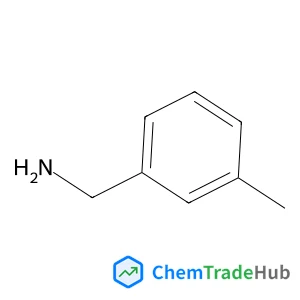
CAS Number
Related Products
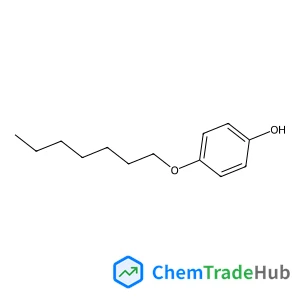
4-(Heptyloxy)phenol
CAS Number: 13037-86-0
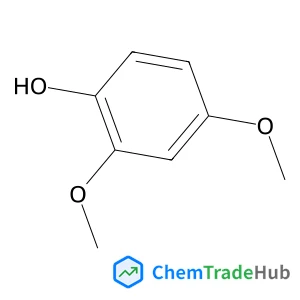
2,4-Dimethoxyphenol
CAS Number: 13330-65-9
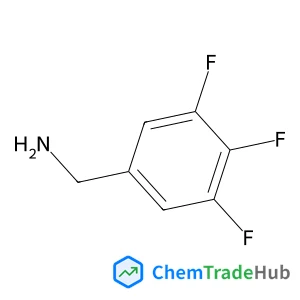
1-(3,4,5-Trifluorophenyl)methanamine
CAS Number: 235088-69-4
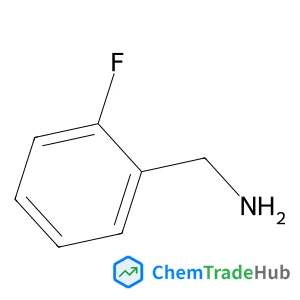
1-(2-Fluorophenyl)methanamine
CAS Number: 89-99-6
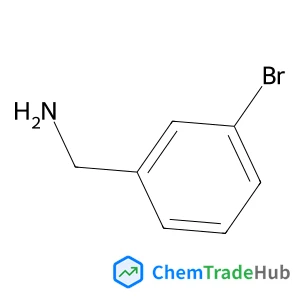
1-(3-Bromophenyl)methanamine
CAS Number: 10269-01-9
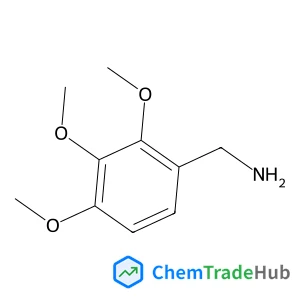
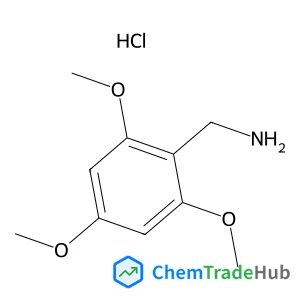
1-(2,3,4-Trimethoxyphenyl)methanamine
CAS Number: 41219-16-3
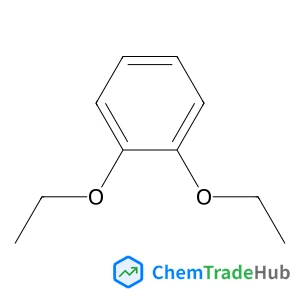
1,2-Diethoxybenzene
CAS Number: 2050-46-6
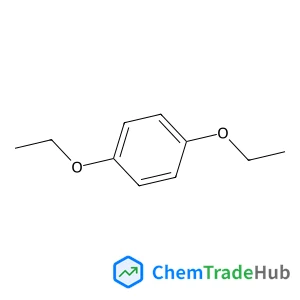
1,4-Diethoxybenzene
CAS Number: 122-95-2
Other Suppliers for 1-(3-Methylphenyl)methanamine





Basic Information
Molecular Formula
C8H11N
Molecular Weight
121.18 g/mol
Physical Properties
Melting Point
19.71°C (estimate)
Boiling Point
202-205 °C(lit.)
Chemical Identifiers
SMILES
CC1=CC(=CC=C1)CN
InChIKey
RGXUCUWVGKLACF-UHFFFAOYSA-N
Database References
MDL Number
MFCD00008118
Beilstein Registry Number
507474
FAQ
1-(3-Methylphenyl)methanamine (CAS: 100-81-2) is a colorless liquid with a molecular weight of 128.19 g/mol. It has a pKa of approximately 12.5 and is moderately soluble in water but highly soluble in organic solvents. This compound is known for its reactivity, particularly towards nucleophilic substitution and electrophilic aromatic substitution reactions.
1-(3-Methylphenyl)methanamine can be synthesized through amination of 3-methylbenzaldehyde with methylamine. Common methods include the use of sodium methylate as a catalyst in a solvent such as dimethylformamide (DMF). The reaction is typically carried out at room temperature and yields a high purity product with good selectivity and yield.
1-(3-Methylphenyl)methanamine is widely used in the pharmaceutical industry for the synthesis of various drug intermediates. It also finds applications in the polymer industry for the development of polyurethane precursors, and in the semiconductor industry as a dopant for organic electronics. Additionally, it is used in the production of chemical sensors and as a starting material for other organic compounds.
When handling 1-(3-Methylphenyl)methanamine (CAS: 100-81-2), it is crucial to use personal protective equipment (PPE) such as gloves, goggles, and lab coats. This compound is corrosive and can cause skin and eye irritation. It should be handled in a well-ventilated area or a fume hood. In case of a spill, neutralize it with an appropriate neutralizing agent and dispose of it according to local regulations. Always consult the safety data sheet (SDS) for detailed handling and emergency procedures.
Safety Notice
Please verify product specifications and safety data before use. Contact the supplier for detailed safety information.
Always follow proper handling procedures
Contact Information
Contact Person
Manager Xu