AD
1-(2-Chloro-4-hydroxyphenyl)ethanone(CAS: 68301-59-7)
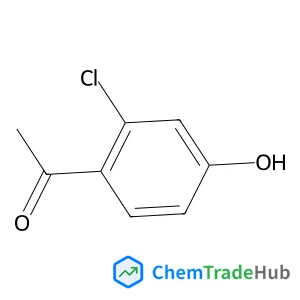
CAS Number
Related Products
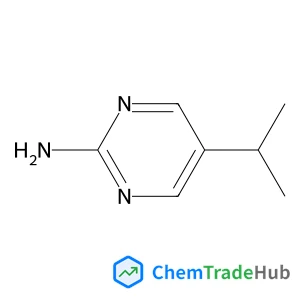
5-Isopropyl-2-pyrimidinamine
CAS Number: 98432-17-8
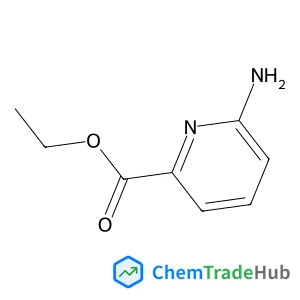
Ethyl 6-amino-2-pyridinecarboxylate
CAS Number: 69142-64-9
![4-Hydroxythieno[2,3-b]pyridin-6(7H)-one](https://static.chemtradehub.com/structs/994/99429-78-4-2198.webp)
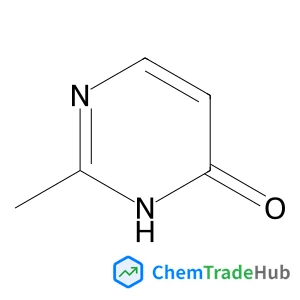
2-Methyl-4(3H)-pyrimidinone
CAS Number: 67383-35-1
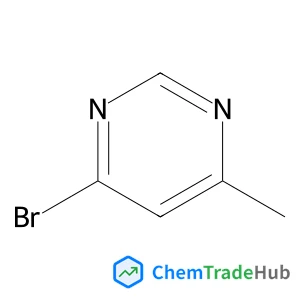
4-Bromo-6-methylpyrimidine
CAS Number: 69543-98-2
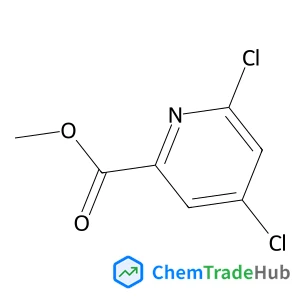
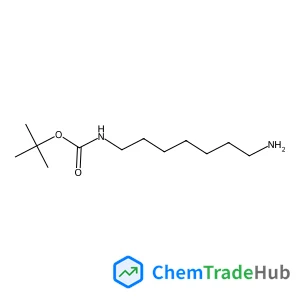
![1-([1,2,4]Triazolo[4,3-a]pyridin-3-yl)methanamine](https://static.chemtradehub.com/structs/919/91981-59-8-9d88.webp)
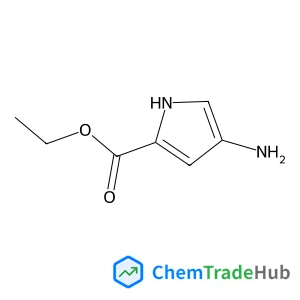
Ethyl 4-amino-1H-pyrrole-2-carboxylate
CAS Number: 67318-12-1
Other Suppliers for 1-(2-Chloro-4-hydroxyphenyl)ethanone




Basic Information
Molecular Formula
C8H7ClO2
Molecular Weight
170.59 g/mol
Physical Properties
Melting Point
106-108°C
Chemical Identifiers
SMILES
CC(=O)C1=C(C=C(C=C1)O)Cl
InChIKey
LEQXWOPVKMSPDV-UHFFFAOYSA-N
Database References
MDL Number
MFCD00142709
FAQ
1-(2-Chloro-4-hydroxyphenyl)ethanone (CAS: 68301-59-7) must comply with the Globally Harmonized System of Classification and Labeling of Chemicals (GHS) for its classification and labeling. In the European Union, it is regulated under the REACH regulations, which require manufacturers and importers to register substances with the European Chemicals Agency. Additionally, the U.S. Food and Drug Administration (FDA) and Environmental Protection Agency (EPA) have specific guidelines for the handling and reporting of this compound, focusing on environmental and occupational health standards.
There are several alternatives to 1-(2-Chloro-4-hydroxyphenyl)ethanone (CAS: 68301-59-7) in synthesis, such as 1-(2-Bromo-4-hydroxyphenyl)ethanone or 1-(3-Chloro-4-hydroxyphenyl)ethanone. These analogs can be used as reagents or intermediates depending on the desired properties. Common alternative reagents include 2-chlorobenzophenone and 2-hydroxybenzophenone, which can serve similar functions in different chemical processes.
The market for 1-(2-Chloro-4-hydroxyphenyl)ethanone (CAS: 68301-59-7) is growing with increasing demand in pharmaceutical and synthetic chemistry research. Research trends indicate a focus on developing new drugs and materials that utilize this compound as an intermediate. Price trends suggest that due to its specialized use, the compound maintains a stable and slightly higher market price compared to common reagents. Emerging research fields are exploring its potential in medicinal chemistry and organic synthesis.
Waste containing 1-(2-Chloro-4-hydroxyphenyl)ethanone (CAS: 68301-59-7) should be collected and stored in appropriate containers to prevent leaks and spills. It should be disposed of through professional waste disposal services that are licensed to handle hazardous chemicals. Incineration is a common method for disposal, but it must be conducted in an enclosed and controlled environment to minimize environmental impact. Environmental protection precautions include proper ventilation and personal protective equipment to ensure the safety of handlers and the environment.
Safety Notice
Please verify product specifications and safety data before use. Contact the supplier for detailed safety information.
Always follow proper handling procedures