



AD
Palmitic acid(CAS: 57-10-3)
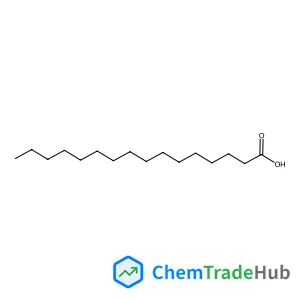
CAS Number
Related Products
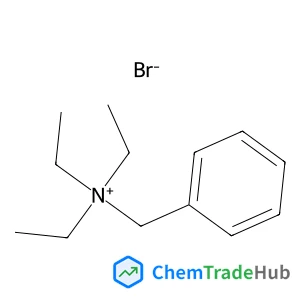
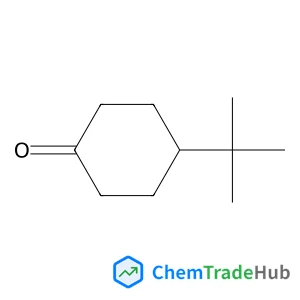
4-(2-Methyl-2-propanyl)cyclohexanone
CAS Number: 98-53-3
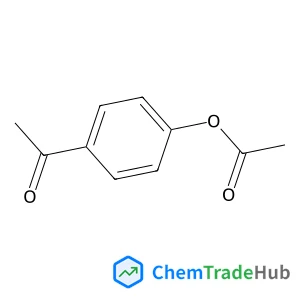
4-Acetylphenyl acetate
CAS Number: 13031-43-1
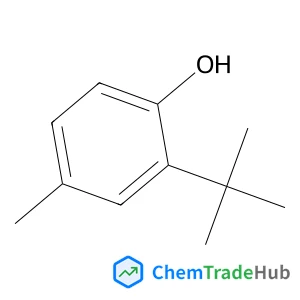
4-Methyl-2-(2-methyl-2-propanyl)phenol
CAS Number: 2409-55-4
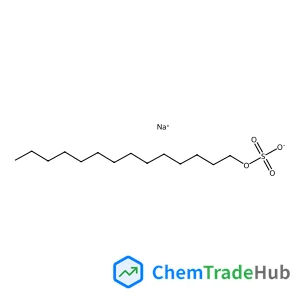
sodium tetradecyl sulfate
CAS Number: 1191-50-0
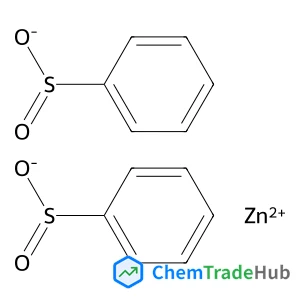
Zinc benzenesulfinate dihydrate
CAS Number: 24308-84-7
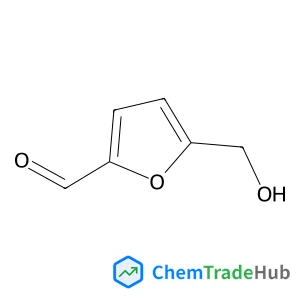
5-(Hydroxymethyl)-2-furaldehyde
CAS Number: 67-47-0
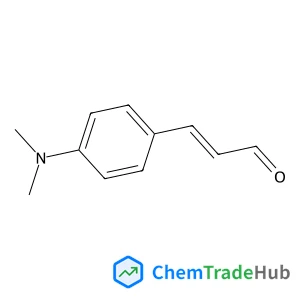
4-Dimethylaminocinnamaldehyde
CAS Number: 6203-18-5
Other Suppliers for Palmitic acid





Basic Information
Molecular Formula
C16H32O2
Molecular Weight
256.43 g/mol
Physical State
Powder
Physical Properties
Melting Point
61-62.5 °C (lit.)
Boiling Point
271.5 °C/100 mmHg(lit.)
Chemical Identifiers
SMILES
CCCCCCCCCCCCCCCC(=O)O
InChIKey
IPCSVZSSVZVIGE-UHFFFAOYSA-N
Database References
MDL Number
MFCD00002747
Beilstein Registry Number
607489
FAQ
Palmitic acid is a saturated fatty acid with the chemical formula C16H32O2. It is a long-chain carboxylic acid commonly found in animal and plant fats, such as in beef tallow and palm oil. Palmitic acid is solid at room temperature, has a waxy texture, and is insoluble in water. It is widely used in various industries due to its chemical properties and natural occurrence.
Palmitic acid is used in pharmaceuticals as a surfactant and emulsifier, in the food industry as a fat additive and in cosmetics for its emollient properties. It also finds applications in the production of soaps, detergents, and lubricants. In research, it is used to study lipid metabolism and as a component in synthetic compounds.
Palmitic acid is generally considered safe when used in appropriate amounts and under proper handling conditions. However, high concentrations may cause skin irritation or respiratory issues. It is important to follow safety guidelines, use protective equipment, and ensure proper ventilation when working with this compound. Safety standards are in place for industrial and consumer applications to minimize risks.
Palmitic acid should be stored in a cool, dry place away from light. It is best kept in a sealed container at temperatures below 25°C to maintain stability. Avoid exposure to moisture and air to prevent degradation. Proper storage is essential to ensure its quality and safety for use in various applications.
Safety Notice
Please verify product specifications and safety data before use. Contact the supplier for detailed safety information.
Always follow proper handling procedures
Contact Information
3127859172@qq.com