



AD
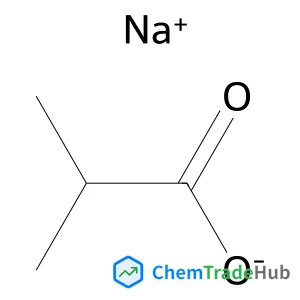
Sodium 2-methylpropanoate(CAS: 996-30-5)
CAS Number
Related Products
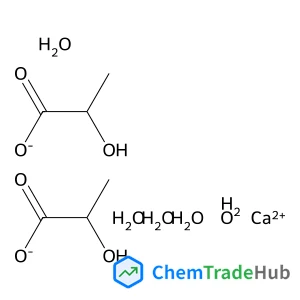
Calcium Lactate Pentahydrate
CAS Number: 5743-47-5
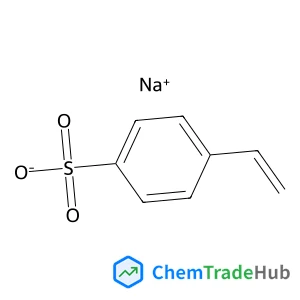
Sodium 4-vinylbenzenesulfonate
CAS Number: 2695-37-6
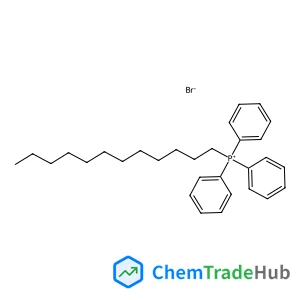
Dodecyl(triphenyl)phosphonium bromide
CAS Number: 15510-55-1
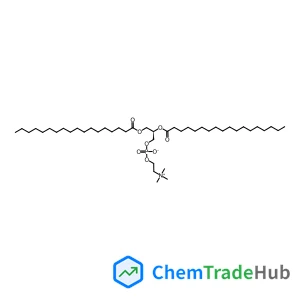
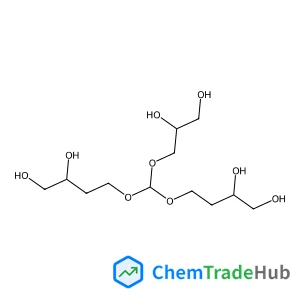
Poly(Propylene Glycol)
CAS Number: 25791-96-2
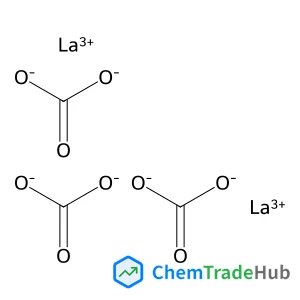
LANTHANUM CARBONATE
CAS Number: 587-26-8

Copper(1+) chloride
CAS Number: 1344-67-8
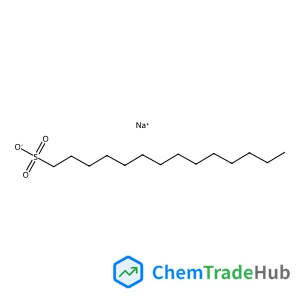
Sodium 1-tetradecanesulfonate
CAS Number: 6994-45-2
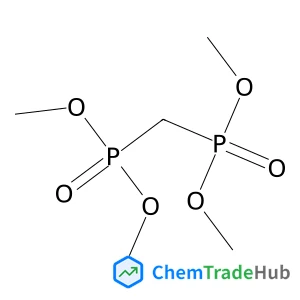
Tetramethyl methylenebis(phosphonate)
CAS Number: 16001-93-7
Other Suppliers for Sodium 2-methylpropanoate





Basic Information
Molecular Formula
C4H7NaO2
Molecular Weight
110.09 g/mol
Physical Properties
Melting Point
320 ºC
Boiling Point
155.2 °C at 760 mmHg
Density
0.983 g/cm3
Flash Point
58.2 °C
Chemical Identifiers
SMILES
CC(C)C(=O)[O-].[Na+]
InChIKey
TWEGKFXBDXYJIU-UHFFFAOYSA-M
Database References
MDL Number
MFCD00045890
FAQ
Sodium 2-methylpropanoate appears as a white crystalline solid. Its molecular weight is approximately 126.13 g/mol. It is highly soluble in water and ethanol. Chemically, it is moderately reactive, particularly with bases and acids. It is less reactive than its carboxylic acid counterpart, 2-methylpropanoic acid.
Sodium 2-methylpropanoate is typically synthesized by the reaction of 2-methylpropanoyl chloride with sodium hydroxide. This process involves the deprotonation of the carboxylic acid chloride to form the sodium salt. The reaction is exothermic and requires careful temperature control to prevent side reactions.
Sodium 2-methylpropanoate is used in various industries, including pharmaceuticals, where it serves as a precursor in the synthesis of certain drugs. It is also utilized in the production of polymers and in organic synthesis for the preparation of other chemicals. Its use in sensors and semiconductors is less common but still relevant due to its reactivity and solubility properties.
When handling Sodium 2-methylpropanoate, it is important to wear appropriate personal protective equipment (PPE) including gloves, goggles, and a lab coat. It should be stored in a cool, dry place away from incompatible substances like acids and bases. Spills should be handled carefully, using appropriate absorbents, and the area should be well-ventilated to avoid inhalation risk. Always refer to the Safety Data Sheet (SDS) for detailed handling and storage instructions.
Safety Notice
Please verify product specifications and safety data before use. Contact the supplier for detailed safety information.
Always follow proper handling procedures
Contact Information
Contact Person
Manager Shi
1373640151@qq.com