



AD
2-Phenyl-1,3-propanediol(CAS: 1570-95-2)
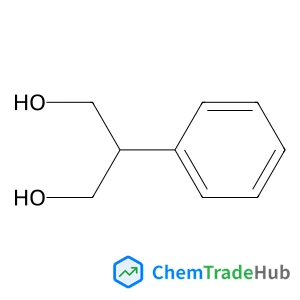
CAS Number
Related Products
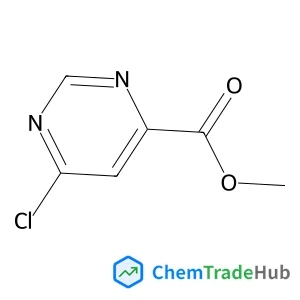
Methyl 6-chloro-4-pyrimidinecarboxylate
CAS Number: 6627-22-1
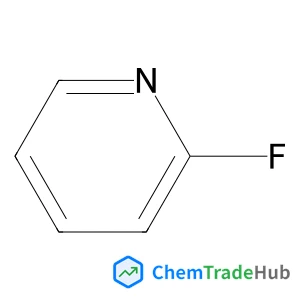
2-Fluoropyridine
CAS Number: 372-48-5
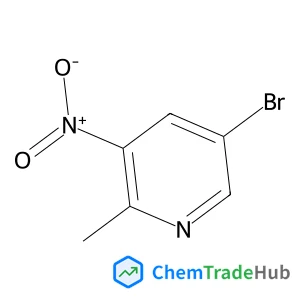
5-Bromo-2-methyl-3-nitropyridine
CAS Number: 911434-05-4
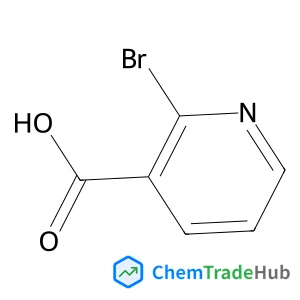
2-Bromonicotinic acid
CAS Number: 35905-85-2
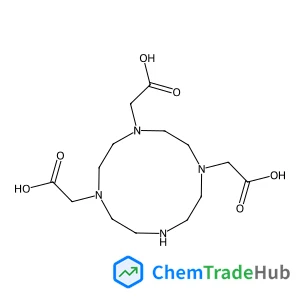
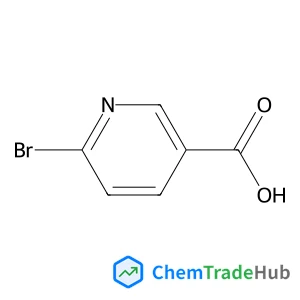
6-Bromonicotinic acid
CAS Number: 6311-35-9

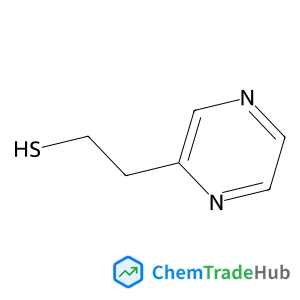
2-(2-Pyrazinyl)ethanethiol
CAS Number: 35250-53-4
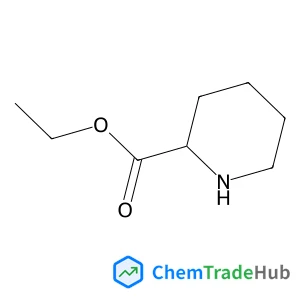
Ethyl 2-piperidinecarboxylate
CAS Number: 15862-72-3
Other Suppliers for 2-Phenyl-1,3-propanediol



Basic Information
Molecular Formula
C9H12O2
Molecular Weight
152.19 g/mol
Physical Properties
Melting Point
50.0 to 54.0 deg-C
Boiling Point
310.6℃ at 760 mmHg
Density
1.131
Flash Point
153.8 °C
Chemical Identifiers
SMILES
C1=CC=C(C=C1)C(CO)CO
InChIKey
BPBDZXFJDMJLIB-UHFFFAOYSA-N
Database References
MDL Number
MFCD00236056
FAQ
2-Phenyl-1,3-propanediol is an organic compound with the chemical formula C9H12O2. It is a colorless, slightly viscous liquid with a distinctive odor. This compound is used in various applications due to its hydroxyl and phenyl groups, which provide it with unique chemical properties.
2-Phenyl-1,3-propanediol is primarily used as a precursor in the synthesis of other chemical compounds, particularly in pharmaceuticals and agrochemicals. It is also utilized as a solvent in certain industrial applications and as a component in the formulation of personal care products.
2-Phenyl-1,3-propanediol is generally considered safe for industrial and pharmaceutical use, but it should be handled with care. It is mildly toxic if ingested or inhaled and can cause skin irritation. Proper protective equipment, such as gloves and safety glasses, should be worn during handling. Storage should be in a cool, well-ventilated area, away from heat sources and direct sunlight.
2-Phenyl-1,3-propanediol should be stored in a tightly sealed container at a temperature below 30°C (86°F) and in a cool, dry, well-ventilated area, away from heat, moisture, and direct sunlight. It should be kept away from incompatible materials and ignition sources. The container should be checked regularly for leakage and integrity. Avoid using air-operated transfer pumps or compressed gas cylinders to minimize the risk of fire or explosion.
Safety Notice
Please verify product specifications and safety data before use. Contact the supplier for detailed safety information.
Always follow proper handling procedures
Contact Information
Contact Person
Manager Wang
hope2084@163.com