



AD
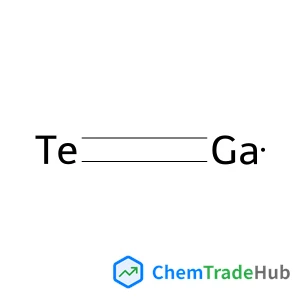
Gallium(II) telluride(CAS: 12024-14-5)
CAS Number
Related Products
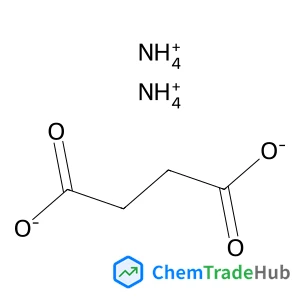
Ammonium succinate
CAS Number: 2226-88-2
![[2,2'-Biquinoline]-4,4'-dicarboxylic acid, disodium salt](https://static.chemtradehub.com/structs/979/979-88-4-02bd.webp)
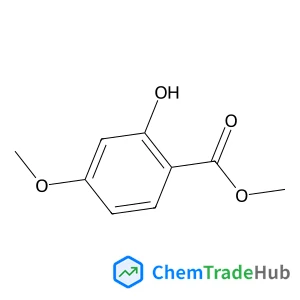
Methyl 2-hydroxy-4-methoxybenzoate
CAS Number: 5446-02-6
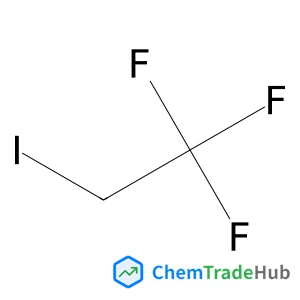
1,1,1-trifluoro-2-iodoethane
CAS Number: 353-83-3
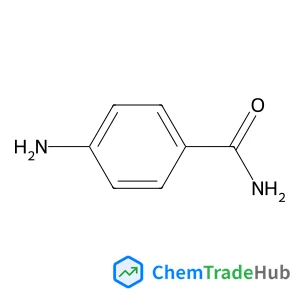
4-Aminobenzamide
CAS Number: 2835-68-9
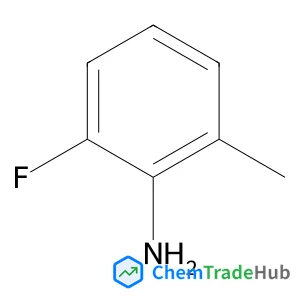
2-Fluoro-6-methylaniline
CAS Number: 443-89-0
Other Suppliers for Gallium(II) telluride





Basic Information
Molecular Formula
GaTe
Molecular Weight
197.32 g/mol
EINECS
234-690-1
Physical Properties
Melting Point
824°C
Boiling Point
°Cat760mmHg
Density
5.440
Flash Point
°C
Water Solubility
Insoluble in water.
Chemical Identifiers
SMILES
[Ga]=[Te]
InChIKey
OFIYHXOOOISSDN-UHFFFAOYSA-N
Database References
MDL Number
MFCD00135536
FAQ
Gallium(II) telluride (CAS: 12024-14-5) is a semiconductor material with a tetragonal crystal structure. It has a high bandgap of approximately 1.45 eV, making it suitable for infrared applications. The molecular weight is around 243.87 g/mol. It is poorly soluble in water but dissolves in strong acids. Gallium(II) telluride is chemically stable under normal conditions but reacts with air at high temperatures to form gallium oxide and tellurium dioxide.
Gallium(II) telluride is usually synthesized by reacting gallium metal with tellurium metal at high temperatures. An alternative method involves the co-evaporation of gallium and tellurium onto a substrate. Both methods require high purity starting materials and a controlled atmosphere to prevent contamination and oxidation of the products.
Gallium(II) telluride is primarily used in the semiconductor industry for infrared detectors and optical devices due to its high thermal conductivity and wide bandgap. It is also utilized in the production of solar cells and as a component in certain types of optical fibers. In research, it is used for studying semiconductor properties and in some pharmaceutical applications.
When handling Gallium(II) telluride (CAS: 12024-14-5), it is important to wear appropriate personal protective equipment (PPE) including gloves, goggles, and a lab coat. Work should be conducted in a fume hood to minimize exposure to dust. Spills should be cleaned up using appropriate procedures and materials. Always refer to the safety data sheet (SDS) for detailed instructions on handling, storage, and disposal.
Safety Notice
Please verify product specifications and safety data before use. Contact the supplier for detailed safety information.
Always follow proper handling procedures

Contact Information
Contact Person
Manager Liu
xiyashiji@163.com
Mobile
13395390286
Visit Website
https://www.xiyashiji.comAddress
Linshu County Economic and Technological Development Zone Chemical Park