



AD
(1R,2S,3r,4R,5S,6s)-1,2,3,4,5,6-Cyclohexanehexayl hexakis[dihydrogen (phosphate)](CAS: 83-86-3)
![(1R,2S,3r,4R,5S,6s)-1,2,3,4,5,6-Cyclohexanehexayl hexakis[dihydrogen (phosphate)]](https://static.chemtradehub.com/structs/83-/83-86-3-ad42.webp "(1R,2S,3r,4R,5S,6s)-1,2,3,4,5,6-Cyclohexanehexayl hexakis[dihydrogen (phosphate)]")
CAS Number
Related Products
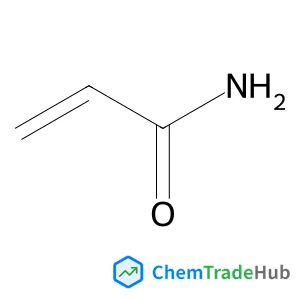
Acrylamide
CAS Number: 9003-05-8
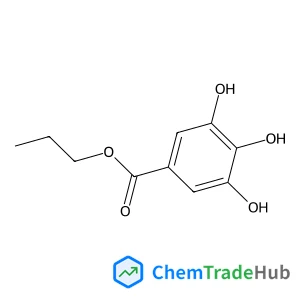
Propyl 3,4,5-trihydroxybenzoate
CAS Number: 121-79-9
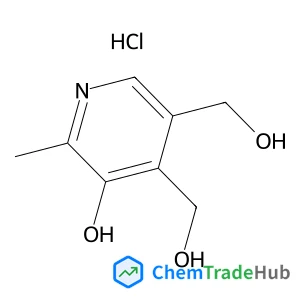
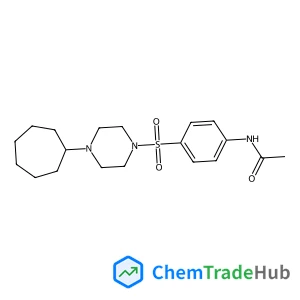
Thaumatin
CAS Number: 53850-34-3
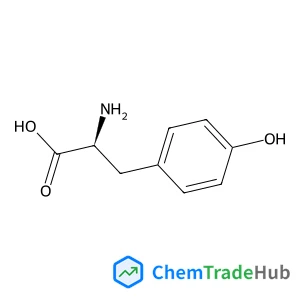
![1-Deoxy-1-(7,8-dimethyl-2,4-dioxo-3,4-dihydrobenzo[g]pteridin-10(2H)-yl)-D-ribitol](https://static.chemtradehub.com/structs/83-/83-88-5-5d5e.webp)
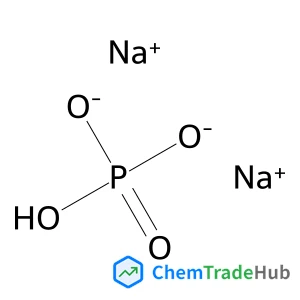
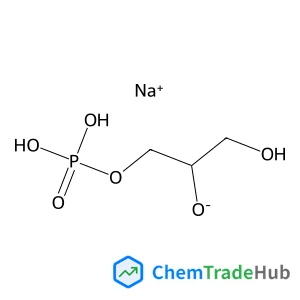
Disodium hydrogen phosphate
CAS Number: 7558-79-4
Other Suppliers for (1R,2S,3r,4R,5S,6s)-1,2,3,4,5,6-Cyclohexanehexayl hexakis[dihydrogen (phosphate)]
![(1R,2S,3r,4R,5S,6s)-1,2,3,4,5,6-Cyclohexanehexayl hexakis[dihydrogen (phosphate)] — Hubei Nona Technology Co., Ltd.](https://static.chemtradehub.com/suppliers/67ce946e2b2de6e8e95a4840/67ce946e2b2de6e8e95a4840-logo.webp)
![(1R,2S,3r,4R,5S,6s)-1,2,3,4,5,6-Cyclohexanehexayl hexakis[dihydrogen (phosphate)] — ShangHai PoDianDing Standard Technical Service Co., Ltd.](https://static.chemtradehub.com/suppliers/67ce6c0f2b2de6e8e95a457f/67ce6c0f2b2de6e8e95a457f-logo.webp)
Basic Information
Molecular Formula
C6H18O24P6
Molecular Weight
660.03 g/mol
Physical Properties
Boiling Point
105 °C
Density
1.432 g/mL at 25 °C
Flash Point
1190.666 °C at 760 mmHg
Water Solubility
MISCIBLE
Chemical Identifiers
SMILES
OP(=O)(O)O[C@H]1[C@H](OP(=O)(O)O)[C@@H](OP(=O)(O)O)[C@H](OP(=O)(O)O)[C@H](OP(=O)(O)O)[C@@H]1OP(=O)(O)O
InChIKey
IMQLKJBTEOYOSI-GPIVLXJGSA-N
Database References
MDL Number
MFCD00082309
FAQ
Phytic acid, also known as inositol hexakisphosphate, is a natural organic compound with the chemical formula C6H18O12P6. It is a white, crystalline powder soluble in water, commonly found in plant seeds. As a phosphate ester of inositol, it acts as a chelating agent and antioxidant. Its structure includes six phosphate groups attached to a cyclohexanehexanol backbone, making it unique in biochemistry. CAS 83-86-3 identifies this compound as a key component in food and industrial applications.
Phytic acid (CAS 83-86-3) is widely used in the food industry as a natural preservative and antioxidant. It is also employed in pharmaceuticals for its chelating properties, aiding in metal ion binding. In agriculture, it serves as a phosphorus source in animal feed. Additionally, it is used in research for studying its role in nutrient absorption and as a biodegradable additive. Its applications highlight its importance in both industrial and biological contexts.
Phytic acid (CAS 83-86-3) is generally recognized as safe (GRAS) for food use by regulatory agencies. However, high concentrations may cause gastrointestinal discomfort in some individuals. Proper handling, such as wearing gloves and avoiding inhalation, is recommended. It is non-toxic in moderate amounts but should be stored securely to prevent accidental exposure. Safety standards ensure its use in regulated quantities across industries.
Phytic acid (CAS 83-86-3) should be stored in a cool, dry place away from moisture and direct light. It is best kept in airtight containers to maintain stability and prevent degradation. Storage temperature should remain below 25°C, and humidity levels should be controlled to avoid clumping. Avoid exposure to heat and light to preserve its chemical integrity and prolong shelf life.
Safety Notice
Please verify product specifications and safety data before use. Contact the supplier for detailed safety information.
Always follow proper handling procedures