



AD
(4-Chloro-2-methylphenyl)boronic acid(CAS: 209919-30-2)
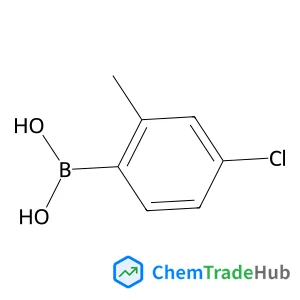
CAS Number
Related Products
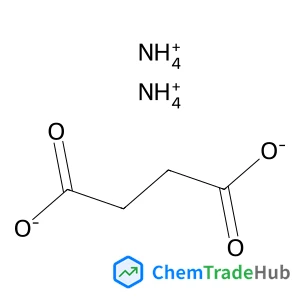
Ammonium succinate
CAS Number: 2226-88-2
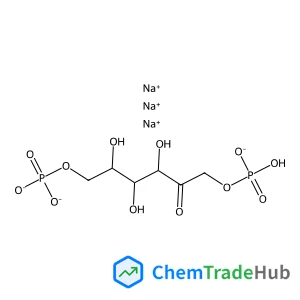
![[2,2'-Biquinoline]-4,4'-dicarboxylic acid, disodium salt](https://static.chemtradehub.com/structs/979/979-88-4-02bd.webp)
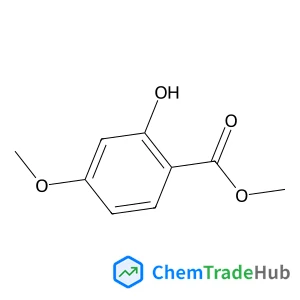
Methyl 2-hydroxy-4-methoxybenzoate
CAS Number: 5446-02-6
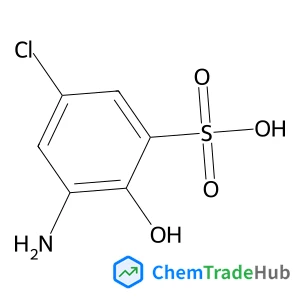
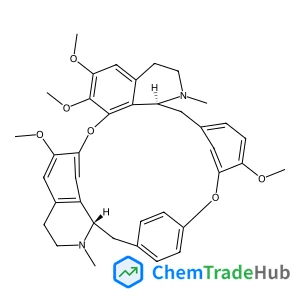
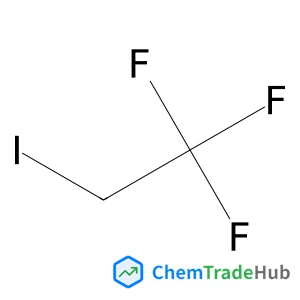
1,1,1-trifluoro-2-iodoethane
CAS Number: 353-83-3
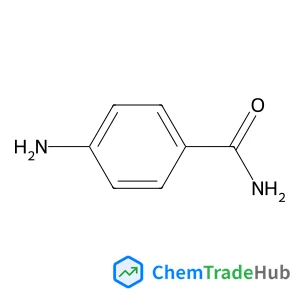
4-Aminobenzamide
CAS Number: 2835-68-9
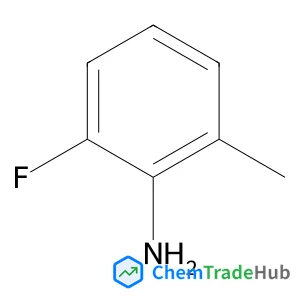
2-Fluoro-6-methylaniline
CAS Number: 443-89-0
Other Suppliers for (4-Chloro-2-methylphenyl)boronic acid



Basic Information
Molecular Formula
C7H8BClO2
Molecular Weight
170.4 g/mol
Physical Properties
Melting Point
193-195°C
Boiling Point
314.9 ºC at 760 mmHg
Density
1.26
Flash Point
144.2 ºC
Chemical Identifiers
SMILES
B(C1=C(C=C(C=C1)Cl)C)(O)O
InChIKey
SRXXSLUUAWHGBZ-UHFFFAOYSA-N
Database References
MDL Number
MFCD02683107
FAQ
The (4-Chloro-2-methylphenyl)boronic acid (CAS: 209919-30-2) is subject to regulatory guidelines such as REACH in the European Union, which requires registration and evaluation of chemicals. In the U.S., it is regulated by the EPA and may require notification to the FDA for certain applications. Users should adhere to local and international safety standards and guidelines to ensure compliance with relevant regulations.
Yes, alternatives to (4-Chloro-2-methylphenyl)boronic acid include other boronic acids like 4-fluoro-2-methylphenylboronic acid or 2-methylphenylboronic acid. These can be used as substitutes depending on the specific requirements of the synthesis process. Research on alternative reagents is ongoing, focusing on improving reactivity and reducing environmental impact.
The market for (4-Chloro-2-methylphenyl)boronic acid (CAS: 209919-30-2) is growing due to its utility in organic synthesis, particularly in Suzuki cross-coupling reactions. Research trends are focusing on its use in drug discovery and the development of more efficient synthetic methods. Price trends indicate steady demand with slight fluctuations based on supply and demand dynamics in the chemical market.
Waste containing (4-Chloro-2-methylphenyl)boronic acid should be collected in appropriate containers and disposed of through professional waste disposal services. Incineration is a common method, but users should ensure it meets the regulatory requirements. Environmental protection precautions include proper labeling, minimizing exposure, and adhering to local environmental regulations to prevent contamination of soil and water sources.
Safety Notice
Please verify product specifications and safety data before use. Contact the supplier for detailed safety information.
Always follow proper handling procedures

Contact Information
Contact Person
Manager Liu
xiyashiji@163.com
Mobile
13395390286
Visit Website
https://www.xiyashiji.comAddress
Linshu County Economic and Technological Development Zone Chemical Park