



AD
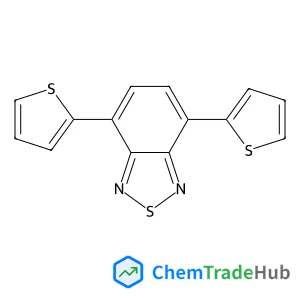
4,7-Di(2-thienyl)-2,1,3-benzothiadiazole(CAS: 165190-76-1)
CAS Number
Related Products

Ammonium succinate
CAS Number: 2226-88-2
![[2,2'-Biquinoline]-4,4'-dicarboxylic acid, disodium salt](https://static.chemtradehub.com/structs/979/979-88-4-02bd.webp)
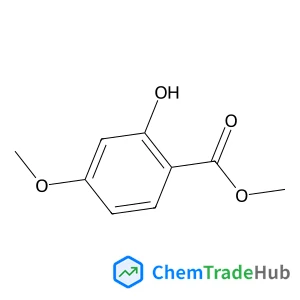
Methyl 2-hydroxy-4-methoxybenzoate
CAS Number: 5446-02-6

1,1,1-trifluoro-2-iodoethane
CAS Number: 353-83-3
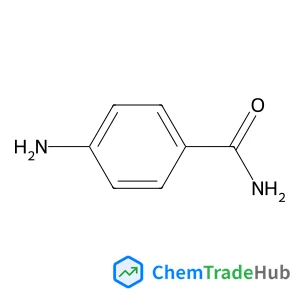
4-Aminobenzamide
CAS Number: 2835-68-9

2-Fluoro-6-methylaniline
CAS Number: 443-89-0
Other Suppliers for 4,7-Di(2-thienyl)-2,1,3-benzothiadiazole




Basic Information
Molecular Formula
C14H8N2S3
Molecular Weight
300.43 g/mol
Physical Properties
Melting Point
122.0 to 126.0 deg-C
Boiling Point
482.1°C at 760 mmHg
Chemical Identifiers
SMILES
c1cc(sc1)c2ccc(c3c2nsn3)c4cccs4
InChIKey
XGERJWSXTKVPSV-UHFFFAOYSA-N
Database References
MDL Number
MFCD18252231
FAQ
4,7-Di(2-thienyl)-2,1,3-benzothiadiazole (CAS: 165190-76-1) falls under various regulatory guidelines including GHS classification, REACH regulations, and FDA/EPA requirements. It is classified as a hazardous chemical, and users must comply with safety data sheets (SDS), Material Safety Data Sheets (MSDS), and follow specific handling and disposal procedures to ensure safety and environmental protection.
Several alternatives to 4,7-Di(2-thienyl)-2,1,3-benzothiadiazole (CAS: 165190-76-1) are available in synthesis, including 4,7-diphenyl-2,1,3-benzothiadiazole and 4,7-dimethyl-2,1,3-benzothiadiazole. These compounds offer similar properties and can be used as substitutes, depending on the specific requirements of the synthesis process.
4,7-Di(2-thienyl)-2,1,3-benzothiadiazole (CAS: 165190-76-1) is increasingly being explored in photovoltaic materials and electronic applications due to its unique photophysical properties. Research trends indicate a growing demand for this compound in the development of advanced organic solar cells and organic light-emitting diodes (OLEDs). Market trends suggest rising demand, driven by technological advancements and increasing applications in the field of organic electronics.
Waste containing 4,7-Di(2-thienyl)-2,1,3-benzothiadiazole (CAS: 165190-76-1) should be collected in a sealed, leak-proof container and stored in a well-ventilated area. For safe disposal, the waste should be incinerated or disposed of through professional waste management services. Environmental protection precautions include ensuring that no waste is released into the environment and that appropriate safety measures are taken during handling and disposal to prevent contamination and exposure to harmful chemicals.
Safety Notice
Please verify product specifications and safety data before use. Contact the supplier for detailed safety information.
Always follow proper handling procedures

Contact Information
Contact Person
Manager Liu
xiyashiji@163.com
Mobile
13395390286
Visit Website
https://www.xiyashiji.comAddress
Linshu County Economic and Technological Development Zone Chemical Park