



AD
1,4-Diaminobutane Dihydroiodide(CAS: 916849-52-0)
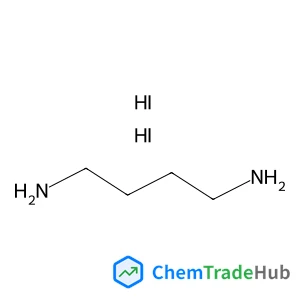
CAS Number
Related Products
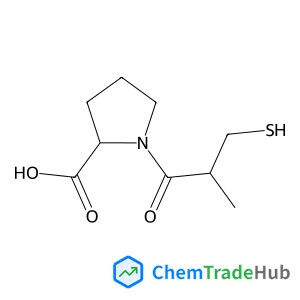
Captopril
CAS Number: 62571-86-2
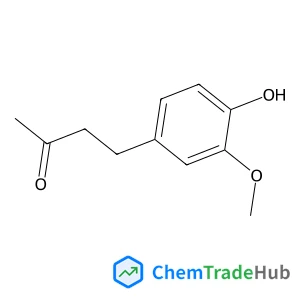
4-(4-Hydroxy-3-methoxyphenyl)-2-butanone
CAS Number: 122-48-5
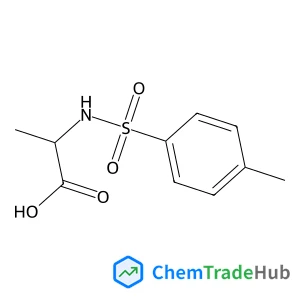
N-Tosyl-L-alanine
CAS Number: 21957-58-4
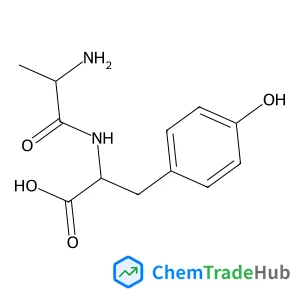
Alanyl-L-tyrosine
CAS Number: 3061-88-9
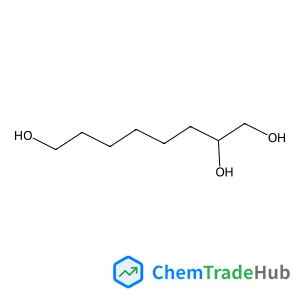
Octane-1,2,8-triol
CAS Number: 382631-43-8
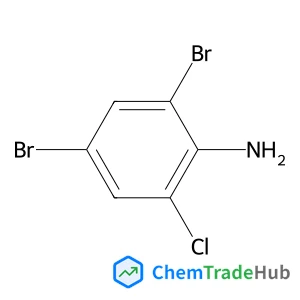
2,4-Dibromo-6-chloroaniline
CAS Number: 874-18-0
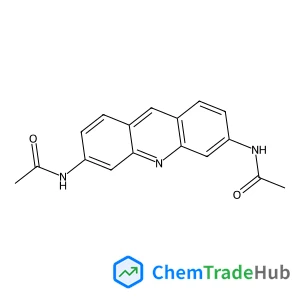
N,N'-3,6-Acridinediyldiacetamide
CAS Number: 15724-70-6
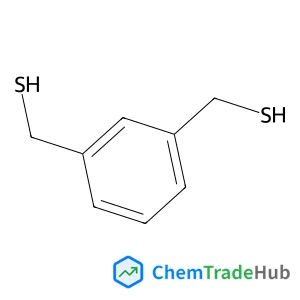
1,3-Phenylenedimethanethiol
CAS Number: 41563-69-3
Other Suppliers for 1,4-Diaminobutane Dihydroiodide





Basic Information
Molecular Formula
C4H14I2N2
Molecular Weight
343.98 g/mol
Chemical Identifiers
SMILES
C(CCN)CN.I.I
InChIKey
XZUCBFLUEBDNSJ-UHFFFAOYSA-N
Database References
MDL Number
MFCD32062897
FAQ
1,4-Diaminobutane Dihydroiodide (CAS: 916849-52-0) is regulated under the Globally Harmonized System (GHS) for Classification and Labeling of Chemicals, which includes hazard communication requirements such as safety data sheets (SDS) and proper labeling. Additionally, it falls under the European Union's REACH regulations, requiring registrants to provide information on the properties of the substance and their safe use. The Food and Drug Administration (FDA) and Environmental Protection Agency (EPA) also have specific requirements for handling and disposal to ensure environmental safety and human health protection.
There are several alternatives to 1,4-Diaminobutane Dihydroiodide in its synthesis, such as 1,4-butanediamine and other diaminobutane derivatives. Common substitutes include 1,3-diaminopropane and 1,5-diaminopentane, which can provide similar functionalities but with different physical and chemical properties. The choice of alternative reagents depends on the specific application, availability, and cost.
The market for 1,4-Diaminobutane Dihydroiodide (CAS: 916849-52-0) is currently stable, with increasing research interest in its use as a precursor in organic synthesis and polymer chemistry. Recent trends indicate a growing focus on sustainable and eco-friendly chemical processes, which may drive demand for 1,4-Diaminobutane Dihydroiodide as it is used in the synthesis of biodegradable polymers. Additionally, the compound's potential in pharmaceutical applications is being explored, contributing to its market growth.
Waste containing 1,4-Diaminobutane Dihydroiodide (CAS: 916849-52-0) should be collected and stored in appropriate containers that are leak-proof and compatible with the waste material. It is essential to ensure proper labeling and segregate waste based on its chemical nature. For disposal, it is advisable to consult local waste management regulations and dispose of the waste through professional chemical waste disposal services. Incineration or chemical treatment may be necessary to minimize environmental impact, and environmental protection precautions should always be observed to prevent contamination of soil and water sources.
Safety Notice
Please verify product specifications and safety data before use. Contact the supplier for detailed safety information.
Always follow proper handling procedures
Contact Information
Contact Person
Zhang Zeyuan
Sales-CN@TCIchemicals.com