



AD
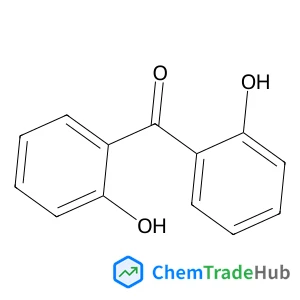
Bis(2-hydroxyphenyl)methanone(CAS: 835-11-0)
CAS Number
Related Products
![3-[4-Fluoro-2-(trifluoromethyl)phenyl]propanoic acid](https://static.chemtradehub.com/structs/916/916420-73-0-ee37.webp)
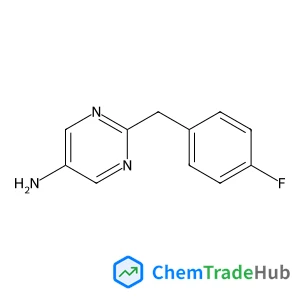
2-(4-Fluorobenzyl)-5-pyrimidinamine
CAS Number: 1152557-45-3
![Methyl [4-cyano-3-(3-thienyl)-1H-pyrazol-1-yl]acetate](https://static.chemtradehub.com/structs/209/2098083-01-1-68bf.webp)
![3-[4-Cyclopentyl-5-(methylsulfanyl)-4H-1,2,4-triazol-3-yl]-1-propanamine hydroiodide (1:1)](https://static.chemtradehub.com/structs/119/1197609-28-1-10f2.webp)
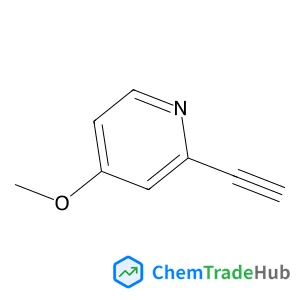
2-Ethynyl-4-methoxypyridine
CAS Number: 1211533-95-7
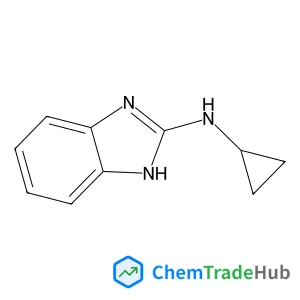
N-Cyclopropyl-1H-benzimidazol-2-amine
CAS Number: 941266-08-6
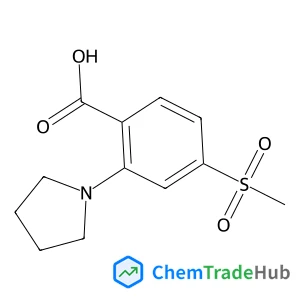
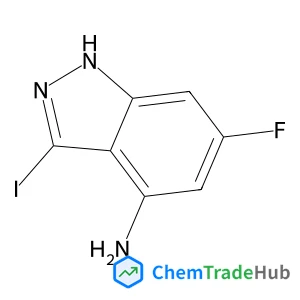
4-AMINO-6-FLUORO-3-IODO (1H)INDAZOLE
CAS Number: 885523-02-4
Other Suppliers for Bis(2-hydroxyphenyl)methanone



Basic Information
Molecular Formula
C13H10O3
Molecular Weight
214.22 g/mol
Physical Properties
Melting Point
61.0 to 64.0 deg-C
Boiling Point
333°C (estimate)
Density
1.1956 (rough estimate)
Flash Point
166.8°C
Chemical Identifiers
SMILES
Oc1ccccc1C(=O)c1ccccc1O
InChIKey
YIYBRXKMQFDHSM-UHFFFAOYSA-N
Database References
MDL Number
MFCD00002217
FAQ
Bis(2-hydroxyphenyl)methanone (CAS: 835-11-0) is a white to off-white solid with a molecular weight of approximately 228.14 g/mol. It is slightly soluble in water but more soluble in organic solvents like ethanol and acetone. Chemically, it is a ketone with two hydroxyl groups attached to the aromatic rings. It is relatively stable but can undergo hydrolysis under basic conditions. It shows moderate reactivity with nucleophiles and electrophiles, making it useful in various chemical reactions.
Bis(2-hydroxyphenyl)methanone is typically synthesized through the condensation of two equivalents of 2-hydroxybenzaldehyde using a coupling agent like triphenylphosphine in the presence of sodium hydroxide. This method provides good yield and selectivity. Other methods include the reaction of phenol with formaldehyde followed by oxidation, although this route is less common and less efficient.
Bis(2-hydroxyphenyl)methanone (CAS: 835-11-0) is used in various industries. It is a key intermediate in the production of UV absorbers for the pharmaceutical and cosmetic industries. It is also used in the synthesis of polymers, particularly for thermosetting resins. Additionally, it finds applications in the development of sensors and semiconductors due to its photochemical and thermal properties.
When handling Bis(2-hydroxyphenyl)methanone (CAS: 835-11-0), wear appropriate personal protective equipment (PPE) such as gloves, goggles, and a lab coat. Work in a well-ventilated area or fume hood to minimize inhalation risks. If a spill occurs, immediately clean it up using appropriate absorbent materials and follow standard laboratory procedures for chemical spills. Always refer to the Safety Data Sheet (SDS) for detailed handling and emergency response guidelines.
Safety Notice
Please verify product specifications and safety data before use. Contact the supplier for detailed safety information.
Always follow proper handling procedures
Contact Information
3641133981@qq.com