



AD
2-(3,6-Dihydro-2H-thiopyran-4-yl)-4,4,5,5-tetramethyl-1,3,2-dioxaborolane(CAS: 862129-81-5)
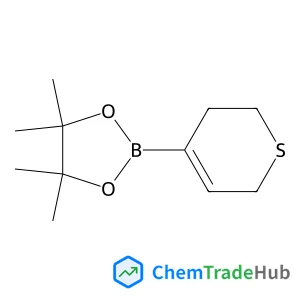
CAS Number
Related Products
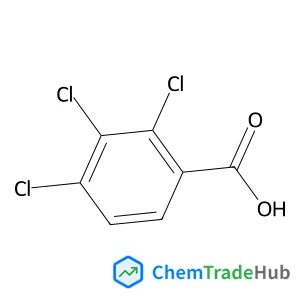
2,3,4-Trichlorobenzoic acid
CAS Number: 50-75-9
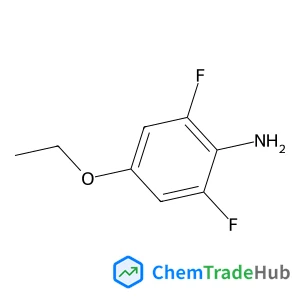
4-Ethoxy-2,6-difluoroaniline
CAS Number: 1017779-79-1
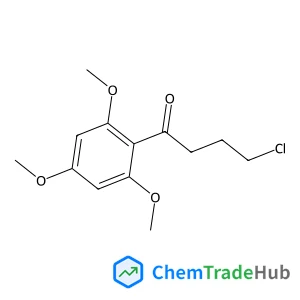
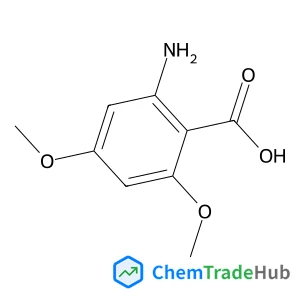
2-Amino-4,6-dimethoxybenzoic acid
CAS Number: 21577-57-1
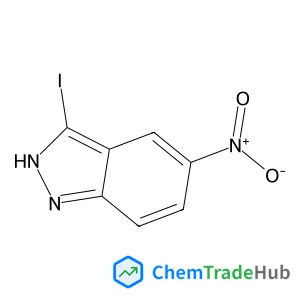
3-Iodo-5-nitro-1H-indazole
CAS Number: 70315-69-4
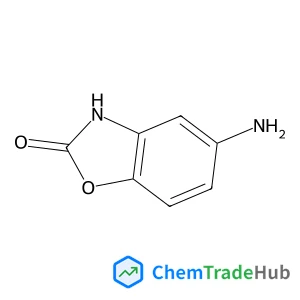
5-Amino-1,3-benzoxazol-2(3H)-one
CAS Number: 14733-77-8
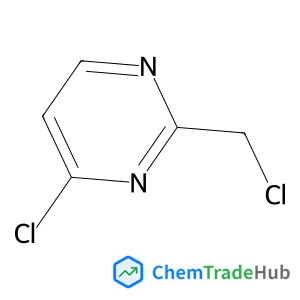
4-Chloro-2-(chloromethyl)pyrimidine
CAS Number: 3842-28-2
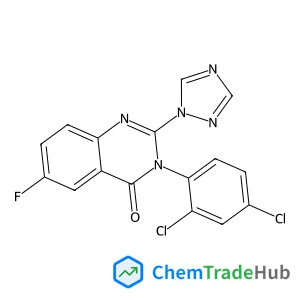
Fluquinconazole
CAS Number: 136426-54-5
Other Suppliers for 2-(3,6-Dihydro-2H-thiopyran-4-yl)-4,4,5,5-tetramethyl-1,3,2-dioxaborolane







Basic Information
Molecular Formula
C11H19BO2S
Molecular Weight
226.15 g/mol
Physical Properties
Boiling Point
281.1°C at 760 mmHg
Density
1.02
Flash Point
123.8°C
Chemical Identifiers
SMILES
CC1(C)OB(OC1(C)C)C2=CCSCC2
InChIKey
QZVRTORVCKGPPY-UHFFFAOYSA-N
Database References
MDL Number
MFCD10700154
FAQ
2-(3,6-Dihydro-2H-thiopyran-4-yl)-4,4,5,5-tetramethyl-1,3,2-dioxaborolane (CAS: 862129-81-5) requires adherence to the GHS classification for handling, storage, and transport. Additionally, it falls under the scope of the REACH regulations for the European Union, which involve registration, evaluation, authorization, and restriction of chemicals. In the United States, the FDA and EPA have specific guidelines and requirements for the usage and disposal of this compound, including proper labeling and documentation.
2-(3,6-Dihydro-2H-thiopyran-4-yl)-4,4,5,5-tetramethyl-1,3,2-dioxaborolane (CAS: 862129-81-5) can be replaced by other boron-containing compounds such as boronic acids or boronate esters. Alternative reagents like 2-(3,6-dihydro-2H-thiopyran-4-yl)-4,4,5,5-tetramethyl-1,3,2-dioxaborane may also serve as viable alternatives, depending on the specific synthetic pathway and desired product.
The market and research trend for 2-(3,6-Dihydro-2H-thiopyran-4-yl)-4,4,5,5-tetramethyl-1,3,2-dioxaborolane (CAS: 862129-81-5) is increasing due to its application in organic synthesis, particularly in the development of pharmaceuticals and materials. Research is focusing on its use in catalytic reactions, as well as its potential in drug discovery. Additionally, there is a growing trend towards sustainable and environmentally friendly synthesis methods, which may influence future demand.
Waste containing 2-(3,6-Dihydro-2H-thiopyran-4-yl)-4,4,5,5-tetramethyl-1,3,2-dioxaborolane (CAS: 862129-81-5) should be collected and disposed of in accordance with local and national regulations. It is recommended to use appropriate waste collection containers and label them clearly. For incineration, ensure it is done in a controlled and regulated manner to minimize environmental impact. Professional waste disposal services should be utilized, especially if the waste quantity is significant or the waste is classified as hazardous.
Safety Notice
Please verify product specifications and safety data before use. Contact the supplier for detailed safety information.
Always follow proper handling procedures
Contact Information
mkt@boynerspharm.com