



AD
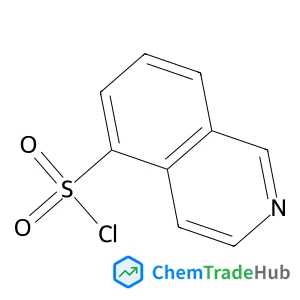
5-Isoquinolinesulfonyl chloride(CAS: 84468-15-5)
CAS Number
Related Products
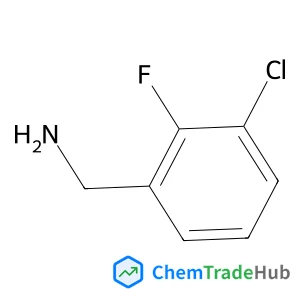
1-(3-Chloro-2-fluorophenyl)methanamine
CAS Number: 72235-55-3
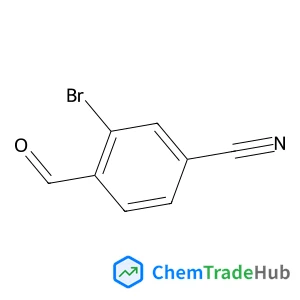
3-Bromo-4-formylbenzonitrile
CAS Number: 89891-69-0
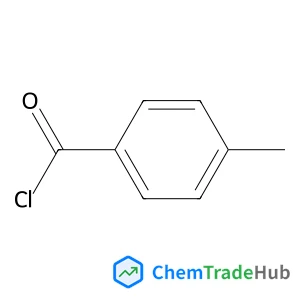
4-Methylbenzoyl chloride
CAS Number: 874-60-2
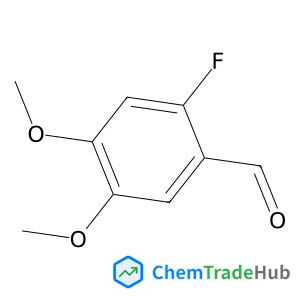
2-Fluoro-4,5-dimethoxybenzaldehyde
CAS Number: 71924-62-4
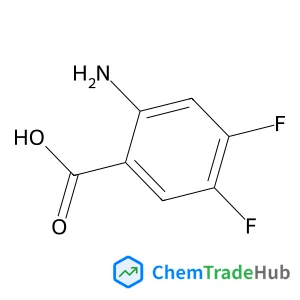
2-Amino-4,5-difluorobenzoic acid
CAS Number: 83506-93-8
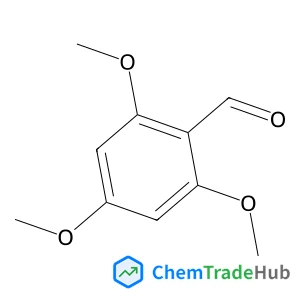
2,4,6-Trimethoxybenzaldehyde
CAS Number: 830-79-5
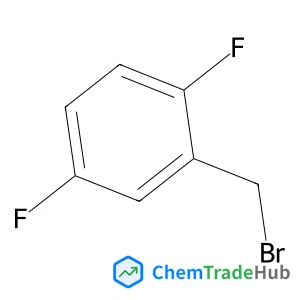
2-(Bromomethyl)-1,4-difluorobenzene
CAS Number: 85117-99-3
Other Suppliers for 5-Isoquinolinesulfonyl chloride






Basic Information
Molecular Formula
C9H6ClNO2S
Molecular Weight
227.67 g/mol
Physical Properties
Melting Point
173-183°C
Boiling Point
371.2°C at 760 mmHg
Density
1.483
Flash Point
178.3℃
Chemical Identifiers
SMILES
O=S(C1=CC=CC2=C1C=CN=C2)(Cl)=O
InChIKey
WHIDHHUCCTYJKA-UHFFFAOYSA-N
Database References
MDL Number
MFCD00270016
FAQ
5-Isoquinolinesulfonyl chloride (CAS: 84468-15-5) falls under the scope of several regulatory guidelines. According to the Globally Harmonized System of Classification and Labelling of Chemicals (GHS), it is classified as a skin and eye irritant. Specific regulations include the European Union's Registration, Evaluation, Authorisation and Restriction of Chemicals (REACH) and the United States Environmental Protection Agency (EPA) for environmental and health safety. Additionally, the US Food and Drug Administration (FDA) may have specific requirements for its use in pharmaceutical applications.
There are several alternatives to 5-Isoquinolinesulfonyl chloride in synthesis, including 4-Isoquinolinesulfonyl chloride and 6-Isoquinolinesulfonyl chloride. Other common reagents that can serve a similar purpose include aromatic sulfonyl chlorides like benzenesulfonyl chloride. These alternatives can vary in reactivity and selectivity, offering different synthetic routes depending on the specific application.
The market for 5-Isoquinolinesulfonyl chloride (CAS: 84468-15-5) is steadily growing, driven by its use as a building block in the synthesis of various pharmaceuticals and agrochemicals. Recent research trends focus on its application in developing novel drug candidates and improving existing drug formulations. Additionally, there is ongoing exploration of its potential in organic synthesis and material science, reflecting its versatile chemical properties.
Waste containing 5-Isoquinolinesulfonyl chloride (CAS: 84468-15-5) should be managed according to local regulations and guidelines. Typically, it should be collected in appropriate containers and disposed of through professional waste disposal services. Incineration is a common method for disposing of such waste, provided it is done in accordance with environmental protection standards. Environmental precautions include ensuring that all waste is neutralized to prevent environmental contamination before disposal.
Safety Notice
Please verify product specifications and safety data before use. Contact the supplier for detailed safety information.
Always follow proper handling procedures
Contact Information
info@chemik.com