



AD
Decyl D-glucopyranoside(CAS: 68515-73-1)
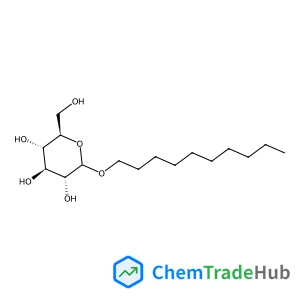
CAS Number
Related Products
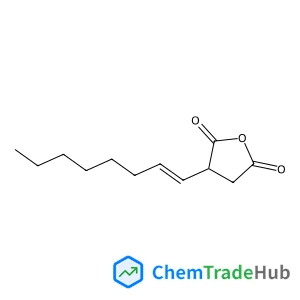
Octenyl succinic anhydride
CAS Number: 26680-54-6

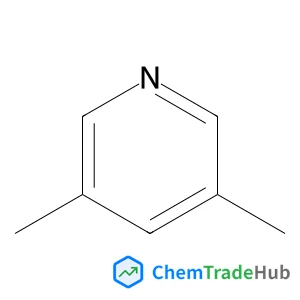
3,5-Dimethylpyridine
CAS Number: 591-22-0
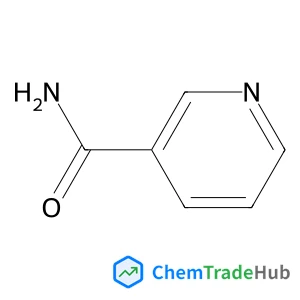
Niacinamide
CAS Number: 98-92-0

Poly(dimethylsiloxane)
CAS Number: 9016-00-6
Other Suppliers for Decyl D-glucopyranoside




Basic Information
Molecular Formula
C16H32O6
Molecular Weight
320.43 g/mol
Chemical Identifiers
SMILES
CCCCCCCCCCOC1[C@@H]([C@H]([C@@H]([C@H](O1)CO)O)O)O
InChIKey
JDRSMPFHFNXQRB-IWQYDBTJSA-N
Database References
MDL Number
MFCD23103077
FAQ
Decyl D-glucopyranoside (CAS: 68515-73-1) is subject to various regulatory guidelines including GHS (Global Harmonized System of Classification and Labelling of Chemicals) for classification and labelling. In Europe, it falls under REACH regulations, requiring registration of substances above a certain tonnage. In the United States, it is regulated by the FDA for food contact substances and by the EPA for environmental discharge concerns.
There are several alternatives to Decyl D-glucopyranoside (CAS: 68515-73-1) in synthesis, such as other glycosides like pentylglucoside or non-ionic surfactants like polysorbates, which can offer similar emulsifying properties but with different chemical structures and regulatory profiles.
The market for Decyl D-glucopyranoside (CAS: 68515-73-1) is growing due to its biodegradability and favorable safety profile, making it a popular choice in personal care and cleaning products. Research trends are focused on its applications in sustainable and eco-friendly formulations, as well as its potential in pharmaceutical and food industries.
Waste containing Decyl D-glucopyranoside (CAS: 68515-73-1) should be collected in appropriate containers and disposed of through a professional waste disposal service to ensure environmental safety. Incineration or chemical treatment methods may be used depending on local regulations, and proper precautions should be taken to prevent environmental contamination.
Safety Notice
Please verify product specifications and safety data before use. Contact the supplier for detailed safety information.
Always follow proper handling procedures