



AD
4,4'-Bis(5-hexyl-2-thienyl)-2,2'-bipyridine(CAS: 1047684-56-9)
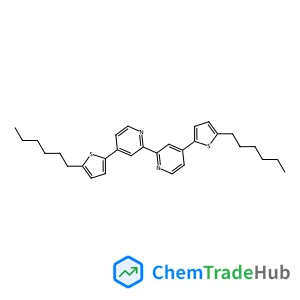
CAS Number
Related Products
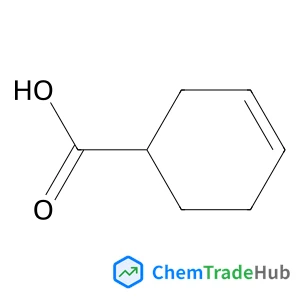
(1S)-3-Cyclohexene-1-carboxylic acid
CAS Number: 5708-19-0
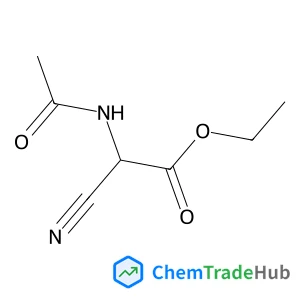
Ethyl Acetamidocyanoacetate
CAS Number: 4977-62-2
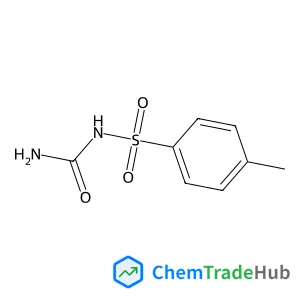
N-Carbamoyl-4-methylbenzenesulfonamide
CAS Number: 1694-06-0
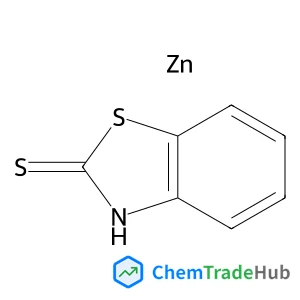
Zinc bis(1,3-benzothiazole-2-thiolate)
CAS Number: 155-04-4
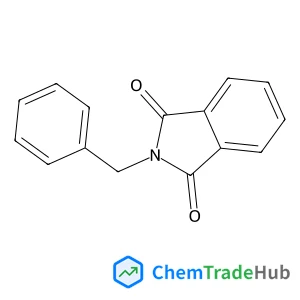
2-Benzyl-1H-isoindole-1,3(2H)-dione
CAS Number: 2142-01-0
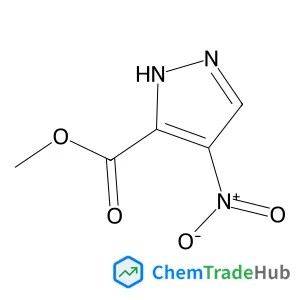
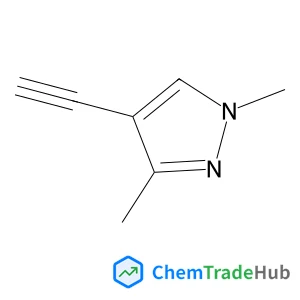
4-Ethynyl-1,3-dimethyl-1H-pyrazole
CAS Number: 61514-53-2
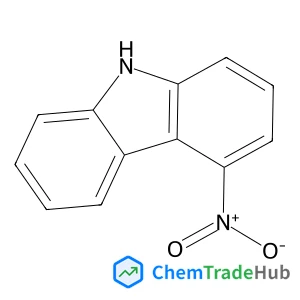
1-Nitro-9H-carbazole
CAS Number: 57905-76-7
Other Suppliers for 4,4'-Bis(5-hexyl-2-thienyl)-2,2'-bipyridine



Basic Information
Molecular Formula
C30H36N2S2
Molecular Weight
488.77 g/mol
Chemical Identifiers
SMILES
CCCCCCC1=CC=C(C2=CC(C3=NC=CC(C4=CC=C(CCCCCC)S4)=C3)=NC=C2)S1
InChIKey
DCFNCZSDXIPGOQ-UHFFFAOYSA-N
Database References
MDL Number
MFCD22581259
FAQ
4,4'-Bis(5-hexyl-2-thienyl)-2,2'-bipyridine (CAS: 1047684-56-9) is a crystalline compound with a molecular weight of approximately 468.42 g/mol. It has low solubility in water but good solubility in organic solvents such as dichloromethane and toluene. The compound is known for its photostability and high electron mobility, making it reactive in redox processes.
4,4'-Bis(5-hexyl-2-thienyl)-2,2'-bipyridine (CAS: 1047684-56-9) is synthesized through a sequential functionalization of 2,2'-bipyridine with hexyl thioether groups, typically using Grignard reagents or organometallic compounds as catalysts. The synthesis yields a product with high purity and selectivity, often achieving yields of over 80%.
4,4'-Bis(5-hexyl-2-thienyl)-2,2'-bipyridine (CAS: 1047684-56-9) is primarily used in the development of organic electronics, including organic light-emitting diodes (OLEDs) and solar cells, due to its excellent photophysical properties and electron mobility. It is also utilized in the pharmaceutical industry for its potential in electronic-based drug delivery systems and in polymer chemistry for the synthesis of new conductive polymers.
When handling 4,4'-Bis(5-hexyl-2-thienyl)-2,2'-bipyridine (CAS: 1047684-56-9), it is important to use appropriate personal protective equipment (PPE), including gloves, goggles, and a lab coat. Work should be conducted in a well-ventilated area or a fume hood to minimize inhalation risks. Spills should be cleaned up using appropriate absorbent materials and disposed of according to local hazardous waste regulations. It is advisable to consult the Material Safety Data Sheet (MSDS) for detailed safety information.
Safety Notice
Please verify product specifications and safety data before use. Contact the supplier for detailed safety information.
Always follow proper handling procedures
Contact Information
jacschem@163.com