



AD
3,4-Dihydro-2(1H)-quinoxalinone(CAS: 59564-59-9)
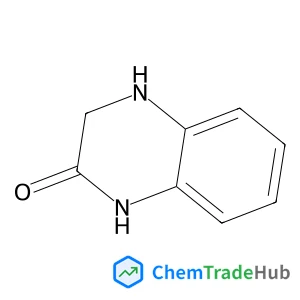
CAS Number
Related Products
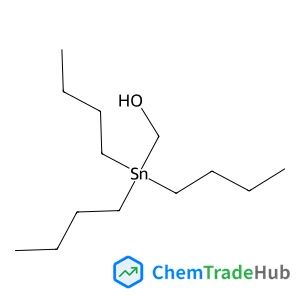
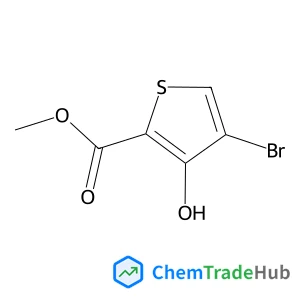
(Tributylstannyl)methanol
CAS Number: 27490-33-1

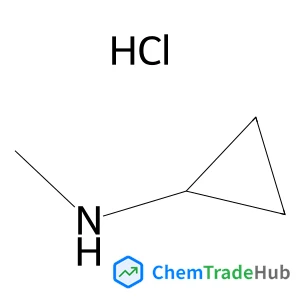
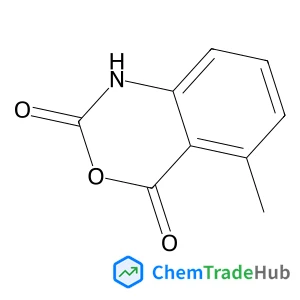
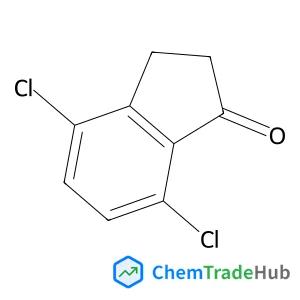
4,7-Dichloro-1-indanone
CAS Number: 52977-63-6
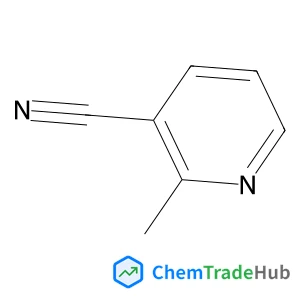
2-Methylnicotinonitrile
CAS Number: 1721-23-9
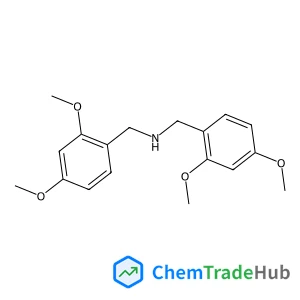
![Ethyl 5-bromo-2-({[(2-methyl-2-propanyl)oxy]carbonyl}amino)-3-thiophenecarboxylate](https://static.chemtradehub.com/structs/126/1260664-49-0-bc89.webp)
Other Suppliers for 3,4-Dihydro-2(1H)-quinoxalinone






Basic Information
Molecular Formula
C8H8N2O
Molecular Weight
148.17 g/mol
Physical State
Pale-yellow to Yellow-brown Solid
Physical Properties
Melting Point
140-143 ºC
Density
1.186±0.06 g/cm3 (20 ºC 760 Torr),
Chemical Identifiers
SMILES
C1C(=O)NC2=CC=CC=C2N1
InChIKey
HYTIPJFUWHYQON-UHFFFAOYSA-N
Database References
MDL Number
MFCD00204133
FAQ
3,4-Dihydro-2(1H)-quinoxalinone (CAS: 59564-59-9) is regulated under the Globally Harmonized System of Classification and Labeling of Chemicals (GHS) in terms of its physical and health hazards. Additionally, it falls under the European Union's Registration, Evaluation, Authorisation and Restriction of Chemicals (REACH) regulation for its safe handling and registration. The U.S. Environmental Protection Agency (EPA) and the Food and Drug Administration (FDA) also have specific guidelines related to the use and disposal of this compound in manufacturing and medical applications.
There are a few alternatives to 3,4-Dihydro-2(1H)-quinoxalinone (CAS: 59564-59-9) in synthesis, including 2-amino-5(4H)-quinolone and 1,2-dihydro-2H-quinoxalin-2-one. These analogs can be used as substitutes depending on the specific reaction conditions and desired properties. Common alternative reagents include 4-nitroquinoline-2-one and 2-hydroxyquinoline-2-one, which can offer similar functionalities in various synthetic pathways.
The market for 3,4-Dihydro-2(1H)-quinoxalinone (CAS: 59564-59-9) is growing due to its applications in pharmaceuticals, agrochemicals, and polymer science. Research trends are focusing on its potential as a precursor in the synthesis of quinoline derivatives and its role in developing new drugs. Market dynamics indicate increasing demand for this compound, driven by advancements in drug discovery and the need for novel materials in various industries.
Waste containing 3,4-Dihydro-2(1H)-quinoxalinone (CAS: 59564-59-9) should be collected in appropriate containers and stored under controlled conditions to prevent contamination and degradation. Proper incineration or professional waste disposal methods should be used for disposal. Environmental protection precautions include ensuring that waste is not released into the environment and that all handling procedures comply with local and international environmental regulations. Safe disposal ensures minimal impact on the environment and worker safety.
Safety Notice
Please verify product specifications and safety data before use. Contact the supplier for detailed safety information.
Always follow proper handling procedures
Contact Information
helen@struchem.com