



AD
2-Pentenedioic acid, 2-[2-[[(phenylmethoxy)carbonyl]amino]-4-thiazolyl]-, 5-(3-methyl-2-buten-1-yl) ester(CAS: 115065-79-7)
![2-Pentenedioic acid, 2-[2-[[(phenylmethoxy)carbonyl]amino]-4-thiazolyl]-, 5-(3-methyl-2-buten-1-yl) ester](https://static.chemtradehub.com/structs/115/115065-79-7-5e0a.webp "2-Pentenedioic acid, 2-[2-[[(phenylmethoxy)carbonyl]amino]-4-thiazolyl]-, 5-(3-methyl-2-buten-1-yl) ester")
CAS Number
Related Products
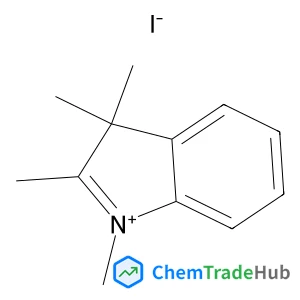
1,2,3,3-Tetramethyl-3H-indolium iodide
CAS Number: 5418-63-3
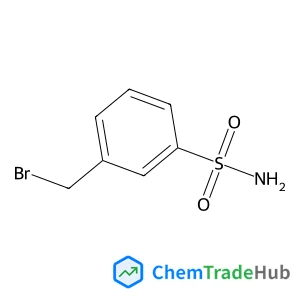
3-(Bromomethyl)benzenesulfonamide
CAS Number: 220798-52-7
![3,3'-(1,1,1,3,3,3-Hexafluoro-2,2-propanediyl)bis[6-(allyloxy)aniline]](https://static.chemtradehub.com/structs/257/2573217-07-7-f3dd.webp)
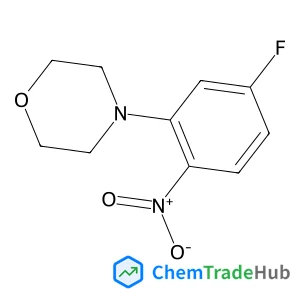
4-(5-Fluoro-2-nitrophenyl)morpholine
CAS Number: 536977-34-1

Other Suppliers for 2-Pentenedioic acid, 2-[2-[[(phenylmethoxy)carbonyl]amino]-4-thiazolyl]-, 5-(3-methyl-2-buten-1-yl) ester
![2-Pentenedioic acid, 2-[2-[[(phenylmethoxy)carbonyl]amino]-4-thiazolyl]-, 5-(3-methyl-2-buten-1-yl) ester — ZheJiangYongNingYaoYe Inc](https://static.chemtradehub.com/suppliers/67cecb032b2de6e8e95a58f8/67cecb032b2de6e8e95a58f8-logo.webp)
![2-Pentenedioic acid, 2-[2-[[(phenylmethoxy)carbonyl]amino]-4-thiazolyl]-, 5-(3-methyl-2-buten-1-yl) ester — ShenZhenAiTaHuaXue Co Ltd](https://static.chemtradehub.com/suppliers/67ced0fb2b2de6e8e95a67fa/67ced0fb2b2de6e8e95a67fa-logo.webp)
![2-Pentenedioic acid, 2-[2-[[(phenylmethoxy)carbonyl]amino]-4-thiazolyl]-, 5-(3-methyl-2-buten-1-yl) ester — JiangSuAiKangShengWuYiYaoYanFa Co Ltd](https://static.chemtradehub.com/suppliers/67cec9452b2de6e8e95a52fa/67cec9452b2de6e8e95a52fa-logo.webp)
Basic Information
Molecular Formula
C21H22N2O6S
Molecular Weight
430.5 g/mol
Chemical Identifiers
SMILES
CC(=CCOC(=O)CC=C(C1=CSC(=N1)NC(=O)OCC2=CC=CC=C2)C(=O)O)C
InChIKey
QSJNRPJXKFDFPH-LZYBPNLTSA-N
Database References
MDL Number
MFCD09750993
FAQ
This compound is subject to various regulatory guidelines. Under the Globally Harmonized System of Classification and Labelling of Chemicals (GHS), it should be classified and labeled appropriately based on its hazardous properties. In the European Union, it falls under REACH regulations, requiring registration and notification of manufacturers and importers. The FDA and EPA have additional requirements for the handling and disposal of this compound in the United States, including documentation and reporting of hazardous substances.
Alternatives to this compound include other thiazole derivatives or esters with different functional groups. Common isomers or analogs can be used, but the choice of alternative reagents depends on the desired properties and the specific application. Some common alternatives include 2-thiophenecarboxylic acid esters or other pentenedioic acid derivatives.
The market for this compound is primarily driven by its use in specialized pharmaceutical and biochemical applications. Recent research trends focus on its potential as an intermediate for the synthesis of bioactive molecules and its medicinal properties. Market trends indicate an increasing interest in its use in drug development and therapeutic applications, with a growing emphasis on green chemistry and sustainable synthesis methods.
Waste containing this compound should be collected and stored in appropriate containers to prevent contamination. Incineration is a common disposal method, but professional waste disposal services should be used for larger quantities. Environmental protection precautions include neutralizing any acidic or basic components and ensuring proper ventilation during handling. Local regulations should be followed, and hazardous waste disposal guidelines must be adhered to ensure compliance with safety and environmental standards.
Safety Notice
Please verify product specifications and safety data before use. Contact the supplier for detailed safety information.
Always follow proper handling procedures
Contact Information
Contact Person
Zhang Manager
angela@labgogo.com