



AD
Methyl 1-cyclopentene-1-carboxylate(CAS: 25662-28-6)
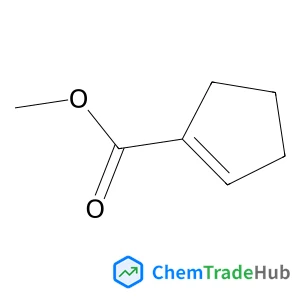
CAS Number
Related Products
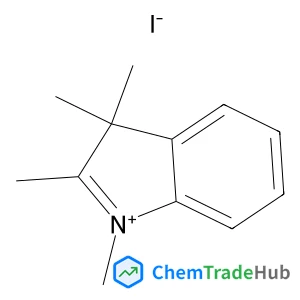
1,2,3,3-Tetramethyl-3H-indolium iodide
CAS Number: 5418-63-3
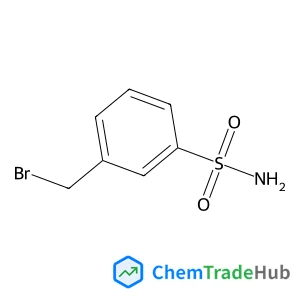
3-(Bromomethyl)benzenesulfonamide
CAS Number: 220798-52-7
![3,3'-(1,1,1,3,3,3-Hexafluoro-2,2-propanediyl)bis[6-(allyloxy)aniline]](https://static.chemtradehub.com/structs/257/2573217-07-7-f3dd.webp)
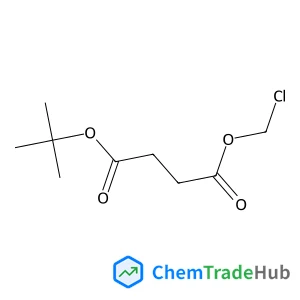
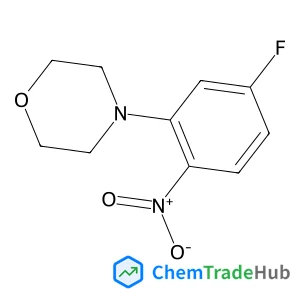
4-(5-Fluoro-2-nitrophenyl)morpholine
CAS Number: 536977-34-1
Other Suppliers for Methyl 1-cyclopentene-1-carboxylate






Basic Information
Molecular Formula
C7H10O2
Molecular Weight
126.16 g/mol
Physical State
White to pale yellow
Physical Properties
Boiling Point
76-78 °C/9 mmHg (lit.)
Density
1.031 g/mL at 20 °C (lit.)
Flash Point
135 °F
Chemical Identifiers
SMILES
COC(=O)C1=CCCC1
InChIKey
VTYCAXIAUKEGBQ-UHFFFAOYSA-N
Database References
MDL Number
MFCD00239506
Beilstein Registry Number
2040162
FAQ
Methyl 1-cyclopentene-1-carboxylate (CAS: 25662-28-6) is subject to the Globally Harmonized System of Classification and Labeling of Chemicals (GHS) for classification as a hazardous substance. In the European Union, it is regulated under REACH (Registration, Evaluation, Authorization and Restriction of Chemicals). The U.S. Food and Drug Administration (FDA) and Environmental Protection Agency (EPA) have specific guidelines for handling and disposal. Compliance with these regulations is essential for safe handling and transportation.
Alternative reagents to Methyl 1-cyclopentene-1-carboxylate (CAS: 25662-28-6) include other cycloalkyl carboxylates such as ethyl cyclohexane carboxylate or methyl butyl cyclopropanecarboxylate. These alternatives can be considered based on the specific reaction conditions and desired product. It is important to evaluate the reactivity, cost, and availability of these alternatives in synthetic processes.
The market for Methyl 1-cyclopentene-1-carboxylate (CAS: 25662-28-6) is driven by its use in organic synthesis as a precursor for various compounds. Recent research trends focus on its application in the development of pharmaceuticals and agrochemicals. Market trends show a steady demand, with price stability and increasing interest in sustainable and green chemistry approaches.
Waste containing Methyl 1-cyclopentene-1-carboxylate (CAS: 25662-28-6) should be collected in appropriate containers and stored in a cool, well-ventilated area. The waste should be disposed of through professional waste disposal services that comply with local regulations. Incineration or chemical neutralization may be necessary to ensure complete decomposition and to meet disposal requirements. It is crucial to follow proper environmental protection precautions to prevent contamination and ensure safe disposal.
Safety Notice
Please verify product specifications and safety data before use. Contact the supplier for detailed safety information.
Always follow proper handling procedures
Contact Information
Contact Person
Zhang Manager
angela@labgogo.com