



AD
(1R,2R,4R,5R)-2-(hydroxymethyl)-4-(6-hydroxypurin-9-yl)-6,6-dimethyl-3-oxabicyclo[3.1.0]hexane-1,5-diol(CAS: 2140-11-6)
![(1R,2R,4R,5R)-2-(hydroxymethyl)-4-(6-hydroxypurin-9-yl)-6,6-dimethyl-3-oxabicyclo[3.1.0]hexane-1,5-diol](https://static.chemtradehub.com/structs/214/2140-11-6-c0a9.webp "(1R,2R,4R,5R)-2-(hydroxymethyl)-4-(6-hydroxypurin-9-yl)-6,6-dimethyl-3-oxabicyclo[3.1.0]hexane-1,5-diol")
CAS Number
Related Products
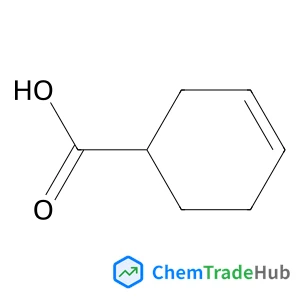
(1S)-3-Cyclohexene-1-carboxylic acid
CAS Number: 5708-19-0
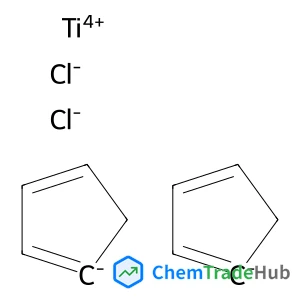
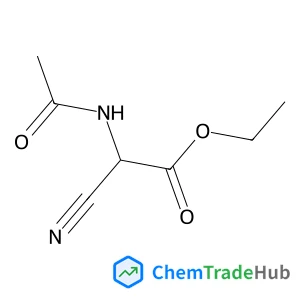
Ethyl Acetamidocyanoacetate
CAS Number: 4977-62-2
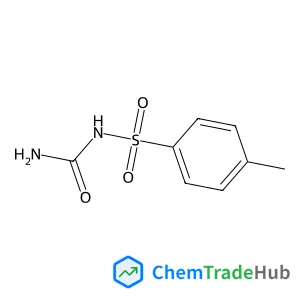
N-Carbamoyl-4-methylbenzenesulfonamide
CAS Number: 1694-06-0
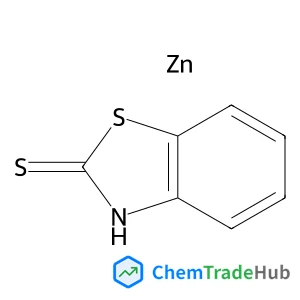
Zinc bis(1,3-benzothiazole-2-thiolate)
CAS Number: 155-04-4
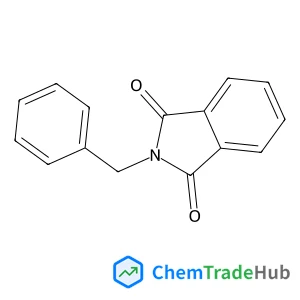
2-Benzyl-1H-isoindole-1,3(2H)-dione
CAS Number: 2142-01-0
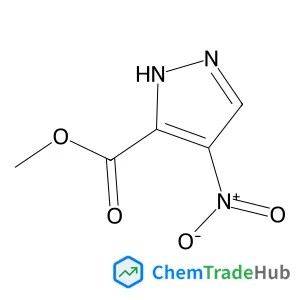
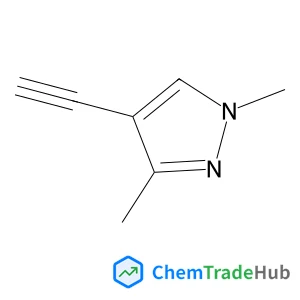
4-Ethynyl-1,3-dimethyl-1H-pyrazole
CAS Number: 61514-53-2
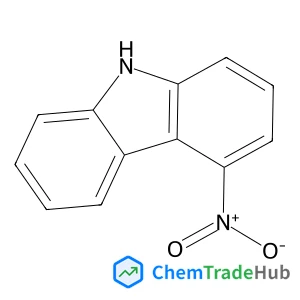
1-Nitro-9H-carbazole
CAS Number: 57905-76-7
Other Suppliers for (1R,2R,4R,5R)-2-(hydroxymethyl)-4-(6-hydroxypurin-9-yl)-6,6-dimethyl-3-oxabicyclo[3.1.0]hexane-1,5-diol
![(1R,2R,4R,5R)-2-(hydroxymethyl)-4-(6-hydroxypurin-9-yl)-6,6-dimethyl-3-oxabicyclo[3.1.0]hexane-1,5-diol — Hubei Zhenbo Chemical Industry Co., Ltd.](https://static.chemtradehub.com/suppliers/67ce8cf42b2de6e8e95a47e0/67ce8cf42b2de6e8e95a47e0-logo.webp)
![(1R,2R,4R,5R)-2-(hydroxymethyl)-4-(6-hydroxypurin-9-yl)-6,6-dimethyl-3-oxabicyclo[3.1.0]hexane-1,5-diol — JiangSuAiKangShengWuYiYaoYanFa Co Ltd](https://static.chemtradehub.com/suppliers/67cec9452b2de6e8e95a52fa/67cec9452b2de6e8e95a52fa-logo.webp)
![(1R,2R,4R,5R)-2-(hydroxymethyl)-4-(6-hydroxypurin-9-yl)-6,6-dimethyl-3-oxabicyclo[3.1.0]hexane-1,5-diol — ShangHaiMaiRuiErShengHua Technology Co Ltd](https://static.chemtradehub.com/suppliers/67ced3b52b2de6e8e95a6e52/67ced3b52b2de6e8e95a6e52-logo.webp)
Basic Information
Molecular Formula
C13H16N4O5
Molecular Weight
308.29 g/mol
Physical Properties
Melting Point
263-272°C
Boiling Point
606.6°C at 760 mmHg
Density
1.8
Flash Point
320.7 °C
Chemical Identifiers
SMILES
CC1(OC2C(OC(C2O1)N3C=NC4=C3N=CNC4=O)CO)C
InChIKey
UJEJQRXYNQBCMG-GDQJLZBOSA-N
Database References
MDL Number
MFCD00038002
FAQ
(1R,2R,4R,5R)-2-(hydroxymethyl)-4-(6-hydroxypurin-9-yl)-6,6-dimethyl-3-oxabicyclo[3.1.0]hexane-1,5-diol is a crystalline compound with a molecular weight of approximately 338.24 g/mol. It has a solubility of 0.15 g/L in water and is moderately soluble in organic solvents. The compound is known for its chemical stability and reactivity in nucleophilic substitution reactions.
(1R,2R,4R,5R)-2-(hydroxymethyl)-4-(6-hydroxypurin-9-yl)-6,6-dimethyl-3-oxabicyclo[3.1.0]hexane-1,5-diol is synthesized through a multi-step process involving the condensation of dimethyl 1,5-hydroxylactone with 6-hydroxypurine-9-yl chloride, followed by hydrogenation and hydroxylation steps. Common catalysts include platinum and palladium on carbon, with yields of up to 85%.
(1R,2R,4R,5R)-2-(hydroxymethyl)-4-(6-hydroxypurin-9-yl)-6,6-dimethyl-3-oxabicyclo[3.1.0]hexane-1,5-diol is primarily used in the pharmaceutical industry for its role as an intermediate in the production of purine-based drugs. It is also utilized in the development of sensors and semiconductors due to its unique chemical properties.
When handling (1R,2R,4R,5R)-2-(hydroxymethyl)-4-(6-hydroxypurin-9-yl)-6,6-dimethyl-3-oxabicyclo[3.1.0]hexane-1,5-diol, safety goggles and gloves are essential. This compound should be managed in a well-ventilated area or fume hood to minimize inhalation risks. Proper spill clean-up procedures should be followed, and the Material Safety Data Sheet (MSDS) should be consulted for detailed information on safe handling and disposal practices.
Safety Notice
Please verify product specifications and safety data before use. Contact the supplier for detailed safety information.
Always follow proper handling procedures
Contact Information
jacschem@163.com