



AD
2-Hydroxy-N-phenylbenzamide(CAS: 87-17-2)
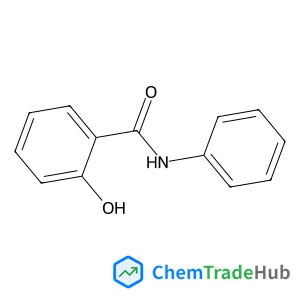
CAS Number
Related Products
![2-Methyl-2-propanyl [(2R)-1-hydroxy-2-propanyl]carbamate](https://static.chemtradehub.com/structs/106/106391-86-0-8397.webp)

3-Bromo-2,2-bis(bromomethyl)-1-propanol
CAS Number: 1522-92-5
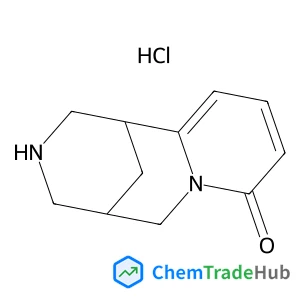
Cytisine hydrochloride
CAS Number: 6047-01-4
Atorvastatin Impurity 55
CAS Number: 141942-85-0
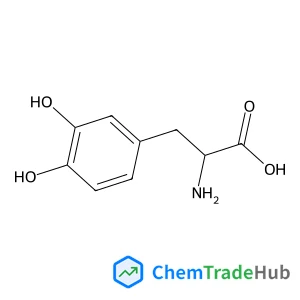
3-Hydroxy-D-tyrosine
CAS Number: 5796-17-8
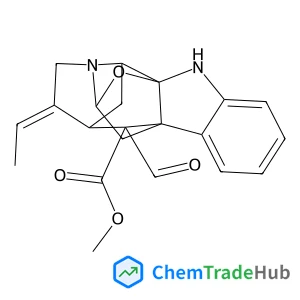
Picralinal
CAS Number: 20045-06-1
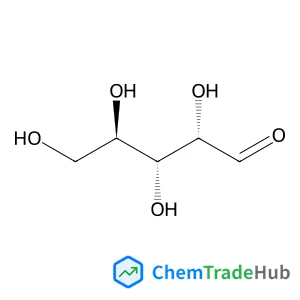
D-Arabinose
CAS Number: 9032-75-1
![(3aS,9R,9aS,9bS)-9-Hydroxy-6,9-dimethyl-3-methylene-3a,4,5,7,8,9,9a,9b-octahydroazuleno[4,5-b]furan-2(3H)-one](https://static.chemtradehub.com/structs/683/68370-47-8-daf4.webp)
Other Suppliers for 2-Hydroxy-N-phenylbenzamide





Basic Information
Molecular Formula
C13H11NO2
Molecular Weight
213.24 g/mol
Physical Properties
Melting Point
135.0 to 139.0 deg-C
Boiling Point
353.22°C (rough estimate)
Density
1.1544 (rough estimate)
Flash Point
294.3 °C at 760 mmHg
Chemical Identifiers
SMILES
Oc1ccccc1C(=O)Nc2ccccc2
InChIKey
WKEDVNSFRWHDNR-UHFFFAOYSA-N
Database References
MDL Number
MFCD00002212
FAQ
2-Hydroxy-N-phenylbenzamide (CAS: 87-17-2) must comply with various regulatory guidelines. It falls under the Globally Harmonized System of Classification and Labelling of Chemicals (GHS) as a category 3 sensitiser. In the European Union, it is regulated under REACH, requiring registration if manufactured or imported in quantities greater than 1 tonne per year. The U.S. FDA and EPA have specific requirements for its use and handling, including restrictions on its transport and disposal.
Several alternatives to 2-Hydroxy-N-phenylbenzamide (CAS: 87-17-2) exist in synthesis, including 2-Amino-N-phenylbenzamide, 2-Aminophenylacetic acid, and 2-Aminoanisole. These compounds can serve similar functions in certain reactions and may offer advantages such as improved solubility, reduced toxicity, or enhanced reactivity depending on the specific application.
The market for 2-Hydroxy-N-phenylbenzamide (CAS: 87-17-2) is driven by its use in pharmaceutical and cosmetic applications. Recent research trends indicate a focus on its potential as an anti-inflammatory agent and skin care ingredient. Market trends show a steady demand, with price stability and a growing emphasis on sustainable and eco-friendly production methods.
Waste containing 2-Hydroxy-N-phenylbenzamide (CAS: 87-17-2) should be collected in appropriate containers and stored in a cool, well-ventilated area away from ignition sources. The waste should be neutralized before disposal if necessary. Incineration or professional waste disposal services are recommended for safe disposal. Environmental protection measures include ensuring no spillage and proper documentation of the waste management process to comply with local regulations.
Safety Notice
Please verify product specifications and safety data before use. Contact the supplier for detailed safety information.
Always follow proper handling procedures
Contact Information
2423903095@qq.com