



AD
Dimethyl malonate(CAS: 108-59-8)
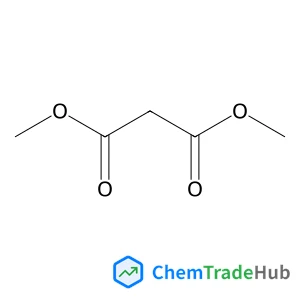
CAS Number
Related Products
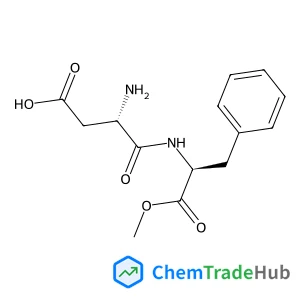
Aspartame
CAS Number: 22839-47-0
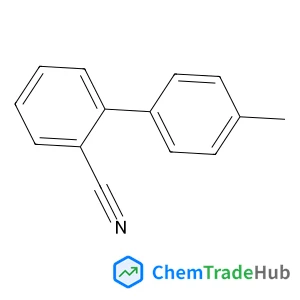
4'-Methylbiphenyl-2-carbonitrile
CAS Number: 114772-53-1
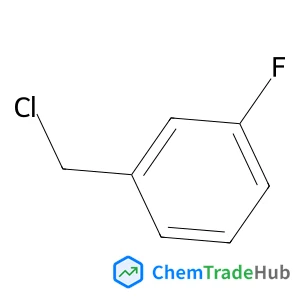
3-Fluorobenzyl Chloride
CAS Number: 456-42-8
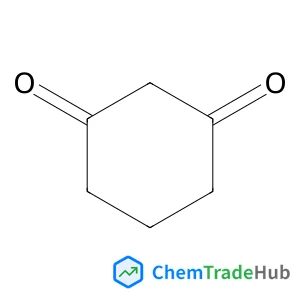
1,3-Cyclohexanedione
CAS Number: 504-02-9
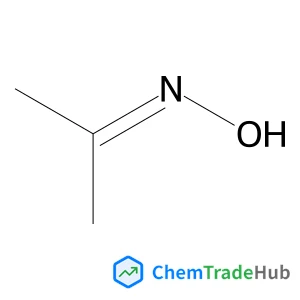
N-Hydroxy-2-propanimine
CAS Number: 127-06-0
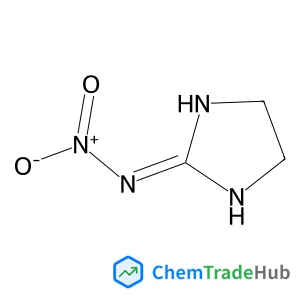
N-Nitro-4,5-dihydro-1H-imidazol-2-amine
CAS Number: 5465-96-3
Other Suppliers for Dimethyl malonate



Basic Information
Molecular Formula
C5H8O4
Molecular Weight
132.12 g/mol
Physical Properties
Melting Point
−62 °C (lit.)
Boiling Point
184°C
Chemical Identifiers
SMILES
COC(=O)CC(=O)OC
InChIKey
BEPAFCGSDWSTEL-UHFFFAOYSA-N
Database References
MDL Number
MFCD00008460
Beilstein Registry Number
774261
FAQ
Dimethyl malonate (CAS: 108-59-8) is a colorless liquid with the chemical formula C5H10O4. It is a derivative of malonic acid, featuring two methyl groups attached to the carboxylate functionalities. Known for its solubility in water and organic solvents, it is widely used in organic synthesis as a key intermediate. Its structure makes it reactive in nucleophilic and acid-catalyzed reactions, contributing to its importance in chemical research.
Dimethyl malonate (CAS: 108-59-8) is primarily used in the pharmaceutical industry for synthesizing drugs and bioactive compounds. It serves as a precursor in malonic ester synthesis, enabling the formation of carbon-carbon bonds. Applications also extend to pesticide production, plasticizer manufacturing, and food additive development. Researchers utilize it as a versatile reagent for organic reactions and structural modifications.
Dimethyl malonate (CAS: 108-59-8) is classified as moderately toxic and may cause skin and eye irritation. Handling precautions include using gloves, safety goggles, and ensuring proper ventilation to avoid inhalation risks. It is flammable, so storage away from heat sources is essential. Safety standards such as OSHA and EPA guidelines recommend careful handling to minimize health hazards during use.
Dimethyl malonate (CAS: 108-59-8) should be stored in a cool, dry place, ideally at 20-25°C, to maintain stability. It requires a tightly sealed container to prevent moisture and air exposure. Protection from light is necessary to avoid degradation, and storage in glass or HDPE bottles is recommended. Ensure proper ventilation and keep away from incompatible materials for long-term preservation.
Safety Notice
Please verify product specifications and safety data before use. Contact the supplier for detailed safety information.
Always follow proper handling procedures
Contact Information
Contact Person
Wu Ruixia
sddjrhhgyl@126.com