



AD
acetonitrile; 1,2,3,4,5-pentamethylcyclopenta-1,3-diene; ruthenium(+1) cation; hexafluorophosphate(CAS: 99604-67-8)
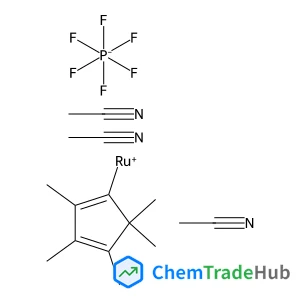
CAS Number
Related Products
![2-[(Aminooxy)sulfonyl]-1,3,5-trimethylbenzene](https://static.chemtradehub.com/structs/360/36016-40-7-8b96.webp)
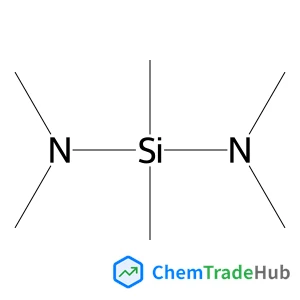
N,N,N',N',1,1-Hexamethylsilanediamine
CAS Number: 3768-58-9
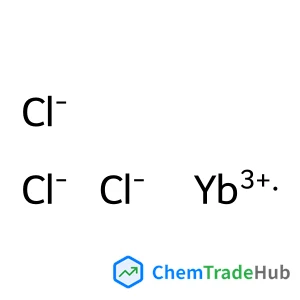
Ytterbium(3+) trichloride
CAS Number: 10361-91-8
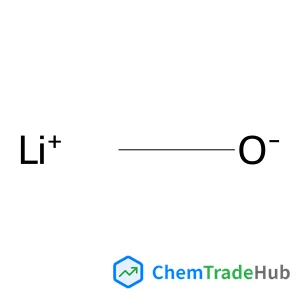
Lithium methanolate
CAS Number: 865-34-9
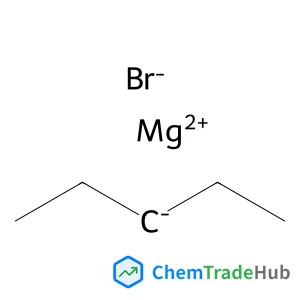
Bromo(3-pentanyl)magnesium
CAS Number: 4852-26-0
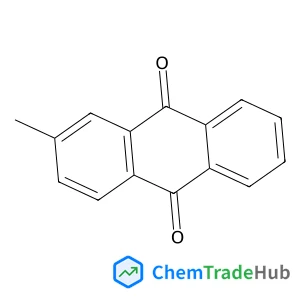
2-Methylanthraquinone
CAS Number: 84-54-8
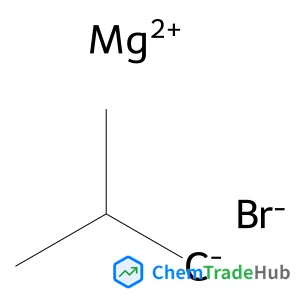
Isobutylmagnesium Bromide
CAS Number: 926-62-5
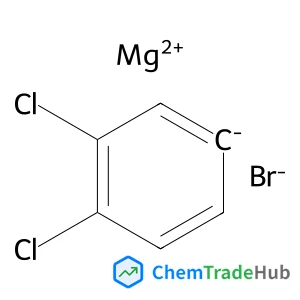
Bromo(3,4-dichlorophenyl)magnesium
CAS Number: 79175-35-2
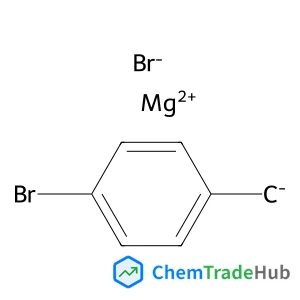
4-Bromobenzylmagnesium bromide
CAS Number: 92206-72-9
Other Suppliers for acetonitrile; 1,2,3,4,5-pentamethylcyclopenta-1,3-diene; ruthenium(+1) cation; hexafluorophosphate






Basic Information
Molecular Formula
C16H25F6N3PRu
Molecular Weight
504.42 g/mol
Physical Properties
Boiling Point
No data available
Chemical Identifiers
SMILES
F[P-](F)(F)(F)(F)F.CC1=C(C)C(C(=C1C)[Ru+])(C)C.CC#N.CC#N.CC#N
InChIKey
IYEMDYLFXFMECZ-UHFFFAOYSA-N
Database References
MDL Number
MFCD04117715
FAQ
Acetonitrile (CAS: 99604-67-8) is classified as a flammable liquid under the Globally Harmonized System (GHS) and is subject to strict safety and handling guidelines. In the European Union, it is regulated under REACH, and in the United States, it is covered by the Occupational Safety and Health Administration (OSHA) and the Environmental Protection Agency (EPA) regulations. Specific handling and storage guidelines must be adhered to ensure safety and compliance.
Yes, alternatives to acetonitrile (CAS: 99604-67-8) include other polar aprotic solvents like dimethyl sulfoxide (DMSO) or dimethylformamide (DMF). These alternatives can be used in various synthetic reactions depending on the specific requirements and reaction conditions. Additionally, water or other less toxic solvents may be considered for milder reactions.
The market for acetonitrile (CAS: 99604-67-8) is driven by its use in various industries, particularly in electronics, pharmaceuticals, and chemical synthesis. Research trends are shifting towards the development of more environmentally friendly solvents and the optimization of reaction conditions to minimize waste. Additionally, there is a growing interest in the use of acetonitrile in catalytic systems and in the purification of bioactive compounds.
Waste containing acetonitrile (CAS: 99604-67-8) should be collected in appropriate containers and stored separately to prevent contamination. The waste should be neutralized if necessary, then incinerated or disposed of through a professional hazardous waste disposal service. Environmental protection measures should include proper ventilation and the use of personal protective equipment (PPE) to ensure safety during waste handling and disposal processes.
Safety Notice
Please verify product specifications and safety data before use. Contact the supplier for detailed safety information.
Always follow proper handling procedures
Contact Information
sales1@spcscientific.com