



AD
7-Fluoro-3,4-dihydro-1(2H)-naphthalenone(CAS: 2840-44-0)
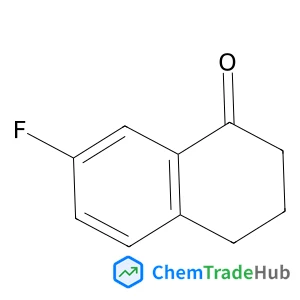
CAS Number
Related Products
![2-Methyl-2-propanyl [(2R)-1-hydroxy-2-propanyl]carbamate](https://static.chemtradehub.com/structs/106/106391-86-0-8397.webp)

3-Bromo-2,2-bis(bromomethyl)-1-propanol
CAS Number: 1522-92-5
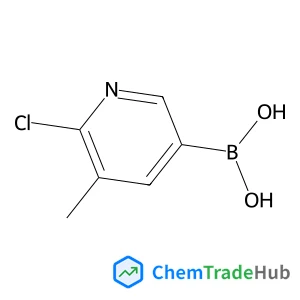
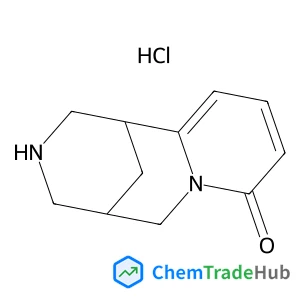
Cytisine hydrochloride
CAS Number: 6047-01-4
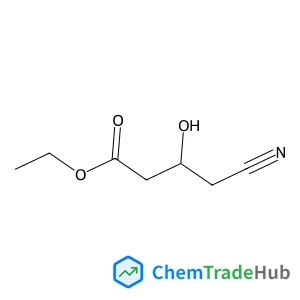
Atorvastatin Impurity 55
CAS Number: 141942-85-0
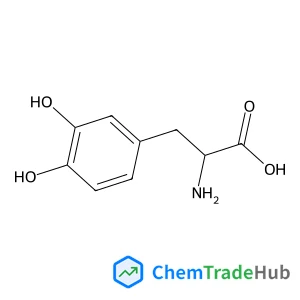
3-Hydroxy-D-tyrosine
CAS Number: 5796-17-8
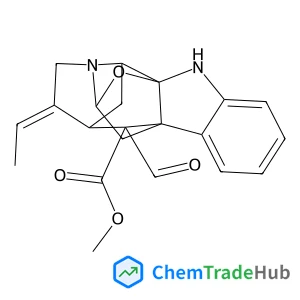
Picralinal
CAS Number: 20045-06-1
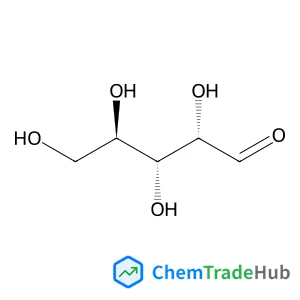
D-Arabinose
CAS Number: 9032-75-1
![(3aS,9R,9aS,9bS)-9-Hydroxy-6,9-dimethyl-3-methylene-3a,4,5,7,8,9,9a,9b-octahydroazuleno[4,5-b]furan-2(3H)-one](https://static.chemtradehub.com/structs/683/68370-47-8-daf4.webp)
Other Suppliers for 7-Fluoro-3,4-dihydro-1(2H)-naphthalenone




Basic Information
Molecular Formula
C10H9FO
Molecular Weight
164.18 g/mol
Physical Properties
Melting Point
61-66 °C
Boiling Point
258.1℃ at 760 mmHg
Density
1.198
Flash Point
99.5 oC
Chemical Identifiers
SMILES
C1CC2=C(C=C(C=C2)F)C(=O)C1
InChIKey
UCBYBFAJSWCTLG-UHFFFAOYSA-N
Database References
MDL Number
MFCD07375433
FAQ
7-Fluoro-3,4-dihydro-1(2H)-naphthalenone (CAS: 2840-44-0) is subject to the Globally Harmonized System of Classification and Labelling of Chemicals (GHS), which classifies it as a skin and eye irritant. It is also regulated under the European Union's REACH regulations, which require registration of substances above a certain tonnage threshold. In the United States, it is regulated by the FDA and EPA, which may require specific handling, storage, and disposal practices depending on its intended use.
While 7-fluoro-3,4-dihydro-1(2H)-naphthalenone is a specific compound, there are alternative reagents that can be used in similar synthetic pathways. For example, 8-fluoro-3,4-dihydro-1(2H)-naphthalenone and 7-chloro-3,4-dihydro-1(2H)-naphthalenone are close analogs that can serve as alternatives. Additionally, isomers such as 1H-naphthalen-1-ol can be used as substitute reagents in certain reactions.
The market for 7-fluoro-3,4-dihydro-1(2H)-naphthalenone is primarily driven by its use in medicinal chemistry and pharmaceutical research. Recent trends indicate increasing interest in fluoro-substituted compounds for developing novel drugs with improved pharmacological profiles. Research is also focusing on green chemistry approaches to reduce environmental impact and improve synthesis efficiency.
Waste containing 7-fluoro-3,4-dihydro-1(2H)-naphthalenone should be collected in appropriate containers and stored separately to prevent contamination. Incineration is a common disposal method, but professional waste disposal services are recommended to ensure compliance with environmental regulations. Proper incineration should be conducted in a controlled environment to minimize emissions. Additionally, environmental precautions should be taken to ensure the waste is disposed of in accordance with local, regional, and national environmental protection laws.
Safety Notice
Please verify product specifications and safety data before use. Contact the supplier for detailed safety information.
Always follow proper handling procedures
Contact Information
2423903095@qq.com