



AD
Ethyl L-valinate hydrochloride (1:1)(CAS: 17609-47-1)
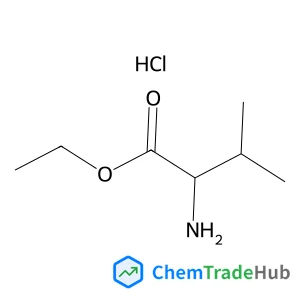
CAS Number
Related Products
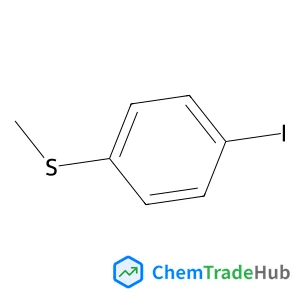
1-Iodo-4-(methylsulfanyl)benzene
CAS Number: 35371-03-0
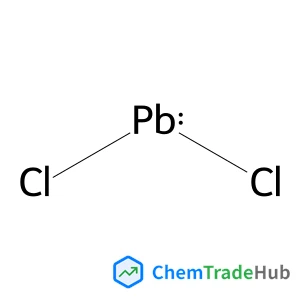
Dichloro-lambda~2~-plumbane
CAS Number: 7758-95-4
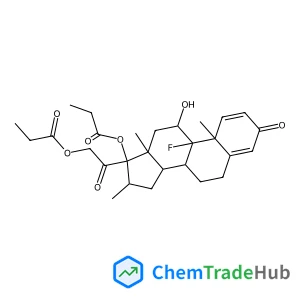
PUMICE STONE
CAS Number: 1332-09-8
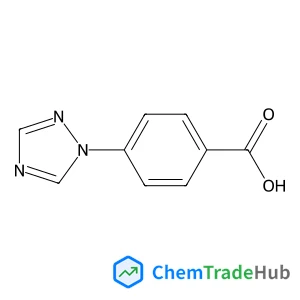
4-(1H-1,2,4-Triazol-1-yl)benzoic acid
CAS Number: 162848-16-0
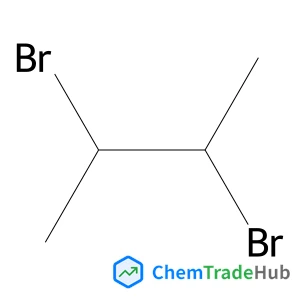
2,3-Dibromobutane
CAS Number: 5408-86-6
SOYBEAN MEAL
CAS Number: 68308-36-1
![2-Chloro-N-[2-(2,6-dioxo-3-piperidinyl)-1,3-dioxo-2,3-dihydro-1H-isoindol-4-yl]acetamide](https://static.chemtradehub.com/structs/444/444287-84-7-fa4b.webp)
Other Suppliers for Ethyl L-valinate hydrochloride (1:1)




Basic Information
Molecular Formula
C7H16ClNO2
Molecular Weight
181.66 g/mol
Physical Properties
Melting Point
104°C(lit.)
Boiling Point
212.5°C at 760 mmHg
Density
0.9450
Flash Point
42.7 °C
Chemical Identifiers
SMILES
CCOC(=O)C(C(C)C)N.Cl
InChIKey
PQGVTLQEKCJXKF-RGMNGODLSA-N
Database References
MDL Number
MFCD00012511
FAQ
Ethyl L-valinate hydrochloride (CAS: 17609-47-1) is subject to regulatory guidelines under the Globally Harmonized System of Classification and Labelling of Chemicals (GHS) for classification of hazards. In the European Union, it falls under the REACH regulations, which require registration of substances based on their tonnage. Additionally, the Food and Drug Administration (FDA) and Environmental Protection Agency (EPA) in the United States have specific requirements for the handling and use of this compound, including proper labeling and disposal practices.
There are several alternatives to Ethyl L-valinate hydrochloride (CAS: 17609-47-1) in synthesis. These include related amino acid derivatives such as Ethyl L-isoleucinate hydrochloride and Ethyl L-leucinate hydrochloride. Other substitutes can involve using isomers or analogs of L-valine, such as D-valine, to serve similar functional roles in various chemical processes.
The market for Ethyl L-valinate hydrochloride (CAS: 17609-47-1) is growing due to its applications in food additives and pharmaceuticals. Research trends are focused on its potential use as a flavor enhancer and as a precursor in the synthesis of other compounds. The increasing demand in the pharmaceutical industry for bioactive compounds is also driving market growth. However, price trends may fluctuate based on supply and demand dynamics and regulatory changes.
Waste containing Ethyl L-valinate hydrochloride (CAS: 17609-47-1) should be handled by collecting it in a suitable container and properly labeling it. The waste should then be disposed of through incineration or professional waste disposal services that comply with local regulations. Environmental protection measures include ensuring that the waste does not come into contact with water or soil, and that all safety precautions are observed during handling to prevent environmental contamination.
Safety Notice
Please verify product specifications and safety data before use. Contact the supplier for detailed safety information.
Always follow proper handling procedures
Contact Information
Contact Person
Ludu
order@canspecsci.com