



AD
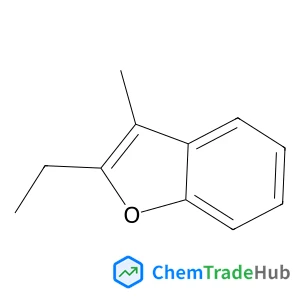
Peru balsam(CAS: 8007-00-9)
CAS Number
Related Products
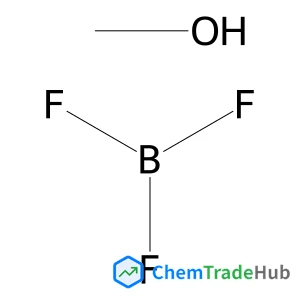
methanol; trifluoro-methoxy-boron
CAS Number: 2802-68-8
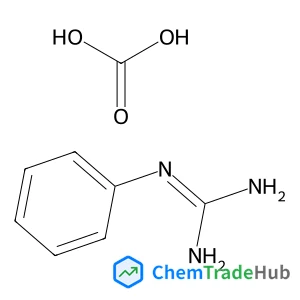
Carbonic acid - 1-phenylguanidine (1:1)
CAS Number: 6685-76-3
![1,7,7-Trimethylbicyclo[2.2.1]heptane-2,3-dione](https://static.chemtradehub.com/structs/103/10373-78-1-714c.webp)
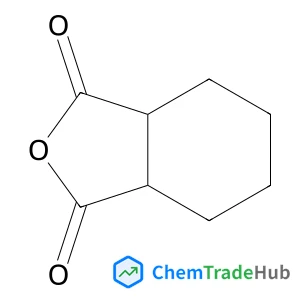
octahydro-2-benzofuran-1,3-dione
CAS Number: 85-42-7
![1-[(4xi)-beta-D-(~13~C_5_)-erythro-Pentofuranosyl]-1H-1,2,4-triazole-3-carboxamide](https://static.chemtradehub.com/structs/164/1646818-35-0-ea01.webp)
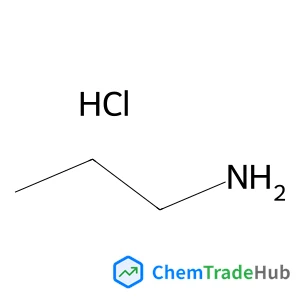
1-Propanamine hydrochloride (1:1)
CAS Number: 556-53-6
![1,1,2,2-Tetrafluoro-1-[2-(1,1,2,2-tetrafluoroethoxy)ethoxy]ethane](https://static.chemtradehub.com/structs/358/358-39-4-0089.webp)
Other Suppliers for Peru balsam




Basic Information
Molecular Formula
C11H12O
Molecular Weight
160.21 g/mol
Physical Properties
Melting Point
No date available
Boiling Point
314 °C(lit.)
Density
1.16 g/mL at 20 °C<br />1.161 g/mL at 25 °C(lit.)
Flash Point
>110 ºC
Chemical Identifiers
SMILES
O1C2C=CC=CC=2C(C)=C1CC
InChIKey
XYFFYNXZBWDIPL-UHFFFAOYSA-N
Database References
FAQ
Peru balsam (CAS: 8007-00-9) is a resinous substance with a characteristic aromatic odor. It is insoluble in water but soluble in organic solvents such as alcohol, ether, and chloroform. Its molecular weight is approximately 200-300 Da. Chemically, it is composed of various terpenes and resin acids. It is relatively stable but can react with strong oxidizing agents.
Peru balsam (CAS: 8007-00-9) is not typically synthesized from scratch but is mostly obtained from natural sources, such as the balsamopodium tree. However, synthetic routes have been developed using terpene precursors. Common methods involve the condensation of pinene with acetaldehyde in the presence of a base to form α-pinene oxide, followed by the reduction of the oxide to form a mixture of terpenes, which can then be purified to yield Peru balsam.
Peru balsam (CAS: 8007-00-9) is used in various industries. In the pharmaceutical industry, it serves as a base for ointments and creams. In the polymer industry, it is used as a plasticizer and in the production of resins. It is also utilized in the manufacturing of sensors and semiconductors due to its unique properties such as flexibility and adhesion. Additionally, it finds applications in the cosmetic and food industries.
When handling Peru balsam (CAS: 8007-00-9), it is important to wear appropriate personal protective equipment (PPE), including gloves, goggles, and a lab coat to protect against skin contact and eye irritation. Work should be conducted in a well-ventilated area or fume hood to avoid inhaling its volatile components. In case of a spill, use appropriate absorbents and dispose of them according to local regulations. Always refer to the Safety Data Sheet (SDS) for detailed information on handling and disposal.
Safety Notice
Please verify product specifications and safety data before use. Contact the supplier for detailed safety information.
Always follow proper handling procedures