



AD
(4-Aminophenyl)boronic acid(CAS: 89415-43-0)
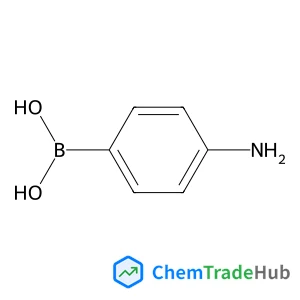
CAS Number
Related Products
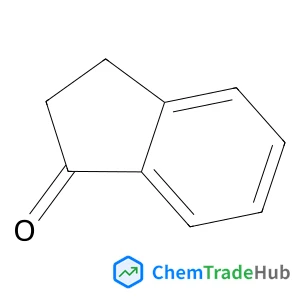
1-Indanone
CAS Number: 83-33-0
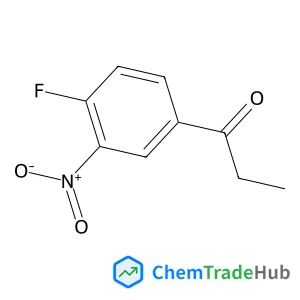
1-(4-Fluoro-3-nitrophenyl)propan-1-one
CAS Number: 777-48-0
2-bromo-4-ethylpropiophenone
CAS Number: 92822-00-9
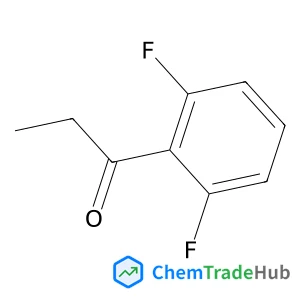
1-(2,6-Difluorophenyl)-1-propanone
CAS Number: 85068-31-1
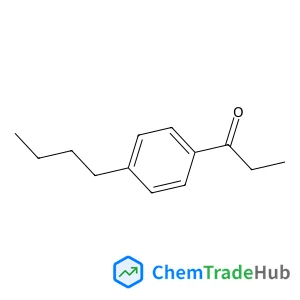
1-(4-Butylphenyl)-1-propanone
CAS Number: 79219-21-9
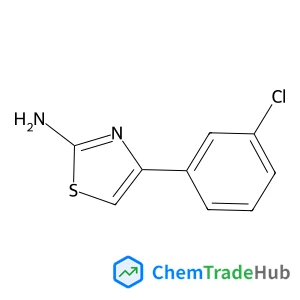
4-(3-Chlorophenyl)-1,3-thiazol-2-amine
CAS Number: 90533-23-6
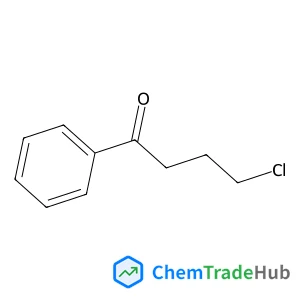
4-Chlorobutyrophenone
CAS Number: 939-52-6
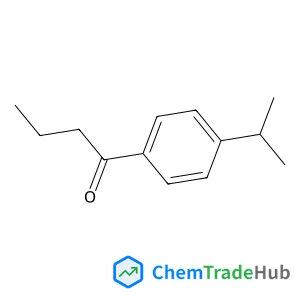
1-(4-Isopropylphenyl)butan-1-one
CAS Number: 78575-06-1
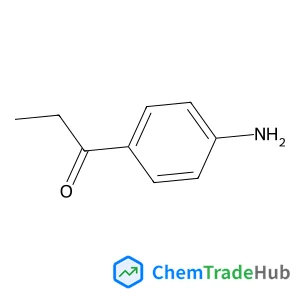
1-(4-Aminophenyl)-1-propanone
CAS Number: 70-69-9
Other Suppliers for (4-Aminophenyl)boronic acid


Basic Information
Molecular Formula
C6H8BNO2
Molecular Weight
136.95 g/mol
Physical Properties
Melting Point
62-66
Density
1.23
Chemical Identifiers
SMILES
Nc1ccc(cc1)B(O)O
InChIKey
MKPDAJWEBQRQCO-UHFFFAOYSA-N
Database References
MDL Number
MFCD01074656
FAQ
(4-Aminophenyl)boronic acid is an organic compound with the molecular formula C8H11BN2O2. It is a colorless crystalline solid with a molecular weight of approximately 183.16 g/mol. This compound is characterized by its aromatic structure, featuring a phenyl ring attached to a boronic acid moiety and an amino group, making it a versatile reagent in organic synthesis.
(4-Aminophenyl)boronic acid is widely used in pharmaceuticals and chemical synthesis, particularly in organic reactions such as Suzuki coupling and Heck coupling. It also finds applications in analytical chemistry for the derivatization of amino acids and in the development of new materials in the field of nanotechnology.
(4-Aminophenyl)boronic acid is generally considered safe for laboratory use when handled with appropriate caution. However, it is important to follow safety guidelines, including using gloves and goggles to protect against skin and eye contact. Additionally, this compound may irritate the skin and eyes, so avoid inhalation and ingestion. Proper ventilation during handling is recommended.
(4-Aminophenyl)boronic acid should be stored in a cool, dry place away from direct sunlight and sources of heat. It should be kept in a sealed container to protect it from moisture and contamination. Refrigeration is not necessary but can be used to maintain stability. Proper storage conditions help ensure the compound remains stable and effective for its intended use in organic synthesis and other applications.
Safety Notice
Please verify product specifications and safety data before use. Contact the supplier for detailed safety information.
Always follow proper handling procedures
Contact Information
yangbin@keylab-sh.com
Telephone
0519-83317517
Fax
0086-519-3318678
Visit Website
http://www.keyanlab.com