



AD
Benzanilide(CAS: 93-98-1)
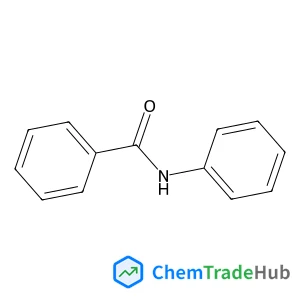
CAS Number
Related Products
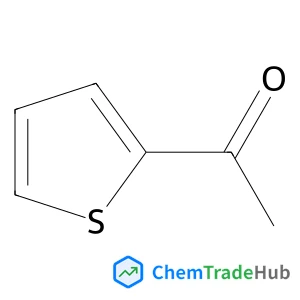
1-(2-Thienyl)ethanone
CAS Number: 88-15-3
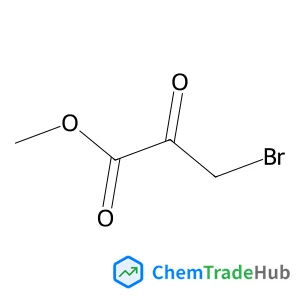
Methyl 3-bromo-2-oxopropanoate
CAS Number: 7425-63-0
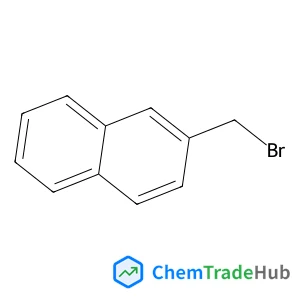
2-(Bromomethyl)naphthalene
CAS Number: 939-26-4
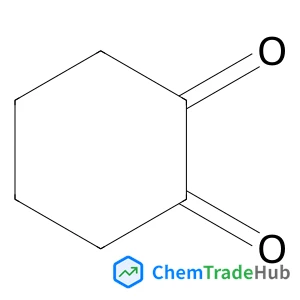
1,2-Cyclohexanedione
CAS Number: 765-87-7
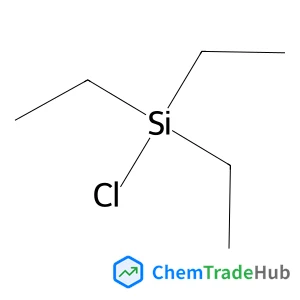
Chloro(triethyl)silane
CAS Number: 994-30-9
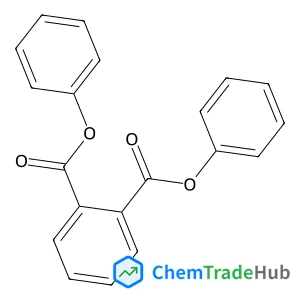
Diphenyl Phthalate
CAS Number: 84-62-8
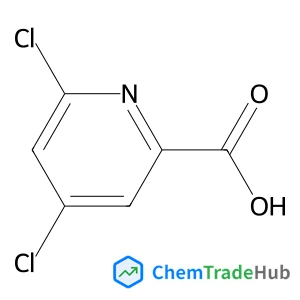
4,6-Dichloropicolinic acid
CAS Number: 88912-25-8
Other Suppliers for Benzanilide





Basic Information
Molecular Formula
C13H11NO
Molecular Weight
197.24 g/mol
Physical State
Powder
Physical Properties
Melting Point
163.0 to 167.0 deg-C
Boiling Point
117 °C/10 mmHg(lit.)
Density
1,315 g/cm3
Flash Point
117°C/10mm
Chemical Identifiers
SMILES
C1=CC=C(C=C1)C(=O)NC2=CC=CC=C2
InChIKey
ZVSKZLHKADLHSD-UHFFFAOYSA-N
Database References
MDL Number
MFCD00003069
Beilstein Registry Number
1102980
FAQ
Benzanilide (CAS: 93-98-1) falls under the scope of the GHS (Global Harmonized System of Classification and Labeling of Chemicals) and is classified as a skin and eye irritant. It is also regulated under REACH in the European Union, which requires registration for substances above 1 tonne per year. In the United States, the FDA and EPA may also have specific labeling and handling requirements for this compound.
There are several alternatives to benzanilide (CAS: 93-98-1) in synthesis, such as other aromatic amines like p-toluidine or aniline. These can offer similar functional groups but may have different reactivity and solubility properties. Additionally, researchers often explore the use of more environmentally friendly reagents like primary alcohols or carboxylic acids as alternatives.
The market for benzanilide (CAS: 93-98-1) has seen steady growth due to its use in the production of pharmaceuticals, dyes, and agrochemicals. Research trends are focusing on its potential applications in developing new drugs and in sustainable chemical synthesis. However, there is also increasing interest in exploring its environmental impact and finding more sustainable alternatives.
Waste containing benzanilide (CAS: 93-98-1) should be collected in appropriate containers, labeled with the correct hazardous waste symbol, and stored in a cool, well-ventilated area away from sources of ignition. Incineration is a common method for disposal, but it must be done in a properly certified facility. Alternatively, professional waste disposal services can handle the waste safely, ensuring compliance with environmental and safety regulations.
Safety Notice
Please verify product specifications and safety data before use. Contact the supplier for detailed safety information.
Always follow proper handling procedures
Contact Information
kmgchemical@126.com