



AD
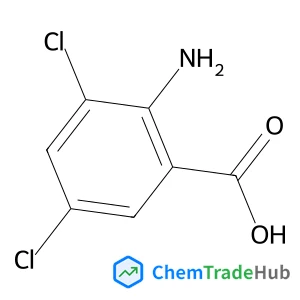
2-Amino-3,5-dichlorobenzoic acid(CAS: 2789-92-6)
CAS Number
Related Products
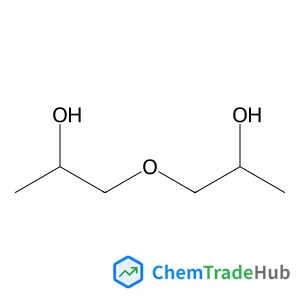
1,1'-Oxydi(2-propanol)
CAS Number: 110-98-5
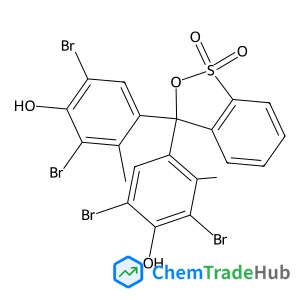
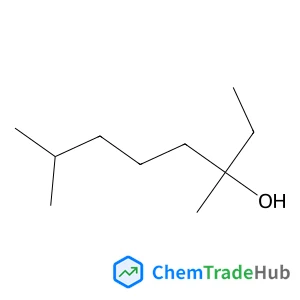
Aprepitant Impurity 19
CAS Number: 78-69-3
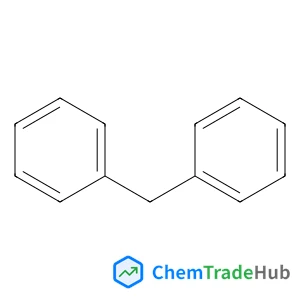
1,1'-Methylenedibenzene
CAS Number: 101-81-5
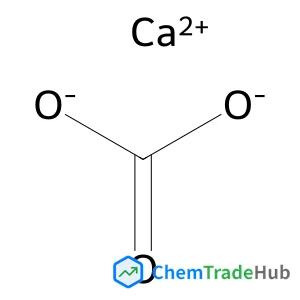
Calcium carbonate, powder
CAS Number: 471-34-1
![Dimethyl [(2,4-dimethoxybenzyl)amino]malonate](https://static.chemtradehub.com/structs/439/439089-66-4-d015.webp)
![5H-Dibenzo[b,f]azepine-5-carboxamide](https://static.chemtradehub.com/structs/298/298-46-4-91b9.webp)
5H-Dibenzo[b,f]azepine-5-carboxamide
CAS Number: 298-46-4
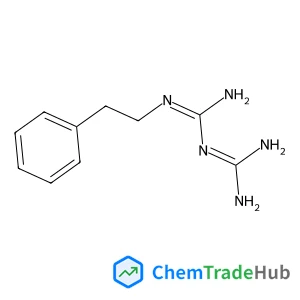
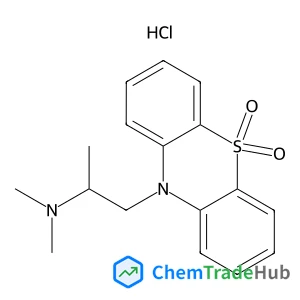
Dioxopromethazine Hydrochloride
CAS Number: 15374-15-9
Other Suppliers for 2-Amino-3,5-dichlorobenzoic acid




Basic Information
Molecular Formula
C7H5Cl2NO2
Molecular Weight
206.03 g/mol
Physical Properties
Melting Point
227-230 °C (lit.)
Boiling Point
344.4 °C at 760 mmHg
Flash Point
162.1 °C
Chemical Identifiers
SMILES
C1=C(C=C(C(=C1C(=O)O)N)Cl)Cl
InChIKey
KTHTXLUIEAIGCD-UHFFFAOYSA-N
Database References
MDL Number
MFCD00017088
Beilstein Registry Number
0779100
FAQ
2-Amino-3,5-dichlorobenzoic acid (CAS: 2789-92-6) falls under several regulatory guidelines. It is classified as a hazardous chemical under the Globally Harmonized System of Classification and Labeling of Chemicals (GHS). For European manufacturers and importers, it must comply with REACH regulations. Additionally, the FDA and EPA regulate its use in the United States, particularly in relation to its environmental and health impacts.
There are several alternatives to 2-Amino-3,5-dichlorobenzoic acid (CAS: 2789-92-6) in synthesis, including 2-Amino-4-chlorobenzoic acid and 2-Amino-3-chlorobenzoic acid. These compounds can serve similar roles in certain chemical reactions. Other substitutes might include alternative amino acid derivatives or benzoic acid derivatives depending on the specific application.
The market for 2-Amino-3,5-dichlorobenzoic acid (CAS: 2789-92-6) is primarily driven by its use in the pharmaceutical and agrochemical industries. Research trends are focusing on developing more efficient synthesis methods and exploring its potential in new applications. Recent studies have also highlighted its role in drug discovery and as a building block in medicinal chemistry.
Waste containing 2-Amino-3,5-dichlorobenzoic acid (CAS: 2789-92-6) should be collected in appropriate containers and stored in a secure, well-ventilated area. Incineration is a common disposal method, but professional waste disposal services are recommended to ensure compliance with local regulations. Environmental protection measures include proper labeling and handling to prevent contamination of soil and water sources.
Safety Notice
Please verify product specifications and safety data before use. Contact the supplier for detailed safety information.
Always follow proper handling procedures
Contact Information
18627903973@163.com