



AD
Sodium metaphosphate(CAS: 10361-03-2)
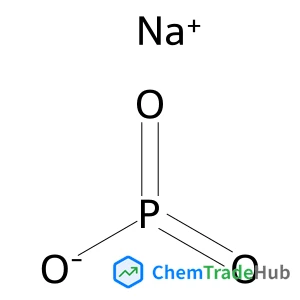
CAS Number
Related Products
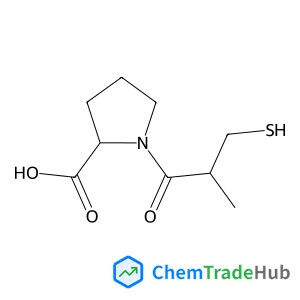
Captopril
CAS Number: 62571-86-2

4-(4-Hydroxy-3-methoxyphenyl)-2-butanone
CAS Number: 122-48-5
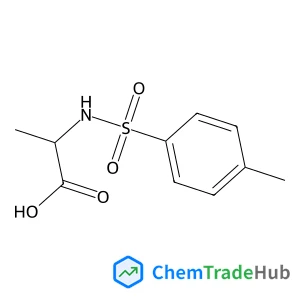
N-Tosyl-L-alanine
CAS Number: 21957-58-4

Alanyl-L-tyrosine
CAS Number: 3061-88-9

Octane-1,2,8-triol
CAS Number: 382631-43-8

2,4-Dibromo-6-chloroaniline
CAS Number: 874-18-0
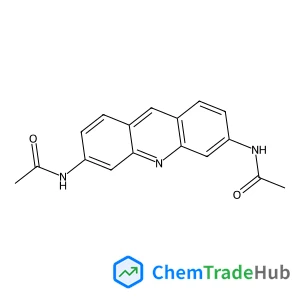
N,N'-3,6-Acridinediyldiacetamide
CAS Number: 15724-70-6
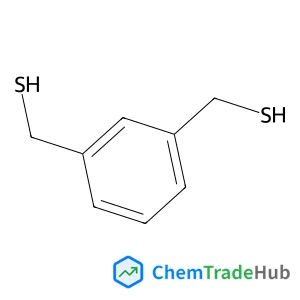
1,3-Phenylenedimethanethiol
CAS Number: 41563-69-3

Other Suppliers for Sodium metaphosphate






Basic Information
Molecular Formula
NaO3P
Molecular Weight
101.96 g/mol
Physical Properties
Melting Point
600 °C
Chemical Identifiers
SMILES
[O-]P(=O)=O.[Na+]
InChIKey
AQMNWCRSESPIJM-UHFFFAOYSA-M
Database References
MDL Number
MFCD00011490
FAQ
Sodium metaphosphate (CAS: 10361-03-2) falls under the scope of various regulatory guidelines. In the United States, it is regulated by the Environmental Protection Agency (EPA) and the Food and Drug Administration (FDA). Globally, it adheres to the regulations outlined in the Globally Harmonized System of Classification and Labeling of Chemicals (GHS). Additionally, it must comply with the Registration, Evaluation, Authorization, and Restriction of Chemicals (REACH) regulations in the European Union.
There are alternatives to sodium metaphosphate (CAS: 10361-03-2) in synthesis, including aluminum metaphosphate and potassium metaphosphate. These alternatives are often chosen based on specific application requirements such as pH value, solubility, and cost. Other substitutes include phosphoric acid and sodium monophosphate, depending on the exact use case in the synthesis process.
The market for sodium metaphosphate (CAS: 10361-03-2) is growing due to its expanding use in detergents, pharmaceuticals, and fertilizers. Research trends are focusing on its potential in environmental applications, such as water treatment, and in new formulations for food and personal care products. Market analysts predict steady growth, driven by increased demand from developing countries and innovation in industrial applications.
Waste containing sodium metaphosphate (CAS: 10361-03-2) should be handled with care to minimize environmental impact. Collection should be done according to local regulations, ensuring that the waste is labeled appropriately. For disposal, it can often be incinerated or treated in a professional waste disposal facility. Environmental precautions include avoiding leaching into groundwater and ensuring that any wastewater is treated before discharge. Compliance with local environmental regulations is crucial.
Safety Notice
Please verify product specifications and safety data before use. Contact the supplier for detailed safety information.
Always follow proper handling procedures
Contact Information
Contact Person
Zhang Zeyuan
Sales-CN@TCIchemicals.com