



AD
2-Isocyano-2-methylpropane(CAS: 7188-38-7)
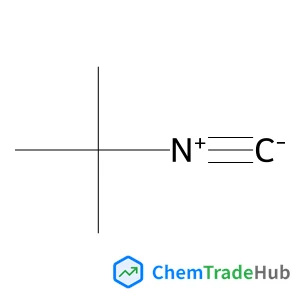
CAS Number
Related Products
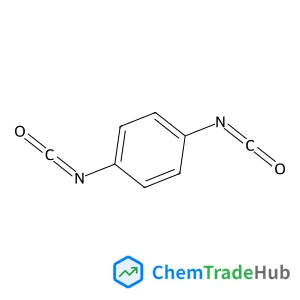
1,4-Diisocyanatobenzene
CAS Number: 104-49-4
![N-[(4-Chlorophenyl)carbamoyl]-2,6-difluorobenzamide](https://static.chemtradehub.com/structs/353/35367-38-5-055c.webp)
1-Chloro-4-isocyanatobenzene
CAS Number: 104-12-1
1-Isocyanatonaphthalene
CAS Number: 86-84-0
Other Suppliers for 2-Isocyano-2-methylpropane




Basic Information
Molecular Formula
C5H9N
Molecular Weight
83.13 g/mol
Physical Properties
Boiling Point
92°C
Density
0.735 g/mL at 25 °C(lit.)
Chemical Identifiers
SMILES
CC(C)(C)[N+]#[C-]
InChIKey
FAGLEPBREOXSAC-UHFFFAOYSA-N
Database References
MDL Number
MFCD00000002
Beilstein Registry Number
1903156
FAQ
2-Isocyano-2-methylpropane (CAS: 7188-38-7) falls under the classification of flammable liquids and requires adherence to the Globally Harmonized System of Classification and Labeling of Chemicals (GHS). In the European Union, it is regulated under the REACH (Registration, Evaluation, Authorization, and Restriction of Chemicals) framework. Additionally, it must comply with the EPA’s Hazard Communication Standard and the FDA’s Good Manufacturing Practices for chemical substances.
Several alternatives can be used in place of 2-Isocyano-2-methylpropane (CAS: 7188-38-7) depending on the specific reaction conditions. Common substitutes include 2-isocyanatoacetamide and 2-isocyanato-2-methylpropane isomers. These alternatives can provide similar functionalities while offering varying properties and reactivity in synthesis.
The market for 2-Isocyano-2-methylpropane (CAS: 7188-38-7) is primarily driven by its applications in the production of polyurethane foams and as a monomer in certain polymer synthesis. Research trends focus on exploring its use in more sustainable and innovative applications, such as in the development of advanced materials and coatings. Market demand is expected to grow due to increasing demand for high-performance materials and environmental regulations.
Waste containing 2-Isocyano-2-methylpropane (CAS: 7188-38-7) should be managed according to hazardous waste disposal regulations. Proper collection methods include using appropriate containers and avoiding mixing with other waste streams. For disposal, incineration is a common method, but professional waste disposal services should be utilized to ensure compliance with environmental protection standards. It is also important to follow local guidelines and ensure that disposal does not cause environmental contamination.
Safety Notice
Please verify product specifications and safety data before use. Contact the supplier for detailed safety information.
Always follow proper handling procedures
Contact Information
Contact Person
Liang Jinbao