



AD
2-Bromo-6-(bromomethyl)pyridine(CAS: 83004-10-8)
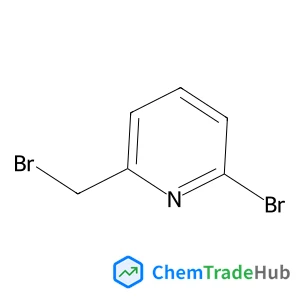
CAS Number
Related Products
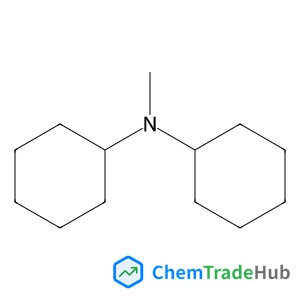
N-Cyclohexyl-N-methylcyclohexanamine
CAS Number: 7560-83-0
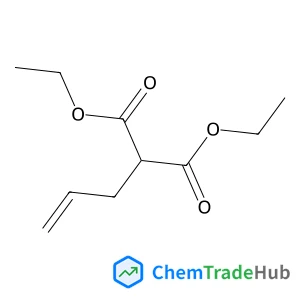
Diethyl allylmalonate
CAS Number: 2049-80-1
![(2E)-[(aminocarbonyl)hydrazono]acetic acid](https://static.chemtradehub.com/structs/928/928-73-4-3b9b.webp)

N-Methyl-N-octyl-1-octanamine
CAS Number: 4455-26-9

1,1,1,3,3,3-Hexafluoro-2-propanol
CAS Number: 920-66-1
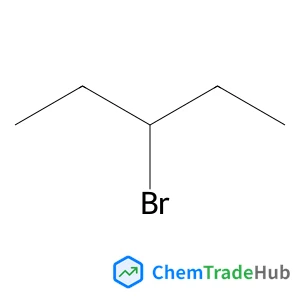
3-Bromopentane
CAS Number: 1809-10-5
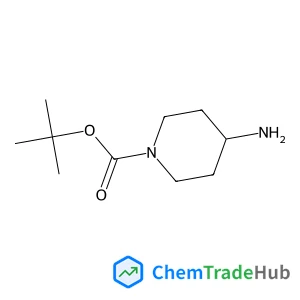
![[6-(Methylamino)-3-pyridinyl]boronic acid](https://static.chemtradehub.com/structs/774/774170-15-9-2deb.webp)
Other Suppliers for 2-Bromo-6-(bromomethyl)pyridine



Basic Information
Molecular Formula
C6H5Br2N
Molecular Weight
250.92 g/mol
Physical Properties
Melting Point
82-85°C
Boiling Point
275 ºC
Density
1.955
Flash Point
120 ºC
Chemical Identifiers
SMILES
BrCc1cccc(Br)n1
InChIKey
LSRDTCMNGSMEEI-UHFFFAOYSA-N
Database References
MDL Number
MFCD07368202
FAQ
2-Bromo-6-(bromomethyl)pyridine is a crystalline solid with a molecular weight of approximately 235.04 g/mol. It has a low solubility in water but is more soluble in organic solvents like dichloromethane and acetonitrile. The compound shows moderate reactivity, particularly towards nucleophiles and reducing agents. It is often used in organic synthesis and reacts via electrophilic aromatic substitution and nucleophilic substitution mechanisms.
2-Bromo-6-(bromomethyl)pyridine is typically synthesized via a reduction of 2-chloro-6-(chloromethyl)pyridine followed by bromination. This process often uses a palladium catalyst in the presence of a basic solvent. The reaction is conducted under mild conditions to ensure high selectivity and yield. Commonly, sodium borohydride is used for the initial reduction step, followed by Br2 in the presence of a base like NaHCO3 or NaOH.
2-Bromo-6-(bromomethyl)pyridine is primarily used in the pharmaceutical industry for the synthesis of intermediates. It also finds applications in the polymer industry for the development of functional materials. Additionally, it is used in the production of sensors and semiconductors as a precursor in various organic synthesis reactions.
Proper handling of 2-Bromo-6-(bromomethyl)pyridine requires the use of personal protective equipment (PPE) including gloves, goggles, and a lab coat. Work should be conducted in a well-ventilated hood to minimize exposure to vapors. Spills should be cleaned up with appropriate absorbent materials and handled according to a safety data sheet (SDS). Ingestion, inhalation, or contact with the eyes should be avoided. Emergency showers and eyewash stations should be readily accessible.
Safety Notice
Please verify product specifications and safety data before use. Contact the supplier for detailed safety information.
Always follow proper handling procedures
Contact Information
Contact Person
Manager Zhu
3442077130@qq.com