



AD
6-Bromonicotinaldehyde(CAS: 149806-06-4)
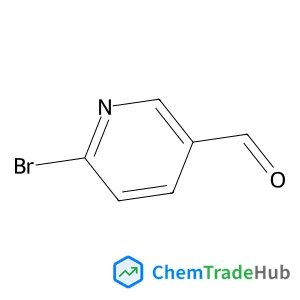
CAS Number
Related Products
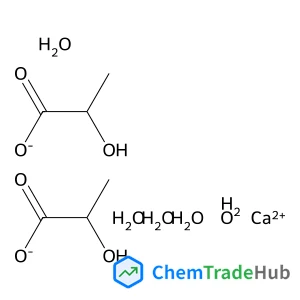
Calcium Lactate Pentahydrate
CAS Number: 5743-47-5
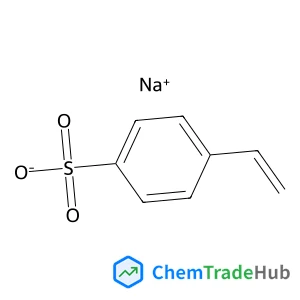
Sodium 4-vinylbenzenesulfonate
CAS Number: 2695-37-6
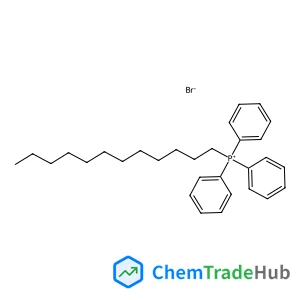
Dodecyl(triphenyl)phosphonium bromide
CAS Number: 15510-55-1
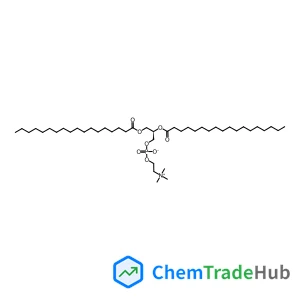
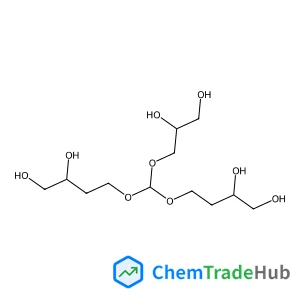
Poly(Propylene Glycol)
CAS Number: 25791-96-2
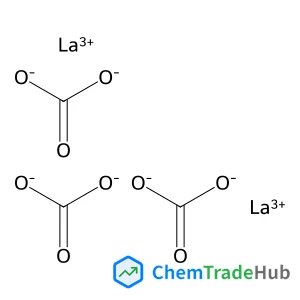
LANTHANUM CARBONATE
CAS Number: 587-26-8

Copper(1+) chloride
CAS Number: 1344-67-8
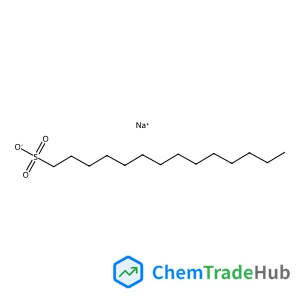
Sodium 1-tetradecanesulfonate
CAS Number: 6994-45-2
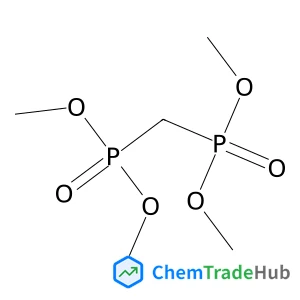
Tetramethyl methylenebis(phosphonate)
CAS Number: 16001-93-7
Other Suppliers for 6-Bromonicotinaldehyde


Basic Information
Molecular Formula
C6H4BrNO
Molecular Weight
186.01 g/mol
Physical State
Pale-yellow to Yellow-brown Solid
Physical Properties
Melting Point
104-110 °C (lit.)
Boiling Point
284.1°C at 760 mmHg
Flash Point
125.6℃
Chemical Identifiers
SMILES
C1=CC(=NC=C1C=O)Br
InChIKey
PVUKGNBRJFTFNJ-UHFFFAOYSA-N
Database References
MDL Number
MFCD04115419
Beilstein Registry Number
6642856
FAQ
6-Bromonicotinaldehyde is a brominated derivative of nicotinaldehyde, with the chemical formula C7H5BrO2. It is a colorless liquid with a characteristic odor, known for its reactivity and potential applications in organic synthesis. This compound is commonly used as an intermediate in the production of pharmaceuticals and other chemical compounds.
6-Bromonicotinaldehyde is primarily used in pharmaceutical research for the synthesis of various bioactive compounds. It serves as a valuable intermediate in the development of drugs and is also applied in the chemical industry for the production of dyes, pesticides, and other functional materials. Its versatility makes it relevant in both research and industrial settings.
6-Bromonicotinaldehyde should be handled with care due to its potential toxicity. It is recommended to use appropriate personal protective equipment (PPE) such as gloves, goggles, and a lab coat. Safety data sheets (SDS) should be consulted for detailed handling and exposure guidelines. Proper ventilation and adherence to safety standards are essential when working with this compound.
6-Bromonicotinaldehyde should be stored in a cool, dry, and well-ventilated area, away from light. It is best kept in a sealed container at a temperature below 25°C to maintain stability. Avoid exposure to moisture and air to prevent degradation. Storage conditions should comply with chemical safety regulations to ensure long-term integrity.
Safety Notice
Please verify product specifications and safety data before use. Contact the supplier for detailed safety information.
Always follow proper handling procedures
Contact Information
Contact Person
Manager Shi
1373640151@qq.com