



AD
3,4,6-Trichloropyridazine(CAS: 6082-66-2)
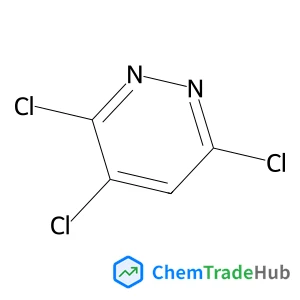
CAS Number
Related Products

Calcium Lactate Pentahydrate
CAS Number: 5743-47-5
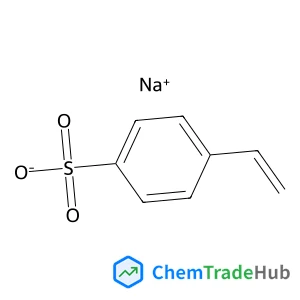
Sodium 4-vinylbenzenesulfonate
CAS Number: 2695-37-6
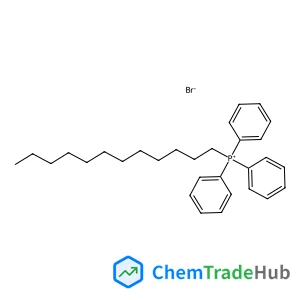
Dodecyl(triphenyl)phosphonium bromide
CAS Number: 15510-55-1


Poly(Propylene Glycol)
CAS Number: 25791-96-2
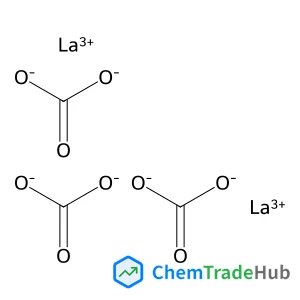
LANTHANUM CARBONATE
CAS Number: 587-26-8

Copper(1+) chloride
CAS Number: 1344-67-8

Sodium 1-tetradecanesulfonate
CAS Number: 6994-45-2
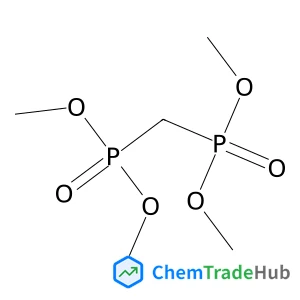
Tetramethyl methylenebis(phosphonate)
CAS Number: 16001-93-7
Other Suppliers for 3,4,6-Trichloropyridazine





Basic Information
Molecular Formula
C4HCl3N2
Molecular Weight
183.43 g/mol
Physical Properties
Melting Point
55.0 to 59.0 deg-C
Boiling Point
98°C/43mmHg(lit.)
Flash Point
173.9℃
Chemical Identifiers
SMILES
C1=C(C(=NN=C1Cl)Cl)Cl
InChIKey
LJDQXQOPXOLCHL-UHFFFAOYSA-N
Database References
MDL Number
MFCD00834957
FAQ
3,4,6-Trichloropyridazine (CAS: 6082-66-2) is subject to various regulatory guidelines. It falls under the Globally Harmonized System (GHS) of Classification and Labelling of Chemicals, with specific hazard classifications for health and environmental risks. In the European Union, it is regulated under REACH (Registration, Evaluation, Authorisation and Restriction of Chemicals) for its safe handling, use, and disposal. Additionally, FDA and EPA guidelines apply in the United States for its pharmaceutical and environmental safety considerations.
Alternatives to 3,4,6-Trichloropyridazine (CAS: 6082-66-2) in synthesis include other chloropyridazines with different substituents, such as 3,4-Dichloropyridazine or 4-Chloro-3-methylpyridazine. These compounds can serve similar functional roles in certain synthetic pathways. Moreover, researchers often explore the use of alternative reagents like chloramines or chlorosulfonyl isocyanate (CSI) as safer substitutes.
The market for 3,4,6-Trichloropyridazine (CAS: 6082-66-2) is driven by its use in pharmaceuticals, specifically in the development of antiviral and antifungal agents. Research trends are focused on optimizing its synthesis and developing more efficient drug formulations. Market dynamics show a steady demand, with price trends reflecting the specialized nature of its applications. Emerging research fields include its role in cancer therapy and as a potential pesticide.
Waste containing 3,4,6-Trichloropyridazine (CAS: 6082-66-2) should be collected and stored in compatible containers with appropriate labeling. For disposal, incineration is a common method due to its hazardous nature. Professional waste disposal services should be utilized to ensure compliance with environmental protection regulations. Additionally, environmental precautions include neutralizing any acidic or basic waste before disposal to prevent environmental contamination.
Safety Notice
Please verify product specifications and safety data before use. Contact the supplier for detailed safety information.
Always follow proper handling procedures
Contact Information
Contact Person
Manager Shi
1373640151@qq.com