



AD
Octadecanedioic acid(CAS: 871-70-5)
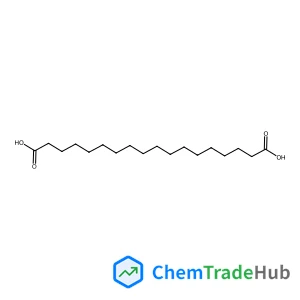
CAS Number
Related Products
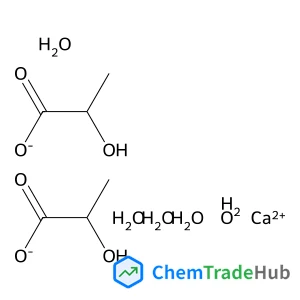
Calcium Lactate Pentahydrate
CAS Number: 5743-47-5
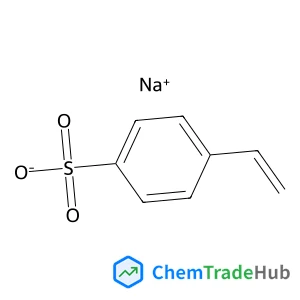
Sodium 4-vinylbenzenesulfonate
CAS Number: 2695-37-6
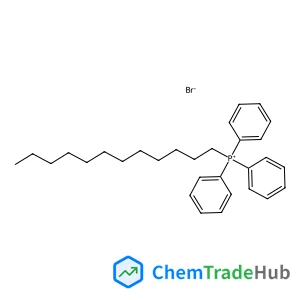
Dodecyl(triphenyl)phosphonium bromide
CAS Number: 15510-55-1
Poly(Propylene Glycol)
CAS Number: 25791-96-2
LANTHANUM CARBONATE
CAS Number: 587-26-8
Copper(1+) chloride
CAS Number: 1344-67-8
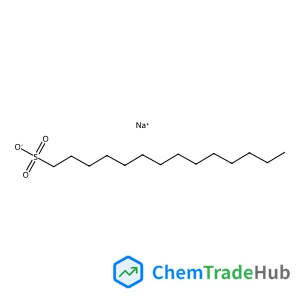
Sodium 1-tetradecanesulfonate
CAS Number: 6994-45-2
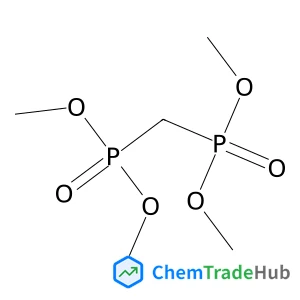
Tetramethyl methylenebis(phosphonate)
CAS Number: 16001-93-7
Other Suppliers for Octadecanedioic acid


Basic Information
Molecular Formula
C18H34O4
Molecular Weight
314.47 g/mol
Physical Properties
Melting Point
124.0 to 127.0 deg-C
Boiling Point
480.9°C at 760 mmHg
Density
0.998 g/cm3
Flash Point
258.8ºC
Chemical Identifiers
SMILES
C(CCCCCCCCC(=O)O)CCCCCCCC(=O)O
InChIKey
BNJOQKFENDDGSC-UHFFFAOYSA-N
Database References
MDL Number
MFCD00142369
FAQ
Octadecanedioic acid, also known as stearic acid, is a saturated fatty acid with the chemical formula C18H36O2. It is a white, waxy solid at room temperature and is commonly used as a lubricant, emulsifier, and thickener in various industries. With a high melting point, it is stable under normal conditions and has a long history of application in cosmetics, food, and pharmaceuticals.
Octadecanedioic acid is widely used in the food industry as a stabilizer and emulsifier, in pharmaceuticals for drug formulation, and in cosmetics as a preservative and texture enhancer. It also serves as a raw material in the production of soaps, plastics, and coatings. Additionally, it is utilized in research for studying lipid metabolism and as a model compound for organic chemistry applications.
Octadecanedioic acid is generally considered safe when handled properly. It is non-toxic in normal use but should be treated with care to avoid skin contact and inhalation. In industrial settings, appropriate safety measures such as gloves and ventilation are recommended. It complies with food-grade safety standards when used within regulated limits.
Octadecanedioic acid should be stored in a cool, dry, and well-ventilated area away from direct light. It is best kept in a sealed, airtight container to prevent moisture absorption. Due to its stability, it does not degrade easily, but proper storage ensures long shelf life and maintains its chemical integrity.
Safety Notice
Please verify product specifications and safety data before use. Contact the supplier for detailed safety information.
Always follow proper handling procedures
Contact Information
Contact Person
Manager Shi
1373640151@qq.com