



AD
N,N-Dimethyl-1-naphthalenamine(CAS: 86-56-6)
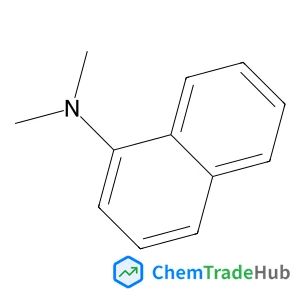
CAS Number
Related Products
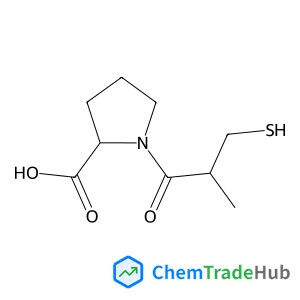
Captopril
CAS Number: 62571-86-2
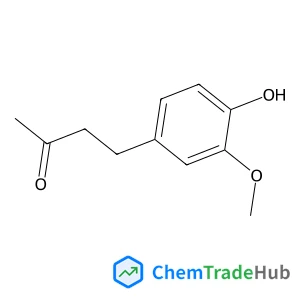
4-(4-Hydroxy-3-methoxyphenyl)-2-butanone
CAS Number: 122-48-5
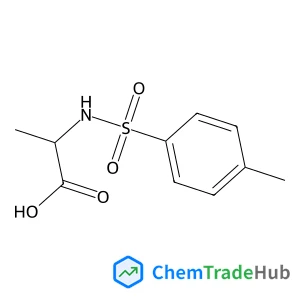
N-Tosyl-L-alanine
CAS Number: 21957-58-4
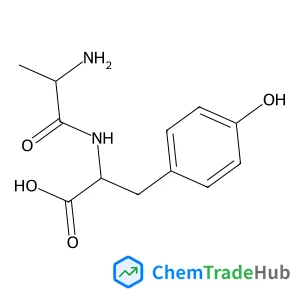
Alanyl-L-tyrosine
CAS Number: 3061-88-9
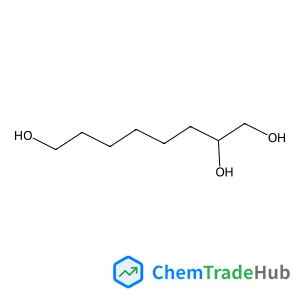
Octane-1,2,8-triol
CAS Number: 382631-43-8
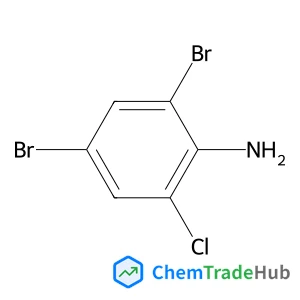
2,4-Dibromo-6-chloroaniline
CAS Number: 874-18-0
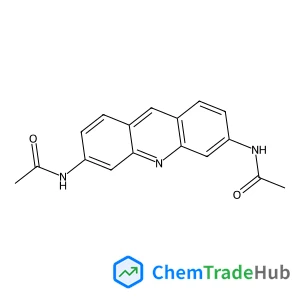
N,N'-3,6-Acridinediyldiacetamide
CAS Number: 15724-70-6
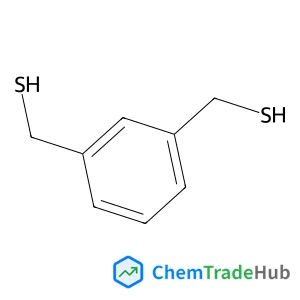
1,3-Phenylenedimethanethiol
CAS Number: 41563-69-3
Other Suppliers for N,N-Dimethyl-1-naphthalenamine




Basic Information
Molecular Formula
C12H13N
Molecular Weight
171.24 g/mol
Physical Properties
Boiling Point
274°C(lit.)
Density
1.042 g/mL at 25 °C(lit.)
Chemical Identifiers
SMILES
CN(C)C1=CC=CC2=CC=CC=C21
InChIKey
AJUXDFHPVZQOGF-UHFFFAOYSA-N
Database References
MDL Number
MFCD00003919
Beilstein Registry Number
1424075
FAQ
N,N-Dimethyl-1-naphthalenamine (CAS: 86-56-6) is regulated under GHS (Globally Harmonized System of Classification and Labeling of Chemicals) for health and environmental hazards. In the EU, it falls under REACH regulations, which require suppliers to register substances based on their tonnage. FDA and EPA may have specific requirements for handling and disposal, particularly in the context of pharmaceuticals and industrial applications.
Several alternatives can be used in synthesis, including related naphthylamine derivatives and other aromatic amines. Isomers and analogs such as N,N-dimethylaminonaphthalene may be suitable substitutes. Common alternatives include 4-methyl-1-naphthol and other aromatic compounds with similar functional groups.
Research trends indicate growing interest in the application of N,N-Dimethyl-1-naphthalenamine in pharmaceuticals and organic synthesis. Market trends show steady demand, with increasing emphasis on sustainable and eco-friendly alternatives. Emerging areas of research focus on its use in drug discovery and as a precursor in chemical synthesis.
Waste containing N,N-Dimethyl-1-naphthalenamine should be collected in a sealed container and disposed of through professional waste disposal services. Proper incineration or chemical neutralization is recommended to minimize environmental impact. Environmental protection precautions include ensuring containment to prevent soil and water contamination. Follow local regulations for hazardous waste disposal.
Safety Notice
Please verify product specifications and safety data before use. Contact the supplier for detailed safety information.
Always follow proper handling procedures
Contact Information
Contact Person
Zhang Zeyuan
Sales-CN@TCIchemicals.com