



AD
Polydextrose(CAS: 68424-04-4)
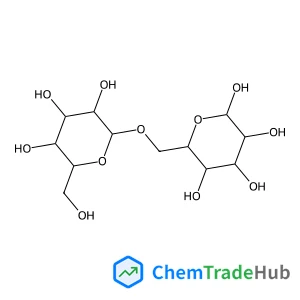
CAS Number
Related Products
National 70-0338
CAS Number: 9045-28-7
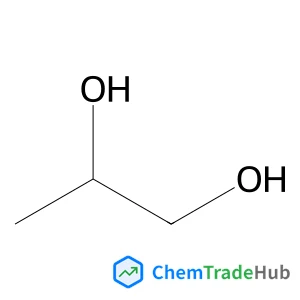
Propylene glycol
CAS Number: 57-55-6
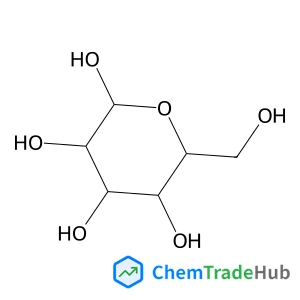
Disodium stannous citrate
CAS Number: 2588-96-4
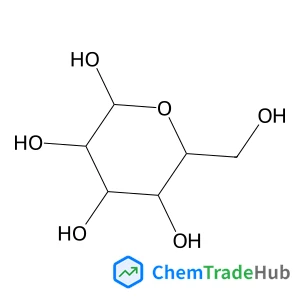
beta-D-GALACTOPYRANOSE
CAS Number: 9031-11-2

Iron(2+) di(2,4-cyclopentadienide)
CAS Number: 102-54-5
Other Suppliers for Polydextrose


Basic Information
Molecular Formula
C12H22O11
Molecular Weight
342.3 g/mol
Physical Properties
Melting Point
130-135°C
Boiling Point
774.5°C at 760 mmHg
Density
1.68
Flash Point
288.8°C
Chemical Identifiers
SMILES
C(C1C(C(C(C(O1)OCC2C(C(C(C(O2)O)O)O)O)O)O)O)O
InChIKey
DLRVVLDZNNYCBX-UHFFFAOYSA-N
Database References
MDL Number
MFCD00804499
FAQ
Polydextrose is a synthetic, water-soluble, non-digestible carbohydrate used as a bulk sweetener and fiber supplement. It is made from glucose, sorbitol, and citric acid through a controlled enzymatic reaction. With a chemical formula of C12H22O16, it has a low caloric content and is commonly used in food and pharmaceutical applications. Its properties include high viscosity, low hygroscopicity, and resistance to fermentation, making it suitable for various uses.
Polydextrose is widely used in the food industry as a low-calorie sweetener, thickener, and functional food ingredient. It is also employed in pharmaceuticals for controlled-release formulations and as a bulking agent. In industrial applications, it serves as a feedstock for producing other chemicals. Additionally, it is used in research for studying carbohydrate metabolism and as a stabilizer in various formulations.
Polydextrose is generally considered safe for consumption and is approved by regulatory agencies such as the FDA and EFSA. It has a low glycemic index and does not contribute to dental caries. However, as with any chemical, proper handling is advised, especially in industrial settings. Safety standards ensure its use in food and pharmaceutical products is well-controlled and minimizes potential risks.
Polydextrose should be stored in a cool, dry place away from moisture and direct sunlight. It is typically kept in airtight containers to maintain its stability and prevent degradation. The recommended storage temperature is between 15°C to 25°C, and humidity levels should be below 50% to ensure quality and longevity of the product.
Safety Notice
Please verify product specifications and safety data before use. Contact the supplier for detailed safety information.
Always follow proper handling procedures
Contact Information
hnrs66@126.com